Tofu: benefits, properties of this superfood and why more and more doctors recommend it for metabolic health
If you are working on lowering glucose, improving metabolic markers, or reducing inflammation, tofu can be a strategic ally.

Tofu has ceased to be an exclusive food of Asian cuisine or vegetarian diets. In recent years, it has transformed into one of the protagonists of healthy eating, recommended by nutritionists, cardiologists, and metabolism specialists for its nutritional profile and its potential impact on inflammation, glucose, and cardiovascular health.
The growing interest in tofu is not coincidental. In a context where obesity, type 2 diabetes, and cardiovascular diseases are on the rise, more and more professionals are promoting plant-based protein sources that help reduce risk factors without sacrificing nutritional intake.
But what exactly is tofu and what are its true benefits?
What is tofu and why is it considered a complete protein?
Tofu is made from soybeans. The process is similar to that of cheese: soy milk is coagulated and then pressed to obtain a block of varying firmness. There are firm, extra firm, and silken varieties, each with different culinary uses.
From a nutritional standpoint, one of its greatest attributes is that it provides complete protein. This means it contains all nine essential amino acids that the body needs and cannot produce on its own.
On average, 100 grams of tofu provide between 8 and 15 grams of protein, depending on its density. Additionally, it is low in saturated fats and contains no cholesterol.
This profile makes it an interesting alternative to red meat and processed proteins, especially for people looking to:
- Lose weight.
- Improve their lipid profile.
- Control glucose levels.
- Reduce chronic inflammation.
The impact of tofu on cardiovascular health
Cardiovascular disease continues to be one of the leading causes of death worldwide. In this context, diet plays a central role.
Various studies have associated the consumption of soy and natural derivatives, such as tofu, with a reduction in LDL cholesterol, known as "bad cholesterol." Additionally, the isoflavones present in soy have antioxidant properties that could help improve endothelial function, that is, the health of blood vessels.
Unlike many animal proteins, tofu:
- Contains no cholesterol.
- Is low in saturated fats.
- Provides beneficial unsaturated fats.
- Contains minerals such as calcium and magnesium.
This makes it a suitable option within heart-protective diets.
Tofu and glucose control
One of the aspects that generates the most interest is its impact on metabolic health. Tofu has a very low glycemic index, which means it does not cause sharp spikes in blood sugar.
Being rich in protein and relatively low in carbohydrates, it promotes satiety and can help prevent excessive consumption of refined foods. In people with insulin resistance or type 2 diabetes, it can be a useful tool within a supervised nutritional plan.
Moreover, replacing refined flours or ultra-processed meats with tofu can indirectly contribute to improving metabolic control.
The contribution of calcium, iron, and other minerals from tofu in the daily diet
Tofu prepared with calcium salts can be a significant source of this mineral, key for bone health. This is especially important for people who do not consume dairy or who are seeking plant-based alternatives.
It also provides iron, magnesium, and small amounts of zinc. In vegetarian or vegan diets, it can help meet essential nutritional requirements.
The debate about isoflavones and cancer
One of the most discussed topics regarding soy is its phytoestrogens, known as isoflavones. These compounds have a structure similar to human estrogen, but their action is much weaker and modulatory.
For years, myths circulated linking soy consumption with a higher risk of breast cancer. However, current scientific evidence indicates that moderate consumption of natural soy—such as tofu, tempeh, or edamame—is safe for the general population.
In some specific cases, such as hormone-dependent cancers, recommendations should be individualized and supervised by the medical team. Nevertheless, studies do not show that natural tofu, within a balanced diet, increases risk in healthy individuals.
It is important to differentiate between traditional soy-derived foods and concentrated isoflavone supplements, which are not equivalent.
The role of tofu in inflammation and the microbiota
Chronic low-grade inflammation is considered a common factor in multiple modern diseases. In this scenario, anti-inflammatory dietary patterns gain prominence.
Tofu, being a minimally processed food rich in antioxidant compounds, can be part of a nutritional strategy aimed at reducing inflammation.
If combined with vegetables, spices like turmeric or ginger, and fermented foods, it can be integrated into a dietary pattern favorable for the gut microbiota, an ecosystem that plays a key role in immunity and metabolism.
How to incorporate tofu into daily eating
Far from being an ingredient exclusive to complex recipes, tofu is versatile and easy to prepare. Some common ways to consume it include:
- Stir-fried with vegetables and olive oil.
- Grilled with spices.
- In cubes within salads.
- As a replacement for ground meat in fillings.
- In sweet preparations with silken tofu.
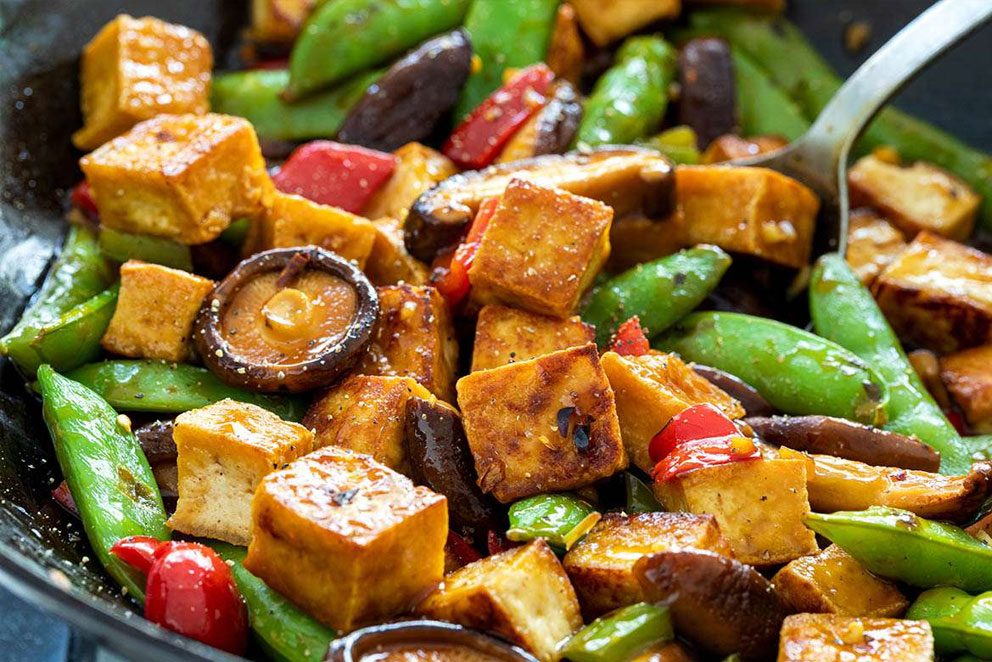
Its neutral flavor allows it to absorb seasonings and marinades, making it easy to adapt to different culinary styles.
Precautions and recommendations
While it is a safe food for most people, there are some considerations:
- People with soy allergies should avoid it.
- Those taking medication for hypothyroidism should consume it separately from their medication.
- It is always advisable to prioritize organic or high-quality tofu to avoid genetically modified soy if that option is desired.
A trend that is here to stay
The growing interest in tofu is not just a fad. It is linked to a paradigm shift in eating, where plant protein is gaining ground due to its metabolic and cardiovascular benefits.
In a world where non-communicable chronic diseases continue to rise, incorporating simple, accessible foods with scientific backing can make a difference.
Tofu, with its balanced nutritional profile and versatility, is solidifying itself as one of those options.