If your last name is on this list, your lineage could be 100% Spanish (and you didn't know it)
If you have any of these last names, it means that your lineage is 100% Spanish: a genetic and historical clue about your origins that dates back centuries.
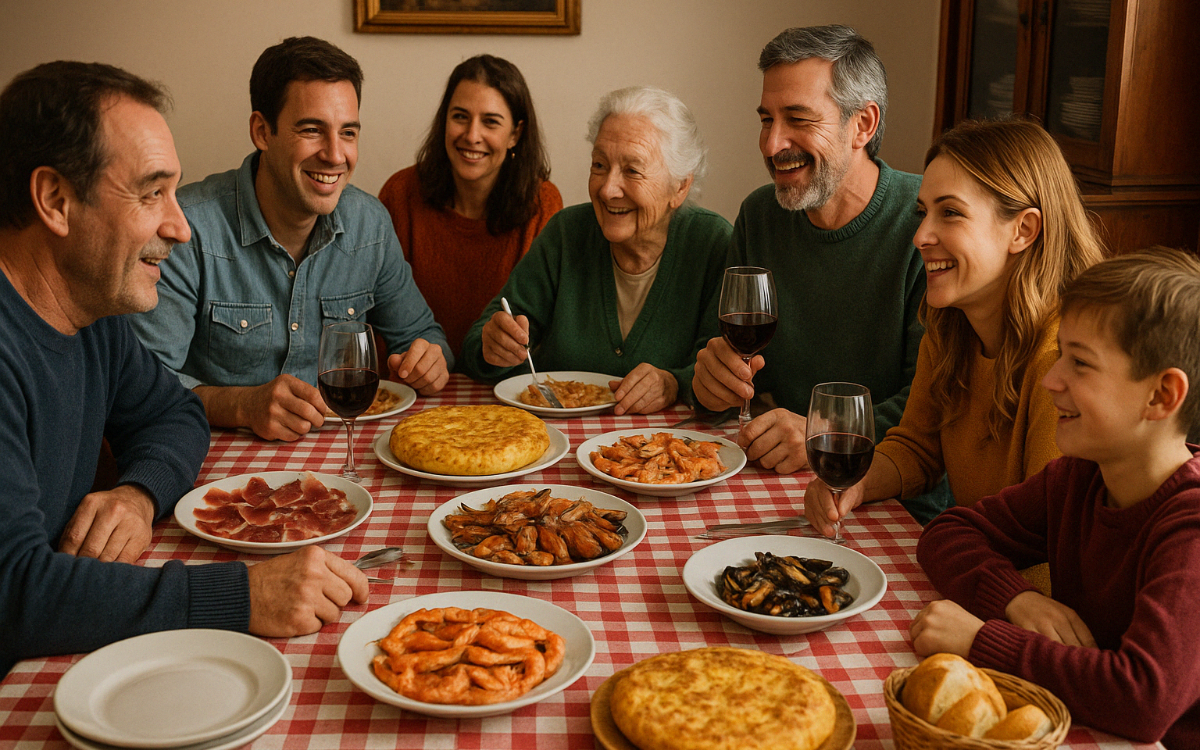
If you have any of these surnames, it means your lineage is 100% Spanish: the deep roots behind your name
The most common surnames in Spain are not mere family labels: many of them enclose a direct connection to the deep history of the Iberian Peninsula. In a territory marked by conquests, migrations, and cultural mixes, the surname can serve as a compass to the past.
If you have any of these surnames, it means your lineage is 100% Spanish or, at least, that your name has accompanied generations closely linked to the cultural origins of Spain.
The nine surnames with 100% Spanish heritage (or almost)
Although establishing a completely pure lineage is complicated, there are certain surnames that stand out for having endured over the centuries with a strong Hispanic root. Some of them even trace their origin back to the times of the Visigoths, when the cultural identity we now recognize as Spanish began to form.
These are some of the surnames that, if you carry them, could indicate a historical heritage deeply tied to Spain:
-
García
One of the most common surnames throughout the country, with possible roots in the Basque language. Some researchers associate it with the word artz, which means “bear.” Its antiquity makes it a true national emblem. -
Fernández
Of patronymic origin, it means “son of Fernando.” This structure was common in the Middle Ages and consolidated many surnames that survive to this day. -
López
Another example of a patronymic. It comes from Lope, a personal name widely used among the Visigoths, and has the typical -ez suffix of filiation. -
Hernández
Derived from Hernando, it is another way to indicate descent. It reflects the continuity of the tradition of names transmitted through the paternal line. -
González
This surname also derives from a personal name, Gonzalo, with the already known suffix -ez. It is one of the most frequent surnames in northern Spain. -
Pérez
Comes from Pedro and has a strong presence in the country's noble history. Numerous aristocratic houses carried this surname. -
Ramírez
From Ramiro, a popular name among medieval nobility, especially in the kingdoms of León and Castilla. -
Mendoza
A surname of toponymic origin linked to one of the most powerful noble houses of the medieval period. It is associated with the homonymous locality in Álava. -
Manrique
Linked to lineages of great historical influence, especially during the Reconquista. Carrying this surname may indicate an aristocratic genealogy.
The key is in the -ez ending
One of the quickest ways to identify surnames of Spanish root is to observe if they end in -ez. This ending, inherited from vulgar Latin, indicates “son of” and is a constant in the patronymic names that dominated during the Middle Ages.
Surnames with this characteristic were not only common among families in the north and center of the peninsula, but they also expanded strongly during the colonization of America, carrying with them centuries of history.
Arab influence: an integrated heritage
Although when speaking of “Spanish lineage” many think of Visigothic or Celtic roots, Arab influence is also a fundamental part of that identity. Surnames like Almodóvar or Alarcón originate from the prefix “Al” (the), used during the more than 700 years of Muslim presence on the peninsula.
These names derive from geographical locations or professions and, although they do not have pure Castilian origins, they have been integrated into the Spanish language and culture, forming an undeniable part of the national heritage.
The toponymics: surnames with a geographical stamp
Another very representative group within surnames of Hispanic root are the toponymics, those that derive from names of cities, towns, or geographical features. Some examples:
- Lugo: a surname of Galician origin linked to the city of the same name.
- Estrada: also Galician, refers to a road or path.
These surnames were used to indicate the place of origin of a family or person, and they consolidated during the centuries of expansion of Christianity on the peninsula.
Nobility, power, and lineage
For centuries, certain Spanish families managed to consolidate their surname as a symbol of status and aristocratic lineage. Names like Mendoza or Manrique not only represent places or patronymics but are also associated with noble titles, battles, and royal alliances.
Carrying one of these surnames could imply a connection to the noble houses that shaped the political and social history of Spain from the Middle Ages to the 19th century.
Each surname, a time capsule
Just as a family tree reveals connections between generations, a surname can act as a symbolic key to the past. Whether of Germanic, Arab, toponymic, or patronymic root, these names convey a family history that has survived wars, migrations, and cultural transformations.
That is why, if among your surnames there is any of those mentioned, you may be connected to the deepest roots of Spanish lineage, with a legacy that transcends borders and eras.