The death of death: science already has a date for the end of aging (and it's sooner than you think)
Are we ready for a world where no one dies? The death of death is a concept that could become a reality in the coming decades. Are we on the brink of immortality?

The death of death may seem like a play on words, but for futurist José Luis Cordeiro, it is a reality on the way. In his talk at TEDxBosqueLaHerrería, Cordeiro presents scientific arguments and technological advances on how humanity could eradicate aging in less time than we imagine. According to him, total control over aging could be a reality between the years 2030 and 2045.
But how did we get to this point? What technologies will allow us to challenge biological destiny? And, above all, what implications will a world where no one ages or dies from natural causes have for society?
Humanity has always dreamed of immortality
Since ancient times, humanity has sought ways to overcome death. The Epic of Gilgamesh, the Egyptian pharaohs with their preservation rituals, and the Chinese emperors in their tireless search for the elixir of life all shared the same desire: to live forever.

However, until now, immortality seemed an impossible dream. But science has advanced more in the last few decades than in all of human history, and biotechnology could be the key to achieving a life without an expiration date.
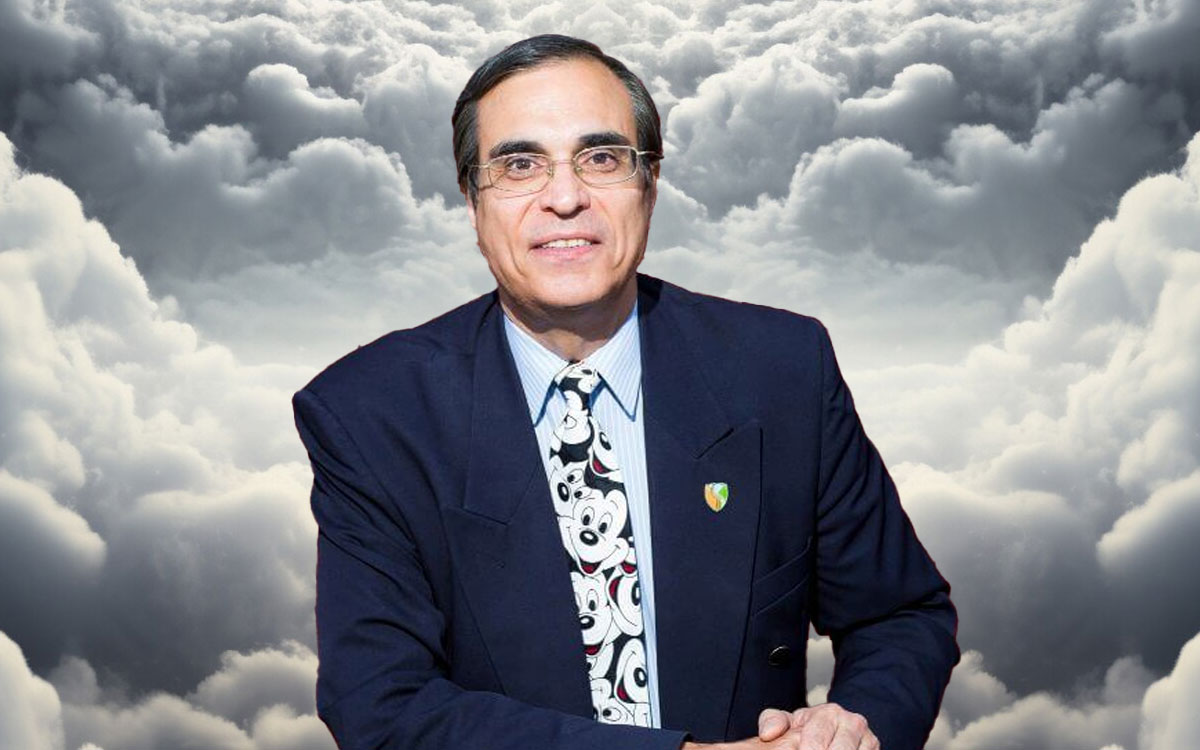
José Luis Cordeiro: The medicine of the future already has a date to eradicate aging
Aging is a disease... and it can be cured
One of the most striking concepts that Cordeiro presents is that aging is not a natural and inevitable process, but a curable disease. According to him, science is getting closer to reversing the effects of time on the human body, thanks to the convergence of four key technologies:
- Nanotechnology: allows manipulation of atoms and molecules at unimaginable levels.
- Biotechnology: has enabled the decoding of human DNA and opened the door to genetic engineering.
- Infotechnology: the use of artificial intelligence and big data in medical research exponentially accelerates discoveries.
- Cognotecnology: advances in neuroscience that will allow the fusion of the human mind with artificial intelligence.
According to Cordeiro, these combined technologies will lead us to a medical revolution where we will not only cure diseases but also prevent aging and, eventually, reverse it.
"In the coming years, we are going to cure all diseases; in five years, we will have no more paraplegics and quadriplegics. We will be able to reverse these terrible diseases, and in fact, we will not have Parkinson's in 15, 20 years, we will not have Alzheimer's in 20, 25 years, and we will not have aging; we will be able to rejuvenate," says the researcher.
Real cases: immortal mice and rejuvenated humans
Aging has already been reversed in experiments with animals. At the Methuselah Foundation, led by scientist Aubrey de Grey, they have managed to triple the lifespan of mice and increase the longevity of certain worms by up to six times.
But this is not just theory. Spanish scientist María Blasco has already demonstrated that manipulating telomeres (the biological "clocks" of cells) can rejuvenate tissues in mice.
And the most surprising thing: there is already a person who has begun to rejuvenate thanks to gene therapy. Liz Parrish, a biotechnology entrepreneur, underwent an experimental treatment to reduce her biological age... and the initial results indicate that it works!
Tech giants bet on immortality
It is no coincidence that the brightest minds in the technology world are investing millions in the fight against death. Google, through its company Calico, has allocated a fortune to find the biological "switch" for aging.
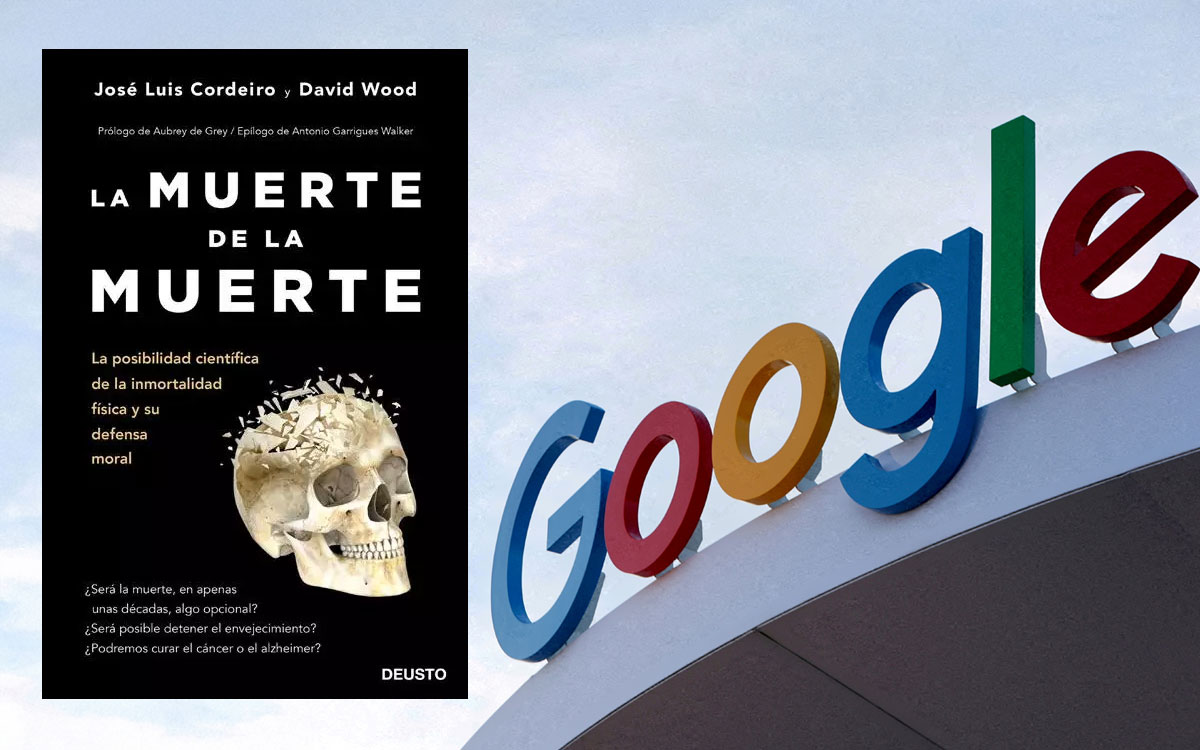
Google and Microsoft confirm it: immortality is around the corner
Mark Zuckerberg announced that he will donate $3 billion to eradicate all diseases, including aging. Microsoft, for its part, has declared that in 10 years it will cure cancer using artificial intelligence.
Are we facing a new era where death will be just a technical problem to solve?
What will happen to humanity if no one dies?
The end of aging will bring ethical and social dilemmas. If people stop dying, how will overpopulation be managed? Will there be restrictions on who can access these treatments?
Cordeiro asserts that technology is advancing exponentially and that, just as today a mobile phone is accessible to almost anyone, in the future extreme longevity will also be.
“I do not plan to die,” Cordeiro states. “In 30 years, I will be younger than today.”
His statement may sound like science fiction, but if history has taught us anything, it is that technological advances often exceed our expectations.
Cryopreservation: the plan B for those who die too soon
But what happens if someone dies before the cure for aging is ready? The answer is cryopreservation. Currently, there are already centers around the world where the bodies of people are frozen with the hope of being revived in the future.
In fact, Cordeiro was responsible for the first cryopreservation of a Spaniard on the Iberian Peninsula, asserting that this technique is the best option for those who cannot wait for the future of immortality.
The future is closer than we think
In the coming years, humanity will see changes that today seem straight out of a science fiction novel. The possibility of living indefinitely is no longer a distant dream but a scientific challenge with an estimated date.
Cordeiro and other futurists assert that in 20 or 30 years aging will be an option, not a sentence. But the big question is: Are we ready for a world where no one dies?