This vegetable improves circulation in the legs and few take advantage of it.
The powerful natural vasodilator that promotes blood circulation and prevents issues like varicose veins. This is how you can include it in your diet.
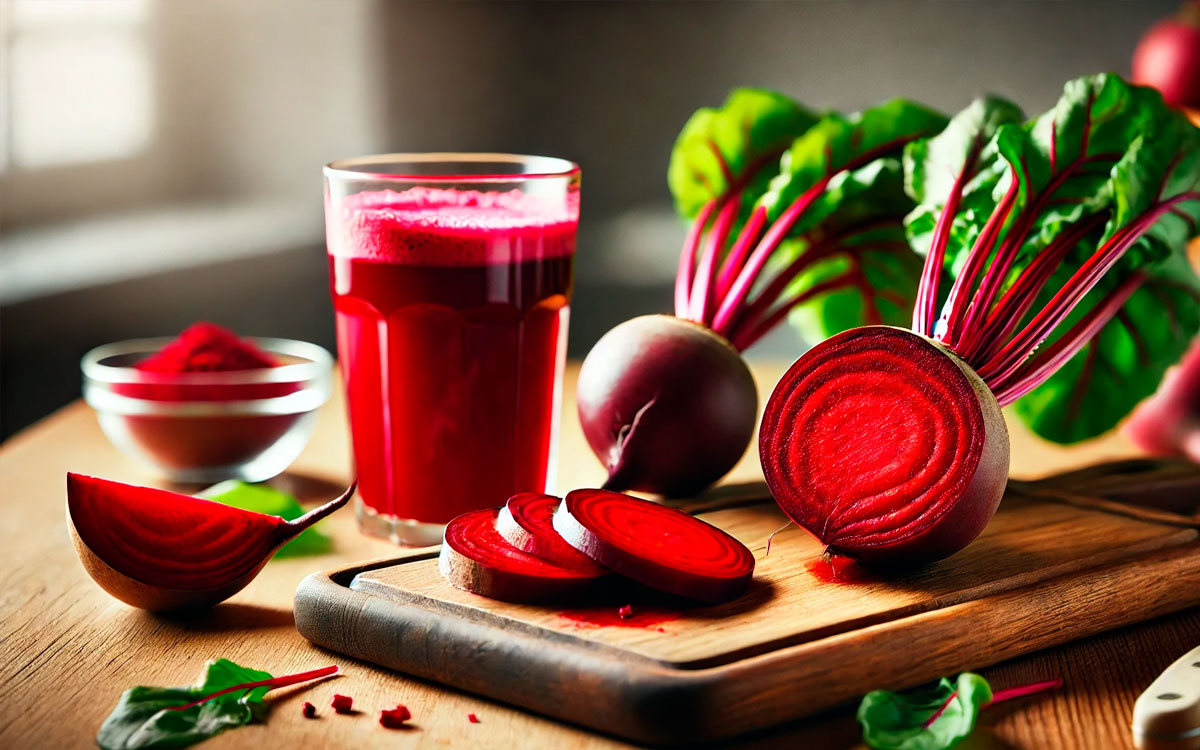
Good blood circulation is essential for health. The circulatory system transports oxygen, nutrients, and hormones to all the cells in the body, ensuring their proper functioning. However, when this process is affected, problems such as varicose veins, swelling in the legs, or even cardiovascular diseases may arise.
Nutrition plays a key role in circulatory health. Among the most beneficial vegetables for the vascular system, nutritionists highlight one in particular that can significantly improve blood flow: beetroot.
Beetroot: the superfood that boosts circulation
Also known as beet, beetroot is a vegetable rich in natural nitrates, chemical compounds that the body converts into nitric oxide.

According to the portal La Razón 25, this compound is a natural vasodilator, which means it widens blood vessels, allowing for more efficient blood flow and reducing blood pressure.
“In a study where patients consumed beetroot juice for eight weeks, a significant improvement in the participants' blood circulation was observed, demonstrating the powerful effect of this food.”
Additional benefits of beetroot
In addition to improving circulation, regular consumption of beetroot can bring other important benefits:
- Regulates blood pressure: by promoting vasodilation, it helps control hypertension.
- Prevents anemia: its high iron content contributes to the formation of red blood cells.
- Controls weight: it is low in calories and high in fiber, which improves digestion.
- Promotes metabolic health: it helps prevent diseases such as diabetes.
How to consume beetroot to take advantage of its properties?
Beetroot is a versatile food that can be included in the diet in various ways:
- In juice or smoothie: mixing beetroot with orange or carrot enhances its benefits.
- In salads: grated or sliced, it pairs well with other vegetables.
- Baked or boiled: it retains its natural sweetness and provides fiber.
- In soups or creams: a nutritious and comforting option.
How much beetroot is recommended to consume?
As with any food, consumption should be moderate. Including beetroot about three to four times a week may be sufficient to enjoy its benefits without excess.
If you have health issues such as kidney stones or diabetes, consult a specialist before increasing your intake, as beetroot contains oxalates and natural sugars that may affect certain conditions.
A small change with big results
Adding beetroot to your diet is a simple and natural way to improve blood circulation and prevent problems in the legs. With its high nitrate content and ability to dilate blood vessels, this vegetable becomes a key ally for cardiovascular health.
If you haven't included it in your diet yet, now is the time to take advantage of its incredible benefits!