Edible insects: the ten exotic and nutritious delicacies that surprise the world
Despite the benefits and growing interest, the acceptance of insects as food continues to face cultural barriers in many countries. However, the global food industry is seeking new ways to integrate insects into food products.
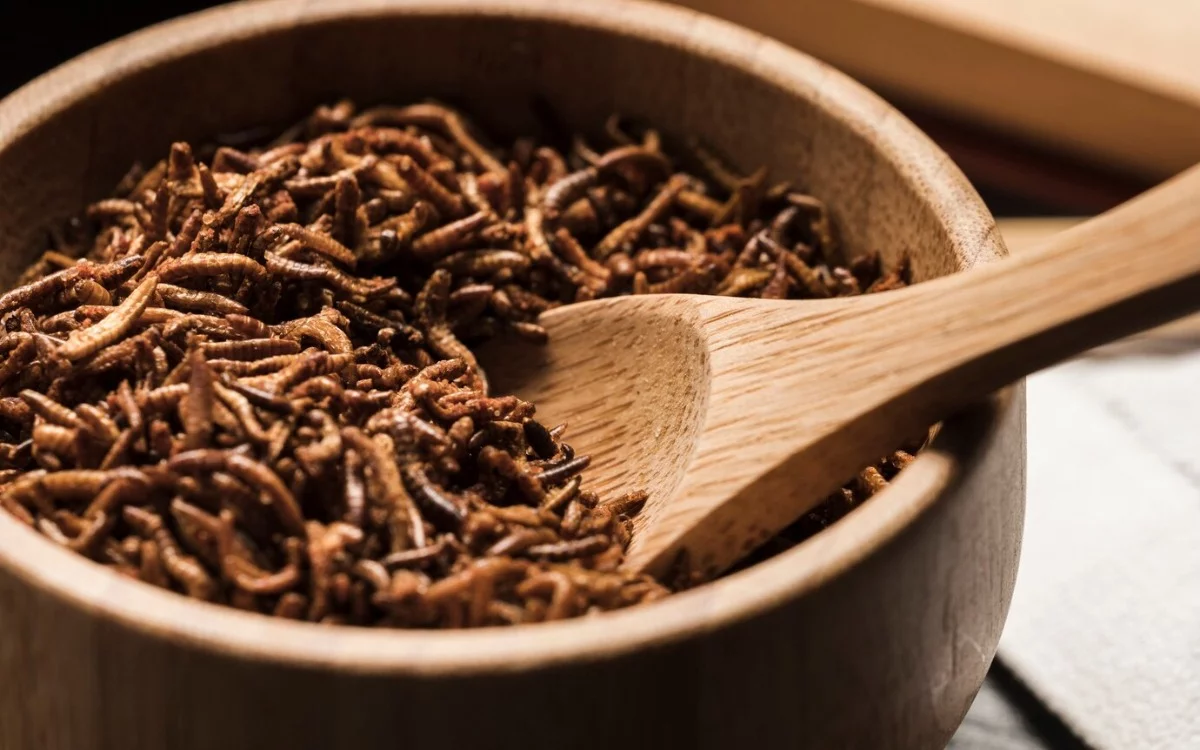
In times when the consumption of alternative proteins is growing and sustainable practices are becoming increasingly important, edible insects are positioning themselves as an intriguing and eco-friendly option. For centuries, cultures in Asia, Latin America, and Africa have valued these small animals for their nutritional richness and for offering an innovative alternative to traditional meat sources. Entomophagy, or the consumption of insects, is not only a modern trend but has ancient roots and is shaping up to be a key resource for a sustainable food future.
Why insects are the superfood of the future
The consumption of insects, supported by organizations such as the Food and Agriculture Organization of the United Nations (FAO), offers a low environmental impact and highly nutritious food alternative. Insects contain high levels of protein, healthy fats like omega-3 and omega-6, fiber, and a variety of essential minerals such as zinc, iron, and calcium. Raising them requires less water, space, and resources than traditional livestock farming, in addition to generating fewer greenhouse gases.
In countries like Mexico, Cambodia, Kenya, and Thailand, these edible species are not only part of the local cuisine but are also present in streets and markets, attracting both residents and tourists. The diversity of species and preparations reflects the versatility of insects as ingredients that provide flavor and nutrients, helping to meet the growing global demand for protein.

Notable edible insects and their nutritional contributions
Here we explore ten of the most fascinating and nutritious edible insects in the world, as well as the countries where they are part of the local cuisine.
1. Mopane caterpillars: a source of protein in Africa
Mopane caterpillars, very popular in Zimbabwe and other regions of East Africa, are primarily found on mopane trees and are highly valued for their protein content and versatility. These caterpillars are sun-dried or smoked, allowing them to be preserved for use in soups, stews, or as a crunchy snack. Their characteristic texture and flavor make them an interesting substitute for meat in various traditional recipes.
2. Tarantulas: a culinary challenge in Cambodia
In the village of Skuon, Cambodia, fried tarantulas, known locally as “a-ping,” are offered as a delicacy that challenges even the most daring palates. These large spiders are fried with garlic and spices until they reach a crispy texture and a reddish color. They are usually eaten in parts, starting with the legs and saving the body, which is denser and more nutritious, for last. Tarantulas are rich in protein and contain minerals such as iron and zinc.
3. Termites: tradition in Kenya
In Kenya, roasted termites are a common and highly appreciated food in some regions. In addition to being an excellent source of protein, they are rich in healthy fats and minerals such as calcium. Their consumption has been integrated into dishes like ugali, a cornmeal porridge served as a side in the Kenyan diet. Termites are a delicacy in certain seasons of the year when they are more abundant and fetch a high price in local markets.
4. Escamoles: the caviar of insects from Mexico
Escamoles, also known as “insect caviar,” are ant eggs that are harvested from underground nests in Mexico. These delicate eggs have a soft texture and a flavor similar to cottage cheese, making them an ideal ingredient for traditional dishes like soups and guacamoles. Generally prepared with butter and onion, escamoles are a showcase of the ancestral use of insects in Mexican cuisine and stand out for their high protein content and unique flavor.
5. Dragonflies: a marine snack in Asia
In Indonesia and Japan, dragonflies are captured and prepared fried or boiled. Their flavor is reminiscent of seafood, and their crunchy texture makes them an attractive option for those interested in exploring entomophagy. This practice is simple and sustainable, and the insects are captured in areas near rivers and lakes, where they are abundant during certain seasons of the year.
6. Moth larvae: almond-flavored from Australia
Moth larvae, also known as “witchetty grubs,” are a traditional dish in Australia that surprises with its almond-like flavor. Although their appearance may be intimidating, these larvae are rich in protein and healthy fats, as well as providing micronutrients that benefit health. Grilled or roasted, they acquire a crispy exterior and a soft center, giving them a flavor that some compare to chicken.
7. Scorpions: a crunchy classic in China
In the street markets of China, scorpions are a delicacy served on skewers. Although scorpions are arachnids, they are included in entomophagy as part of insectoid foods. These small animals are fried until they reach a crunchy texture and are accompanied by local spices to enhance their flavor. In some fine dining restaurants, scorpions are prepared alive in wine sauce, giving a distinctive and sweet touch to this unique culinary experience.
8. Chapulines: grasshoppers with lime and chili flavor in Mexico
In Oaxaca, Mexico, chapulines (grasshoppers) are a fundamental part of the local cuisine. Served fried with chili and a touch of lime, these insects are crunchy and used in tortillas, guacamole, or as a snack. Chapulines are not only a culinary tradition but also an excellent source of protein, iron, and other nutrients, making them ideal for a nutritious and sustainable diet.
9. Crickets: a popular snack in Thailand
In Thailand, crickets have become a frequent option in street food stalls, where they are prepared fried and seasoned with Thai pepper sauce. With a crunchy texture and deep flavor, these crickets are enjoyed with a cold beer and provide protein, fiber, and minerals. Thai crickets are among the most consumed insects worldwide, thanks to their high nutritional value and the ease of producing them in large quantities.
10. Ants: a chocolate delight in Brazil
In Brazil, ants are consumed as snacks and in gourmet recipes. In places like Silveiras, ants are prepared fried, sautéed, or coated in chocolate, and are a versatile ingredient in various recipes. Their small size makes them a less intimidating option for those trying insects for the first time. They provide protein, calcium, and iron, and in Mexico, they are also used as a base for escamoles, a delicacy of Mexican cuisine.
Why eating insects could change global food
Interest in entomophagy is growing as sustainability challenges and the need for alternative protein sources increase. With over 1,900 species of edible insects documented worldwide, the FAO emphasizes their potential to help food security and combat the food resource crisis. Moreover, the environmental impact of insects is lower than that of traditional livestock farming, as their production requires fewer resources and generates less pollution.