They printed 3D squid rings that are edible and provide up to 5% more protein than real squid.
An academic group revolutionized cooking by making 3D-printed vegan squid rings contain more protein than real squid.
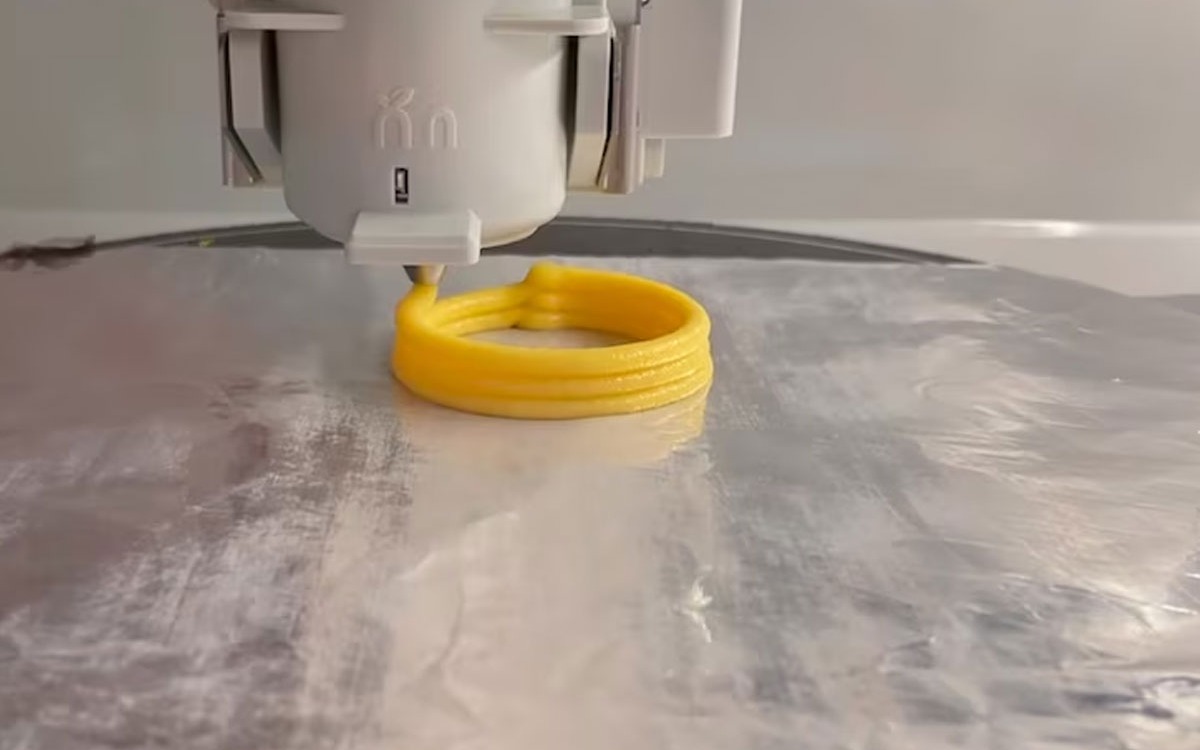
They printed 3D squid rings that are edible and provide up to 5% more protein than real squid. This innovative feat was made possible thanks to the tireless work of an academic team that, after two years of testing, managed to replicate and surpass the classic seafood dish in nutrients and texture. The research not only demonstrates the potential of three-dimensional printing in gastronomy but also opens new doors in the production of sustainable food.
A scientific bet to reinvent the classics of the sea
In 2023, researchers from the National University of Singapore presented their first vegan 3D-printed squid rings at the American Chemical Society (ACS) fall meeting. The project aimed to create plant-based alternatives that not only imitated the flavor but also the texture and nutritional profile of real seafood. Although the initial trials were promising, the texture of the product still posed a significant challenge for general public acceptance.
According to the specialized portal Popular Science, while the researchers managed to capture the characteristic neutral flavor of squid, they acknowledged that they were still far from replicating the chewiness experience that defines good fried squid rings.
The difficulty of replicating squid texture
The main obstacle lay in mimicking the firmness and elasticity that squid develops when cooked. As detailed by the scientific site Phys Org, replicating these mechanical properties in a plant-based base constituted a considerable technical challenge.
Aware of the importance of texture in food perception, the team led by Poornima Vijayan decided not to stop. "Texture is crucial for achieving an authentic consumption experience," Vijayan stated in a press release published on EurekAlert!.
A change in the recipe that changed everything
After two years of refinement, the scientists published an optimized version of their recipe in the journal ACS Food Science & Technology. The key was to adjust not only the composition of the mixture but also its processing.
The new formula is based on mung bean protein isolate and light yellow microalgae powder. Additionally, 1.5% gellan gum was added as a thickening agent and 2% canola oil, improving the fat content and providing greater juiciness to the final product.
The 3D printing was carried out with a food-grade printer that deposited thin layers of this paste, achieving a diameter of between 4.5 and 4.6 centimeters per ring, very similar to that of real squid.
A fundamental detail of this improved version was the freezing of the raw rings overnight, followed by a brief frying after breading them. This technique ensured that the final texture resembled even more that of the original product.
Technology that transforms plant proteins into seafood delights
The combination of three-dimensional printing and plant foods proved to be more than viable. As Poornima Vijayan highlighted, "this research shows the potential of 3D printing to transform sustainable plant proteins into seafood analogs."
This statement not only reflects technical success but also the strategic importance of developing alternative food sources that reduce the environmental impact of traditional fishing.
More protein than real squid
The results of the laboratory tests were conclusive. The vegan rings showed levels of hardness, elasticity, and cohesion that closely resembled those of traditional squid. One of the most revealing observations was the appearance of small gaps in the food structure, responsible for a softer and more appealing texture.
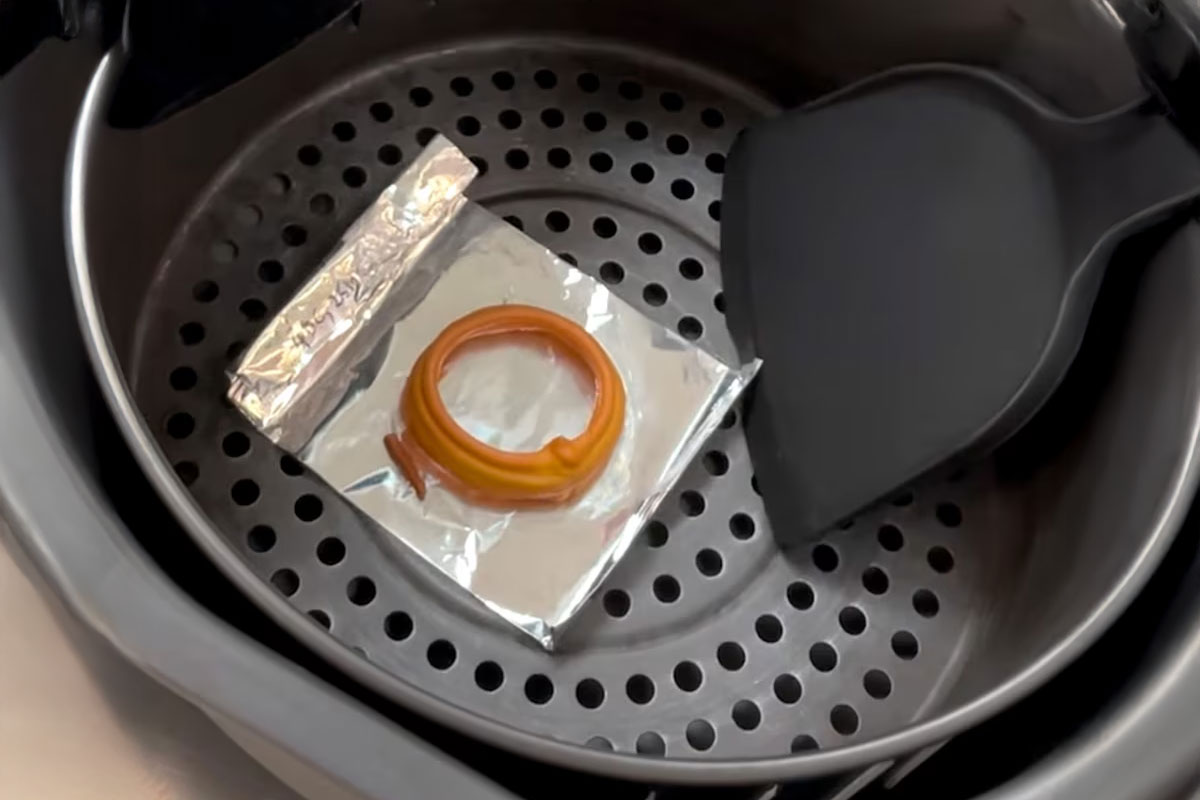
3D printed squid rings have more protein than real squid: this is what they did
Regarding nutritional contribution, the printed rings surpassed the animal product: they reached a protein content of 19%, compared to 14% found in real squid. This advancement represents a fundamental step towards plant-based alternatives that are not only sustainable but also more nutritious.
New frontiers for 3D printed foods
The success of this research marks a turning point in modern gastronomy. As Vijayan noted, the next challenge will be to understand how consumers receive this type of food and expand its application in other recipes.
The work of the team from the National University of Singapore opens a range of possibilities for the future of sustainable food, using 3D printing as a key tool to address the food and ecological challenges of the 21st century.