Pope Francis has died and the world reviews his history: the legacy of humility, social commitment, and dialogue that Jorge Mario Bergoglio leaves behind.
Pope Francis has died: the silent legacy of the priest who chose humility over power.
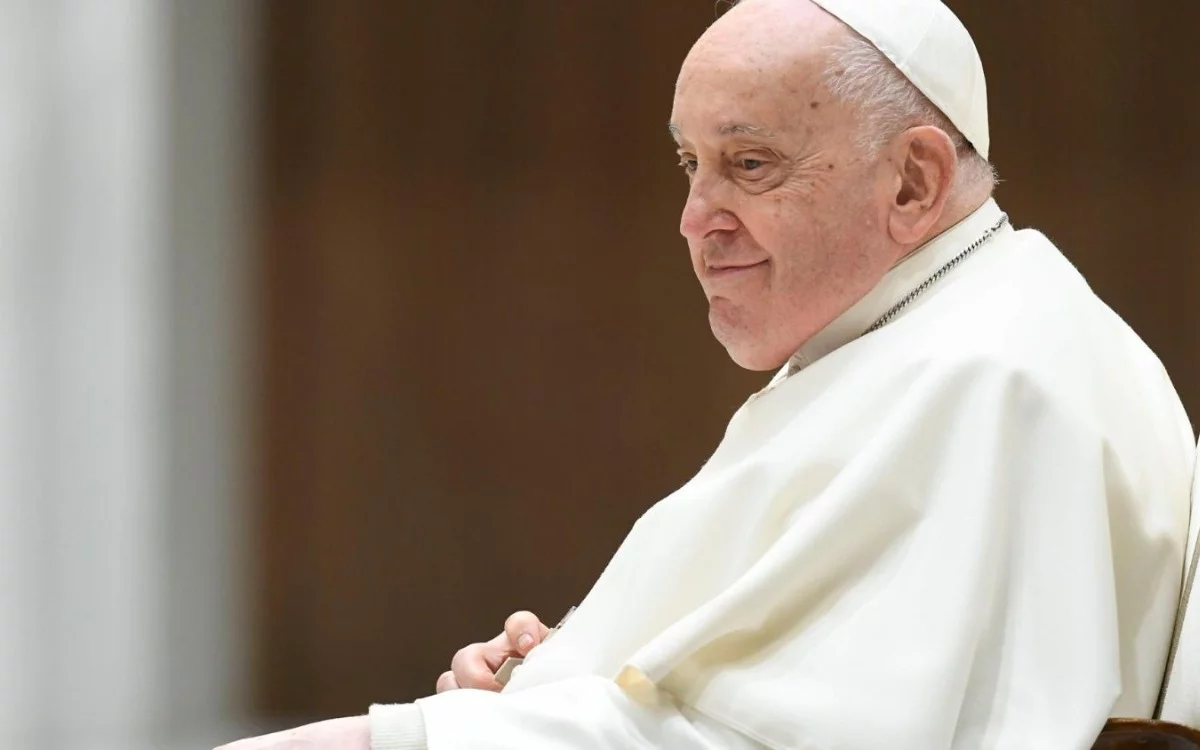
Pope Francis has died and with him, a unique chapter in the modern history of the Catholic Church comes to a close. Jorge Mario Bergoglio, the first Latin American pontiff, left an indelible mark with his austere style, his constant call for dialogue, and his firm commitment to the most vulnerable. Throughout his papacy, he avoided pomp and chose simple gestures that transformed the role of the Vatican in the world. Today, his spiritual and political legacy becomes a matter of global review.
From Flores to the Vatican: the origins of a different pontiff
Born in Buenos Aires in 1936, Jorge Mario Bergoglio grew up in the Flores neighborhood, within a family of Italian immigrants. The son of Mario Bergoglio and Regina Sivori, he studied in public school and graduated as a chemical technician before feeling the call to the priesthood. At 22, he entered the Jesuit seminary in the Villa Devoto neighborhood, where he began a life dedicated to serving others.
In 1969, he was ordained a priest and began to stand out as a reference in the field of theology. His academic and pastoral profile led him to positions of relevance within the Jesuit order and the Argentine clergy. In 1992, he was appointed titular bishop of Auca, and in 1998, he became the archbishop of Buenos Aires. In 2001, John Paul II made him a cardinal, consolidating his role as primate of Argentina.
The election that surprised the world
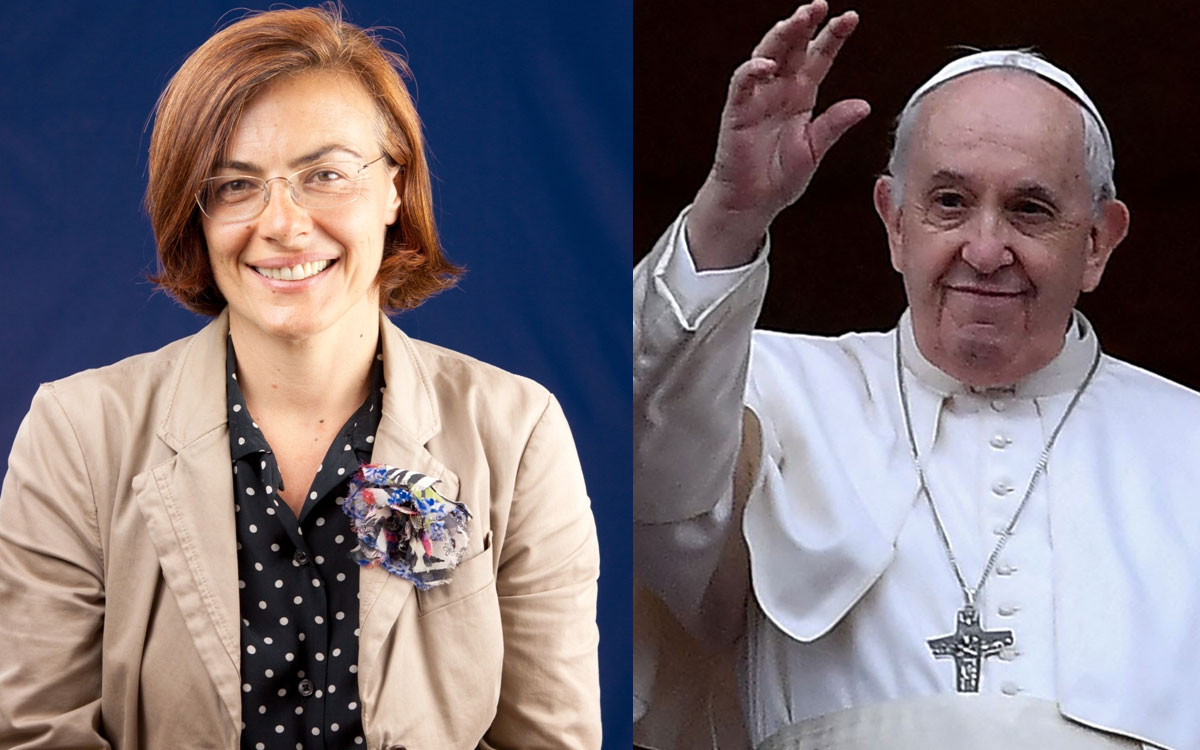
On March 13, 2013, during the second day of the conclave, the white smoke that emerged from the chimney of the Sistine Chapel announced that the world had a new pope. The chosen one was Jorge Bergoglio, who adopted the name Francis in honor of Saint Francis of Assisi, a symbol of poverty and peace. Thus, he became the first Jesuit and Latin American pontiff, as well as the first in over a thousand years not to use a previously adopted papal name.
The election was surprising, not only because of his origins but also because of his style. From his first greeting as pope, he omitted protocols, avoided the golden throne, and presented himself as “the bishop of Rome,” making it clear that his papacy would not follow the traditional molds of the Vatican.
Francis: Humility as a form of power
During his time as cardinal in Buenos Aires, Francis had already made his mark with his life choices. He rejected living in the Archbishop's Palace and opted for a small apartment next to the Metropolitan Cathedral. He used public transportation to get around, renounced ostentatious escorts, and often heard confessions in person from the faithful. Even then, his style broke with the symbols of power typical of the ecclesiastical hierarchy.
As pope, he maintained that austerity. He refused to live in the papal apartments and chose the Casa Santa Marta as his residence. On official trips, he avoided the use of limousines and preferred simple cars. “True power is service,” he often said. And he demonstrated it in every gesture.
His presence in tragedies and politics
One of the moments that marked his social commitment was during the tragedy of República Cromañón in 2004, when a fire in a nightclub caused the death of 194 young people in Buenos Aires. Bergoglio was present in hospitals and accompanied the families of the victims with a closeness that contrasted with the coldness of the political authorities at the time.
His voice also rose on issues of inequality. In 2009, as a cardinal, he delivered a speech that is still cited today: “Extreme poverty and the unjust economic structures that give rise to great inequalities are violations of human rights. Social debt is immoral, unjust, and illegitimate.” At that time, he harshly criticized the lack of responses from the State towards the most marginalized sectors.
Amid political tensions and calls for dialogue
Bergoglio was not estranged from Argentine politics. During the governments of Néstor Kirchner and Cristina Fernández de Kirchner, he maintained a tense relationship, especially due to his criticisms of social and economic policies. However, he never broke the bridges of dialogue.
One of the most significant gestures came after the death of Néstor Kirchner in 2010. The then-cardinal officiated a mass in his memory at the Metropolitan Cathedral and called for national unity: “It would be ungrateful for this people not to unite in prayer for a man who carried on his conscience and his shoulder the anointing of a people that asked him to lead them.”
A papacy of openness and reforms
During his papacy, Francis promoted reforms within the Vatican, faced cases of abuse in the Church, and sought to turn the institution into one that was more open and close to the people. He promoted tolerance, ecology, and interreligious dialogue. He opened up discussions on previously taboo topics, such as the role of women in the Church, homosexuality, and communion for the divorced.
He also promoted an inclusive view of faith: “Who am I to judge?” he responded when asked about homosexual Catholics. That phrase traveled the world and was interpreted as a paradigm shift within the Church.
The international and local reaction after his death
The news that Pope Francis has died shook the world and generated an immediate outpouring of messages from major international leaders. In Argentina, tributes began early. The Episcopal Conference called for a mass at the Cathedral, and the media remembered his figure with testimonies and archives.
From the Vatican, the official spokesperson reported that the pope died “in peace, surrounded by his closest collaborators.” In his last public message, Francis had asked “not to forget those who suffer, not to normalize injustice, and not to close our hearts to the pain of others.”
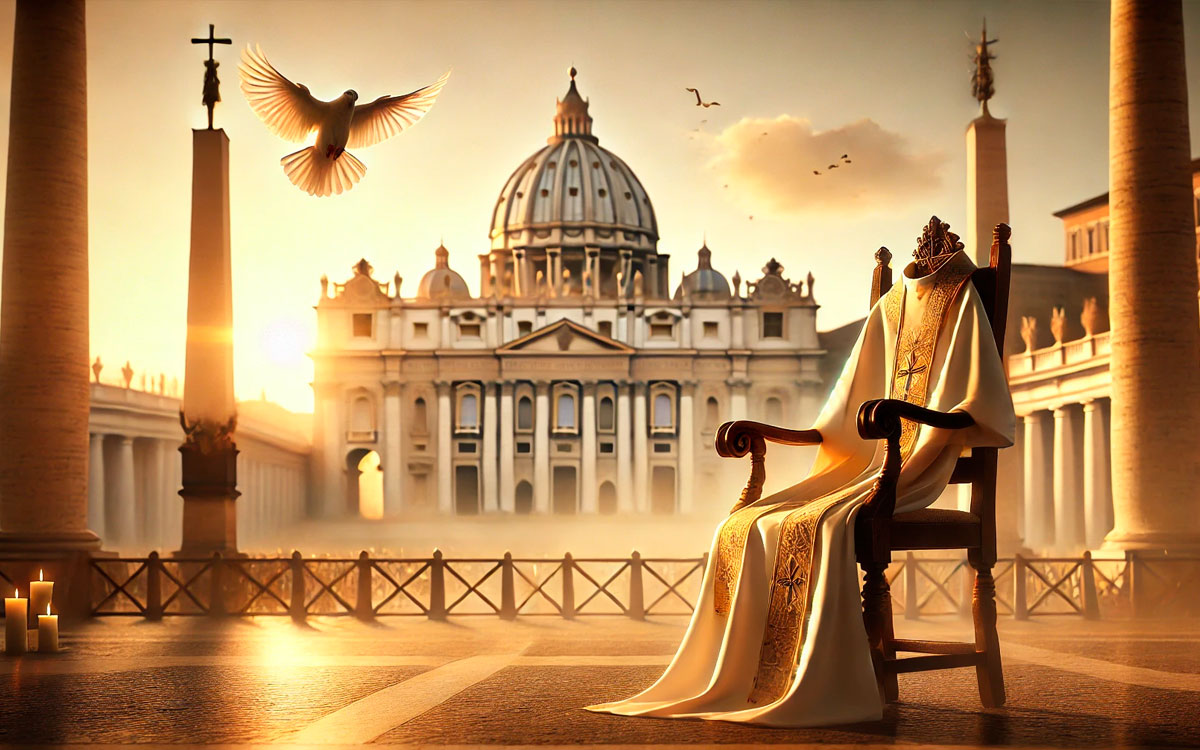
Until the next election of the new Pope, the state of the Vatican is "Sede Vacante".
Pope Francis: a legacy that goes beyond religion
Beyond his religious role, Jorge Bergoglio was a key figure in contemporary history for his ability to build bridges. His papacy will remain a symbol of renewal in a world facing increasing divisions and global social crises. The choice to live simply, to speak clearly, and to act coherently was his way of showing that change was possible from within.
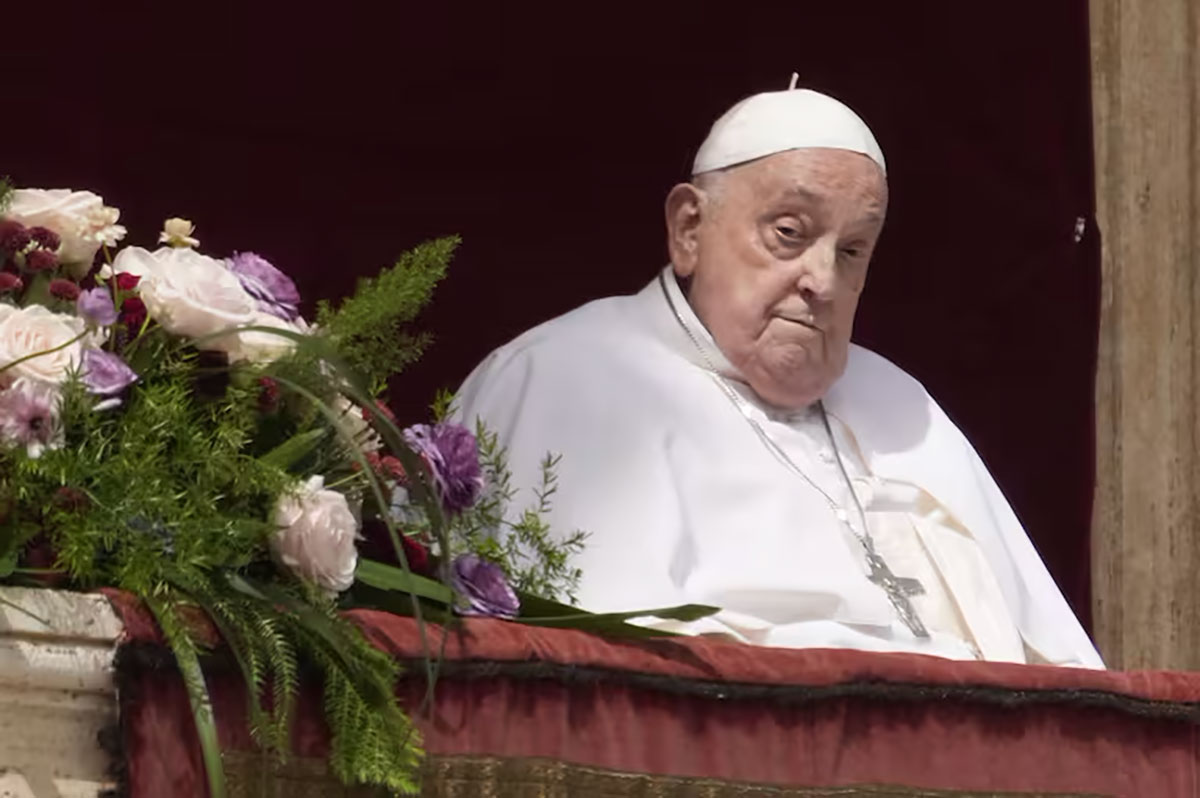
His last public appearance on the balcony of St. Peter's Basilica.
Today, with his passing, the world faces the dimension of his work: a shepherd who, from the periphery of the global south, managed to mark the spiritual path of millions and challenge power from humility.