Neither from the field nor from the mill… the unexpected ingredient that is already competing with wheat flour.
Cricket flour is already being produced on an industrial scale in Spain and is emerging as a direct competitor to wheat flour.
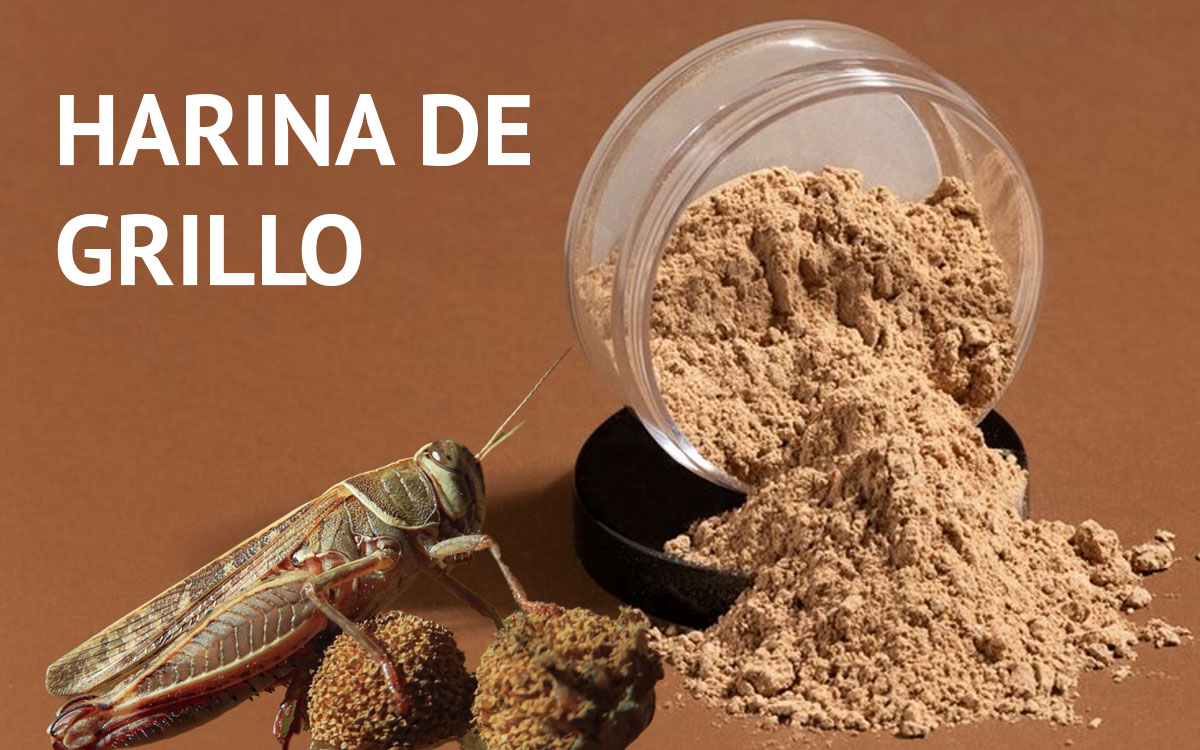
The cricket flour has ceased to be an exotic rarity and has become an industrial reality. Spain now has its first factory dedicated exclusively to the production of this innovative food, positioning it as a pioneer in Europe. The proposal not only aims to transform the way we consume proteins but also to directly challenge the dominance of wheat flour in daily nutrition.
Originating from Southeast Asia, this flour made from dehydrated and ground crickets is gaining increasing presence in countries like Canada, the Netherlands, and now also Spain. The bet is not minor: in the face of the climate crisis and future food challenges, insects present themselves as a nutritious, sustainable, and efficient source.
This is the first cricket flour factory in Spain
The plant, located in Spanish territory, operates under strict health controls and uses cutting-edge technology to ensure product quality. In its facilities, crickets are raised in controlled environments, fed with vegetables, and after their life cycle, they are processed to transform into a fine powder rich in nutrients.
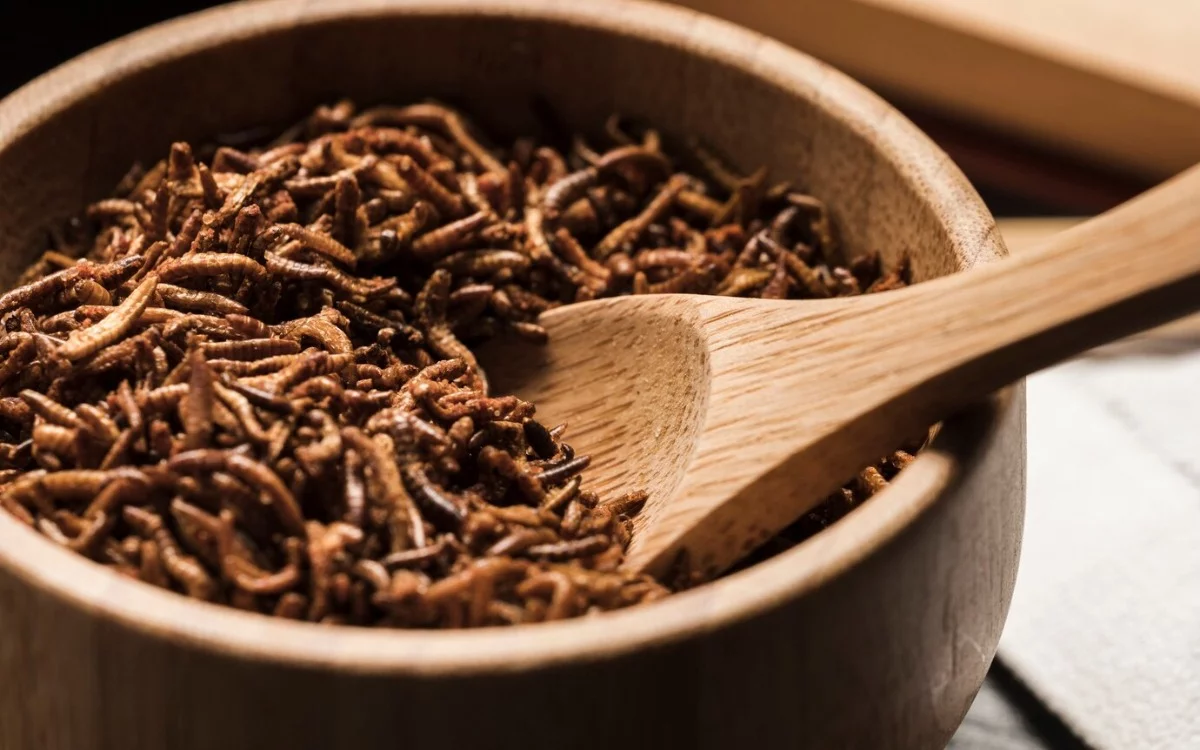
This product contains high levels of protein, essential amino acids, iron, calcium, and vitamin B12. It is a lower environmental impact alternative compared to traditional flours, as cricket farming consumes less water, space, and feed than intensive livestock or agriculture.
From curiosity to supermarket
What started as a marginal proposal is now found on the shelves of specialized supermarkets and e-commerce platforms. In Europe, interest in alternative products is on the rise, and consumers are seeking healthier and more sustainable options.
The cricket flour is used in the production of bread, cookies, energy bars, pasta, and even protein snacks. Its mild flavor, similar to that of nuts, makes it versatile for integrating into everyday recipes without causing rejection on the Western palate.
Endorsement from the European Union
The European Food Safety Authority (EFSA) has approved the use of cricket flour as an ingredient for human consumption. This opened the doors to its mass commercialization in several countries on the continent, generating notable interest from startups, investors, and large companies in the food sector.
Spain, by establishing its first insect flour factory, is ahead of the growth of this emerging industry and positions itself as a relevant player in the development of new forms of sustainable nutrition.
Direct competition with wheat flour
Although the cricket flour does not seek to immediately replace wheat flour, it does compete in an increasingly valued segment: that of functional products and high nutritional performance. Athletes, vegan consumers, and people with gluten allergies adopt it for its specific benefits.
Moreover, in contexts where wheat production may be affected by climate change or geopolitical crises, having a stable, locally produced protein alternative represents a strategic advantage.
Sustainability as a central axis
The environmental impact of cricket flour production is significantly lower than that of other protein sources. To produce one kilogram of cricket protein, a fraction of the water and feed required to produce the same amount of beef protein is needed.
The waste generated is also minimal and can even be used as natural fertilizer. The entire production cycle is designed from a circular economy logic.
Are we ready to eat insects?
Cultural acceptance remains one of the main challenges. Although the benefits are numerous, many consumers still show reluctance to the idea of consuming insects, even if they are ground and have no recognizable appearance.
However, awareness campaigns, transparent labeling, and the gradual incorporation into familiar products have allowed progress in normalizing consumption. Countries like Belgium and France have already incorporated edible insects into their food regulations without major conflicts.
The future of food could sound... chirpy
The emergence of factories like the one established in Spain marks a turning point in the global food model. While there is still a long way to go, the cricket flour is no longer a passing trend: it is a movement backed by science, industry, and regulatory bodies.
What once seemed like science fiction is now on the ingredient list of an energy bar or a gourmet pasta. And all indications suggest that its presence will only grow.