It's not the heat: the hidden reason behind the increase in cases this summer and mosquitoes
The link between summer and mosquitoes has become more dangerous. What is happening and how to protect yourself from diseases like dengue.
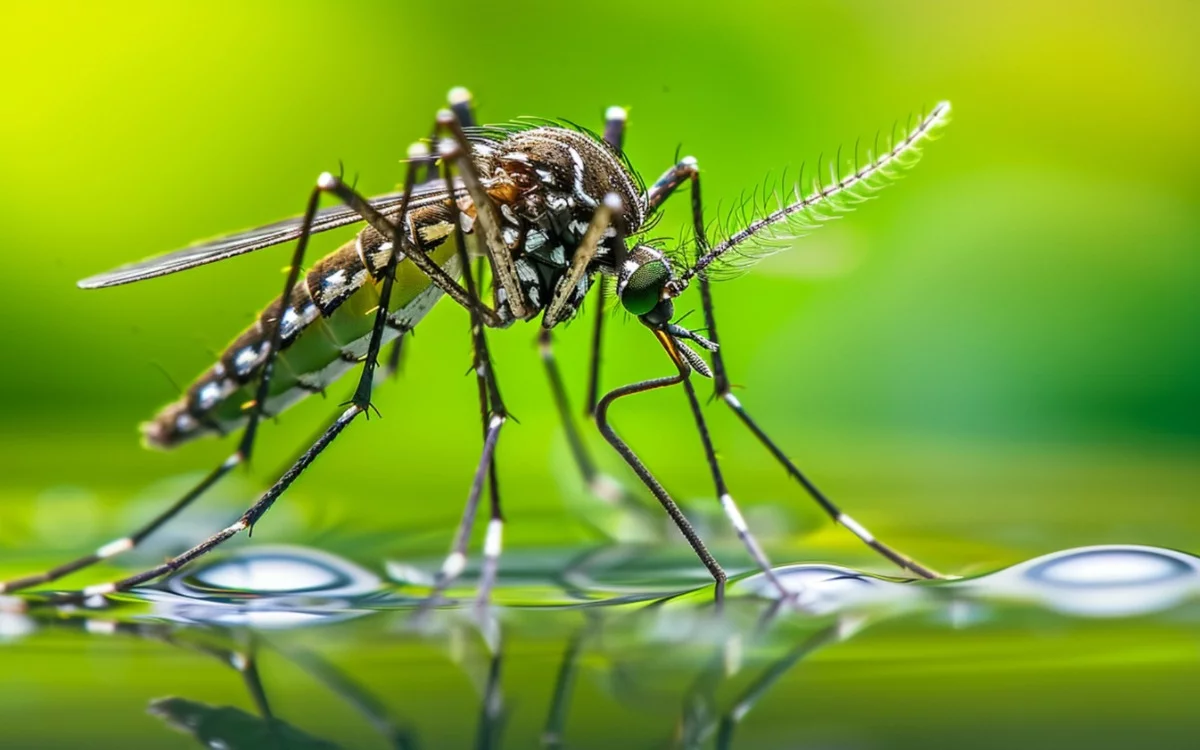
In the midst of a changing climate, with unexpected rains, high humidity, and unusual temperatures, coexisting with mosquitoes has become much riskier.
Outbreaks of diseases transmitted by these insects, especially dengue, have intensified in recent years. Dengue has become a silent threat that grows with each summer season.
According to data from the Pan American Health Organization (PAHO), the circulation of the Aedes aegypti mosquito did not stop even in winter, which completely changed the health landscape.
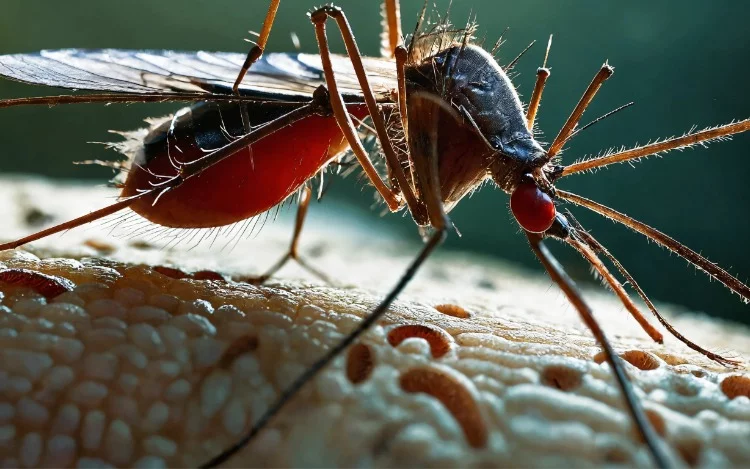
Mosquitoes all year round: the effect of climate change
One of the most relevant facts explaining this phenomenon is that mosquitoes are no longer exclusive to summer. Climate change has caused temperatures to remain high even during the cold months, and humidity to stay elevated for longer, creating a perfect environment for their reproduction.
Mosquito eggs can survive up to seven months in a dormant state, even without visible water, until conditions are optimal for hatching. This means that prevention efforts cannot be limited to December-March, but must be maintained year-round.
What you need to know to avoid bites
The mosquitoes that transmit dengue, zika, chikungunya, and yellow fever have behaviors different from those we usually associate with common mosquitoes. Therefore, it is key to know some basic facts that can help you make better decisions.
1. They bite during the day, not at night
The Aedes aegypti, the main vector of dengue, bites mainly during the early hours of the morning and at dusk, when there is more light. This contradicts the traditional idea of the mosquito buzzing at night.
2. They use clothing to their advantage
It is not enough to cover your skin. They can bite through clothing, so specialists recommend applying repellent to clothing as well, especially if it is lightweight.
3. Not all repellents are the same
The scent of repellents affects the mosquito's olfactory system and keeps it away. But not all products work for everyone. It is essential to read the label, as not all are suitable for minors, pregnant women, or people with sensitive skin.
4. Natural repellents also protect
Repellents based on citronella, laurel, or eucalyptus can be a healthier alternative. They have proven effectiveness, although their duration may be shorter than that of products with DEET or Icaridin.
5. Don't believe in home myths
Taking vitamin B1, consuming garlic, or using ultrasonic devices are not effective methods to avoid bites. Neither are bracelets, electrocution lamps, or homemade solutions without scientific validation.
6. Sunscreen does not replace repellent
If you are outdoors, apply sunscreen first and then, on top, the repellent. They are complementary products, not exclusive.
7. Reapply repellent during the day
Protection is not eternal. You need to reapply it every 3 to 6 hours, especially if you sweat, bathe, or get wet.
The key: eliminate breeding sites at home
Beyond protecting yourself from bites, the only way to avoid diseases is to eliminate the mosquito before it hatches. The life cycle of the Aedes aegypti depends on places with stagnant water, even in minimal amounts. Therefore, decluttering tasks are essential.
What does decluttering involve?
- Emptying and cleaning every container that collects water: flower pots, buckets, pet waterers, vases, gutters, drains, bottles, etc.
- Covering water tanks, cisterns, and storage containers.
- Placing damp sand in the saucers of flower pots.
- Checking patios and balconies, at least once a week.
Eliminating breeding sites not only protects your home but also the neighborhood. The mosquito does not fly long distances: it usually moves within a radius of 100 meters, so if a neighbor neglects their patio, the risk extends to the entire block.
Why will this summer be different?
There are three key factors:
1. Unusual temperatures throughout the year.
The warm weather during autumn and winter allowed for the constant survival of eggs and larvae.
2. Changes in social habits.
Recommendations to spend more time outdoors, inherited from the COVID-19 context, increased exposure to bites without many people adjusting their protection routines.
3. Lack of sustained prevention campaigns.
In many districts, awareness and fumigation actions were sporadic, leaving the population uninformed or unprepared.
Information is your best defense
Prevention remains the only valid strategy to avoid outbreaks.
Dengue is not transmitted from person to person. It is only transmitted if a mosquito bites an infected person and then a healthy one. That is why breaking the chain with concrete measures —use of repellent, elimination of breeding sites, community control— can prevent thousands of infections.
The link between summer and mosquitoes is not new. But in recent years, that relationship has become more dangerous. What was once a passing nuisance can now become a public health risk.