You create your world every day: why life is a creation and not a discovery
You create your world every day: why life is a creation and not a discovery

You are not discovering your life: you are creating it
Life is a creation, not a discovery. This statement, found in the book "Conversations with God" by Neale Donald Walsch, proposes a completely different view of human purpose. We do not come into the world to decipher a hidden destiny, but to actively create our experience, moment by moment. It is not what life "brings us," but what we decide to build with our actions, words, and thoughts.
This shift in perspective, although challenging, is also profoundly liberating: it turns us into conscious creators instead of passive receivers. And here is how and why that process works.
We are made to create
Made in the image of the creator
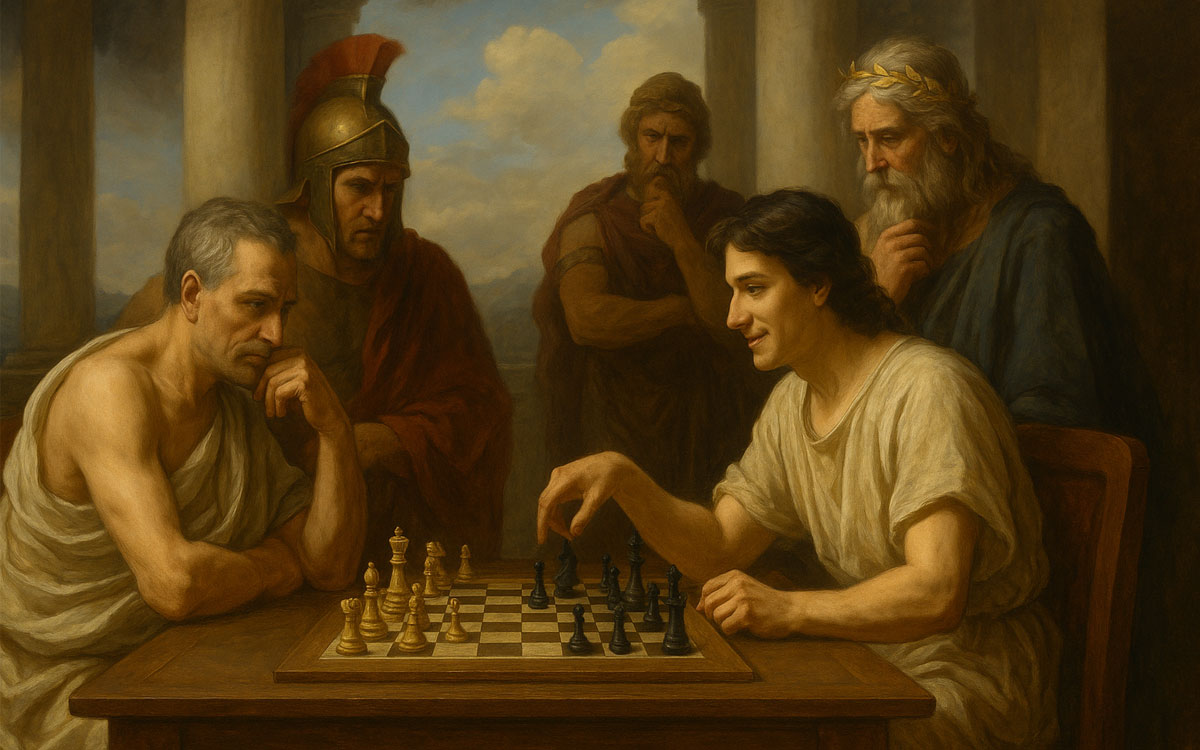
The starting point of the argument is radical and profound: “I have created you in the image and likeness of God.” In that statement lies an inherent capacity: the ability to create. God is the creator, and if we are a reflection of the divine, then we too have that power. But it is not a mystical or reserved power: it manifests through three levels of existence that coexist in every human being.
These three aspects are known by different names: Father, Son, and Holy Spirit; or mind, body, and spirit; they can also be seen as superconscious, conscious, and subconscious. The key idea is that our ability to create unfolds through these three planes.
Thought, word, and action: the three tools of the creator
The process of creation has a clear and logical structure. First comes thought, the initial spark of all creation. Then comes the word, which gives it form. And finally, action, which materializes it.
- Everything begins with an idea. That first thought is what is known as “proceeds from the Father.”
- Then we express it. “Ask and it will be given to you, speak and it will be done for you,” says the text. Naming what we think gives it strength.
- Finally, we act. When there is coherence between what we think, say, and do, creation becomes real. “And the word became flesh,” explains the author.
These three levels operate simultaneously. If you think something but do not say it, you are already creating. If you also say it, the process gains strength. And if you do it, you make it part of your concrete experience.
Faith is the foundation of all creation
Creation and certainty: believing is essential
Thinking, saying, and doing something is not enough if you do not truly believe it. Authentic creation requires conviction. This goes beyond hope or desire: it is an inner certainty, a deep knowledge that what you visualize is already a potential reality.
This certainty is what is commonly called faith, but not as blind belief, rather as a conscious acceptance. “By your faith, you will be healed,” the text reminds us. Having faith, in this context, is recognizing as real something that has not yet materialized. It is acting with total confidence that what you have chosen is already happening.
Anticipated gratitude is the hallmark of the conscious creator
Thanking before seeing: a fundamental key
A key aspect of the creation process is anticipated gratitude. Thanking before seeing the results is not naivety: it is a sign of spiritual maturity. Great masters practice it this way. They do not wait for something to happen to feel gratitude; they know that the act of thanking in advance strengthens and accelerates manifestation.
This attitude is not arrogant, but conscious. Thanking for something before having it is a way of affirming: “I know it is already on its way, I know it is already part of my experience.” According to Walsch, this is one of the clearest signs of mastering the art of creation.
Rejecting what you live is rejecting your power
Accept your creation, even when you do not like it
Everything that is part of your life is a manifestation of you. Rejecting any aspect of your reality is a way of rejecting a part of yourself. This does not mean conforming, but understanding that what you do not want has also been part of your creative process, even if it occurred unconsciously.
The proposal is clear: bless what comes, thank it, and then choose again if you want something else. Changing your life is possible, but first, you need to embrace it as your own.
Choose again, and create something different
If there is something you do not like in your current life, the way is not to ignore it or resist it. The way is to recreate your experience from a new starting point. That implies:
- Thinking differently
- Expressing yourself in another way
- Acting in another direction
“Think a new idea. Speak a new word. Do something new,” suggests Walsch. And he adds: “Do it with greatness, and the rest of the world will follow you.” This is an invitation to live by example, from personal leadership, from conscious creation.
You are the way
The phrase “I am the Way and the Life” is not a quote to repeat, but a call to understand that you too are a creator, guide, and manifestation. You are not here to follow, but to inspire. You did not come to copy, but to express your highest version.
When you live from certainty, coherence, and gratitude, your life becomes a manifestation of the divine. This is how the will of God is expressed “on Earth as it is in Heaven”: through you, through your thought, your word, and your action.
The life you live is the one you are creating
The message is clear: life is a creation. Nothing arrives by chance. Everything that is part of your existence is connected to what you have generated internally. Your external world is a reflection of your inner world.
This approach does not blame or victimize. It empowers. Because if you have created a reality you do not want, you can also create a new one. And you do this every minute, with every thought, with every word, with every decision.