"Wuthering Heights" is sweeping through the cinema and causing an unexpected phenomenon that revives the classics.
The premiere of Wuthering Heights not only dominates the box office: it also boosts the sales of the classic by Emily Brontë and reignites the passion for reading.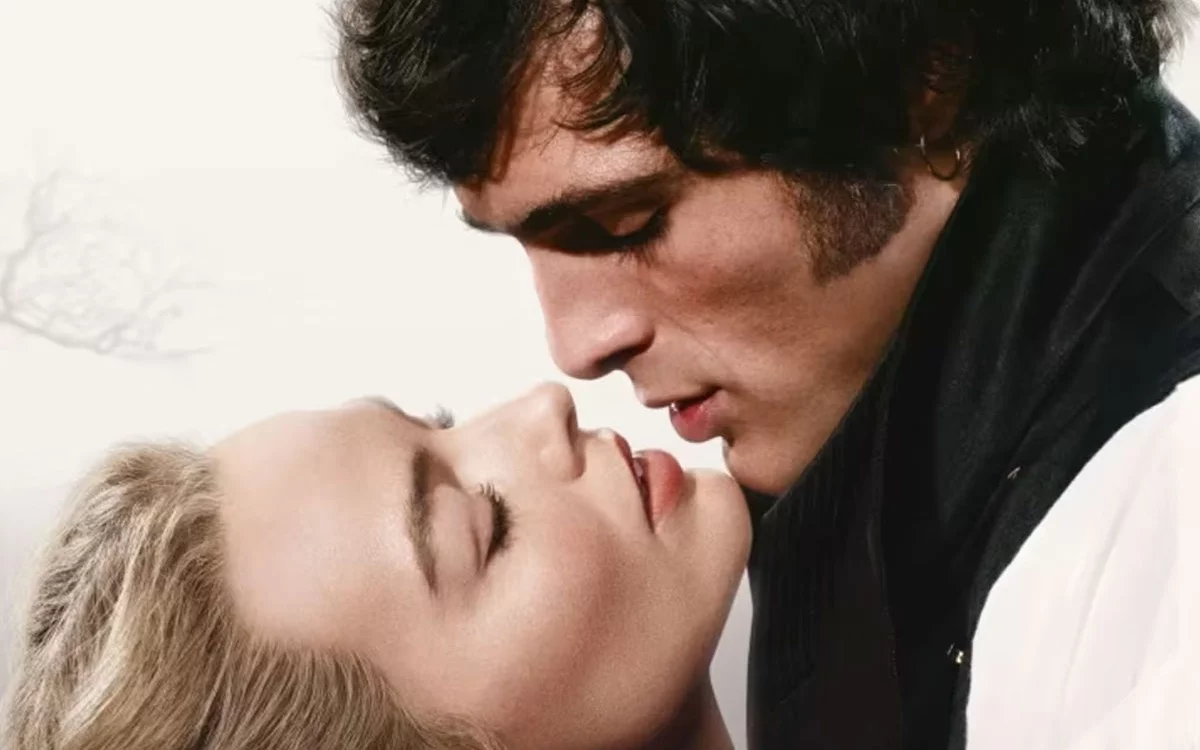
The movie Wuthering Heights (original title in Spanish: Cumbres borrascosas) is a new adaptation of the classic by Emily Brontë directed and written by Emerald Fennell. The film premiered in theaters on February 13, 2026, with a joint production between the United Kingdom and the United States and distributed by Warner Bros. Pictures.
-
The performance of Margot Robbie embodies Catherine Earnshaw and Jacob Elordi brings to life Heathcliff, the two protagonists of this intense story of love, obsession, and revenge.
-
The premiere was strategically timed around the weekend of Valentine's Day, aiming to capitalize on the romantic yet tumultuous theme of the work.
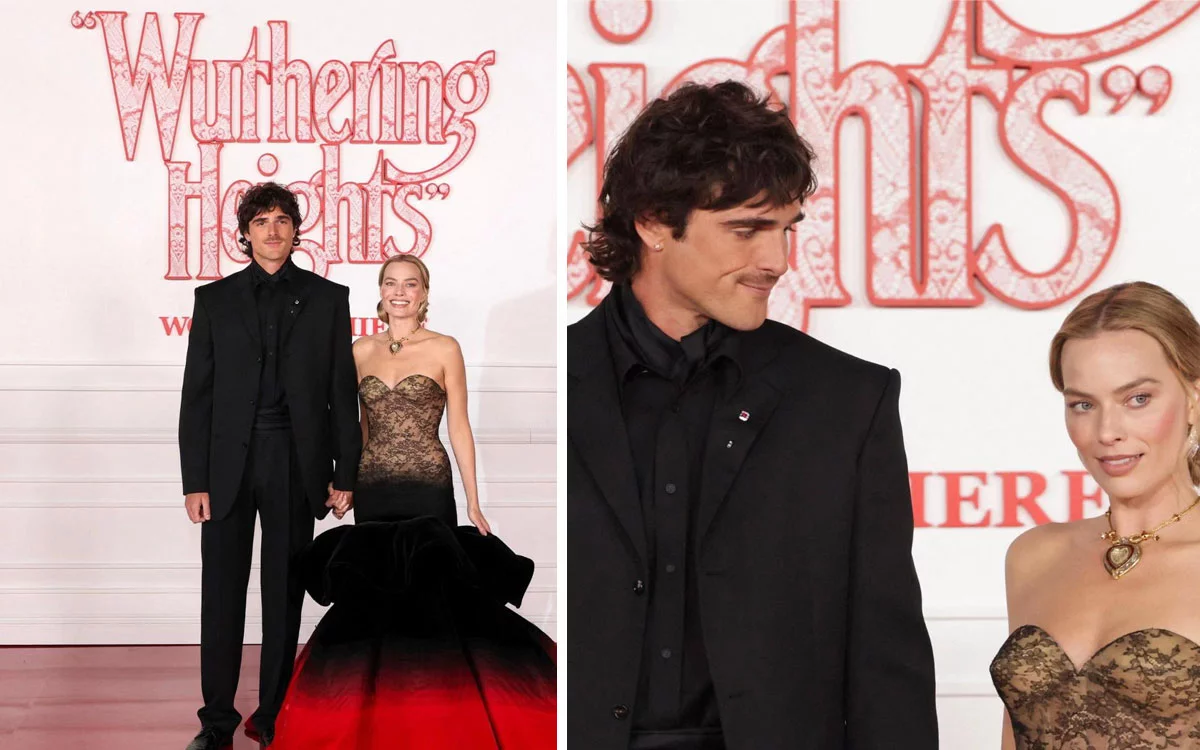
What this version offers
This adaptation seeks to reinterpret the classic from 1847 for a modern audience. In narrative and aesthetic terms, it has some distinctive features:
-
The director made creative decisions that move it away from a faithful adaptation of the book — for example, it focuses more on the passion between characters and a more explicit view of the plot — which has generated both interest and debate among critics and followers of the original text.
-
The film's music includes contemporary songs, featuring a contribution from singer Charli XCX in the soundtrack.
-
The film has also divided opinions: some commentators highlight its visual value and boldness, while others criticize that it simplifies the deeper themes of the book.
Reception from the public and critics
-
In its global opening weekend, the film grossed significant figures — around $76.8 million at the box office — and ranked first among Warner Bros. releases, especially performing well in territories like Australia.
-
However, the reception has been mixed, with critics noting that the adaptation is intense and provocative, although it does not always meet the expectations of those familiar with the novel.
-
Additionally, it has been reported in the media that Robbie and Elordi developed a notable chemistry during filming, something that has caught the audience's attention beyond the plot.
-
On social media and in press conferences, the visual style and explicit description of certain scenes have also generated buzz, fueling the debate about how much this version is ‘Wuthering Heights’ in its essence.
Controversy and debate
The film has sparked discussion among experts and fans of the book for several reasons:
-
The narrative approach and creative liberties taken by Fennell have received both praise and criticism, as they alter some central themes of the original novel to adapt them to a more visceral and contemporary style.
-
Some sectors believe that the lyrical and tumultuous story transforms into a narrative more focused on passionate romance, losing nuances such as social critique and the psychological complexity that Brontë explored in 1847.
Cultural impact
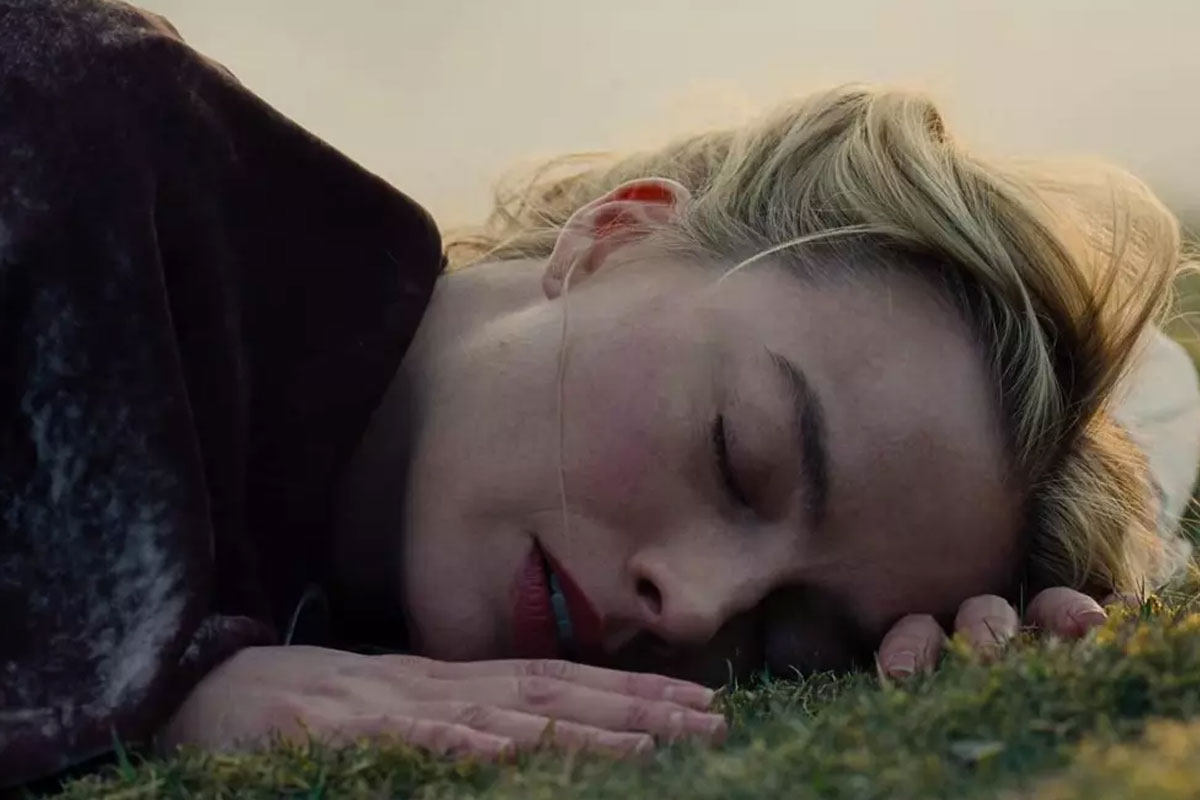
The presence of Robbie and Elordi, two high-profile figures in current cinema, has placed Wuthering Heights at the center of cultural conversations not only in cinephile circles but also among new audiences who may not have read the original work.
This premiere is part of a broader trend where adaptations of literary classics generate intense — sometimes divisive — reactions and raise discussions on how to interpret works from the past under contemporary lenses.
What began as a cinematic gamble has turned into a broader cultural phenomenon. The film has sparked curiosity, debates, and analyses on social media, but it has also led to a notable increase in sales of the classic published in 1847.
The return of a classic to the sales charts
For years, many literary classics remained relegated to dusty shelves. However, the release of Wuthering Heights has once again placed the novel in international rankings.
Young and adult readers decided to get ahead of the premiere by reading the original work before going to the cinema. Others, after watching the film, felt the need to discover the nuances that only the book can offer.
This behavior reflects a change in cultural habits. The experience is no longer limited to the screen. The audience seeks to delve deeper. They want to compare versions. They want to understand what was adapted and what was transformed.
Adaptations that serve as gateways to reading
The impact is not coincidental. Film and television adaptations have established themselves as one of the main pathways to literature.
Every time a novel reaches the big screen or a streaming platform, there is an immediate effect on the publishing market. Online searches increase. Recommendations on social media grow. Sales multiply.
The phenomenon was also seen with El Eternauta, whose adaptation revitalized interest in the comic created by Héctor Germán Oesterheld. After its release on Netflix, the original work returned to the top sales positions.
As explained by Tomás Meabe, Country Manager of Buscalibre Argentina, “literary adaptations today function as one of the main gateways to reading. Each release generates a direct impact on the search for the original books.”
From social media to movie theaters
The resurgence of reading does not solely depend on cinema. Digital communities also play a key role.
The so-called “booktokers,” content creators who recommend books on social platforms, have contributed to classics and new releases circulating among young audiences. The combination of social media and audiovisual adaptations has created a virtuous circuit.
First, the title goes viral. Then the production is released. Finally, the book is sold again.
In the case of Wuthering Heights, the debate over Fennell's aesthetic vision, the reinterpretation of characters, and the gothic atmosphere generated thousands of posts and reviews.
Other recent success examples
The phenomenon is not isolated. There are compelling precedents.
The Hunger Games saga experienced sustained sales growth after each film release.
More recently, the new version of Frankenstein directed by Guillermo del Toro for Netflix has brought Mary Shelley's work back into conversation.
This year, Prime Video announced the release of a series based on The House of the Spirits, the iconic novel by Isabel Allende. The anticipation is already generating an increase in searches for the book.
On the same platform, the adaptation of the Culpables saga by Mercedes Ron can also be seen, which has become one of the most successful young adult trilogies in recent years.
A new way of cultural consumption
What is happening with Wuthering Heights confirms a deeper trend. The audience no longer consumes stories in isolation. They seek comprehensive experiences.
They read the book. They watch the movie. They comment on social media. They recommend. They compare.
This dynamic not only strengthens the film industry but also revitalizes the publishing sector, which for years faced a decline in sales and a reduction in the reading audience.
Today the scenario is different. Adaptations serve as a bridge. They connect generations. They reactivate classics. And they demonstrate that great stories can be reinvented without losing relevance.
The lasting power of great stories
The story of Heathcliff and Catherine, written by Emily Brontë over a century ago, continues to resonate with new audiences.
The success of Wuthering Heights in cinema shows that classics do not expire. They just need new perspectives to engage with the present.
And as long as theaters continue to fill up and bookstores keep restocking copies, the message is clear: literature and cinema can mutually enhance each other.
Keywords: wuthering heights movie, literary adaptation success, classics that are selling again, cinema and books phenomenon, sales of classic novels.