Why the brushing schedule changes everything you thought about oral health
These brushing techniques are the ones recommended by experts (and not the ones you thought).
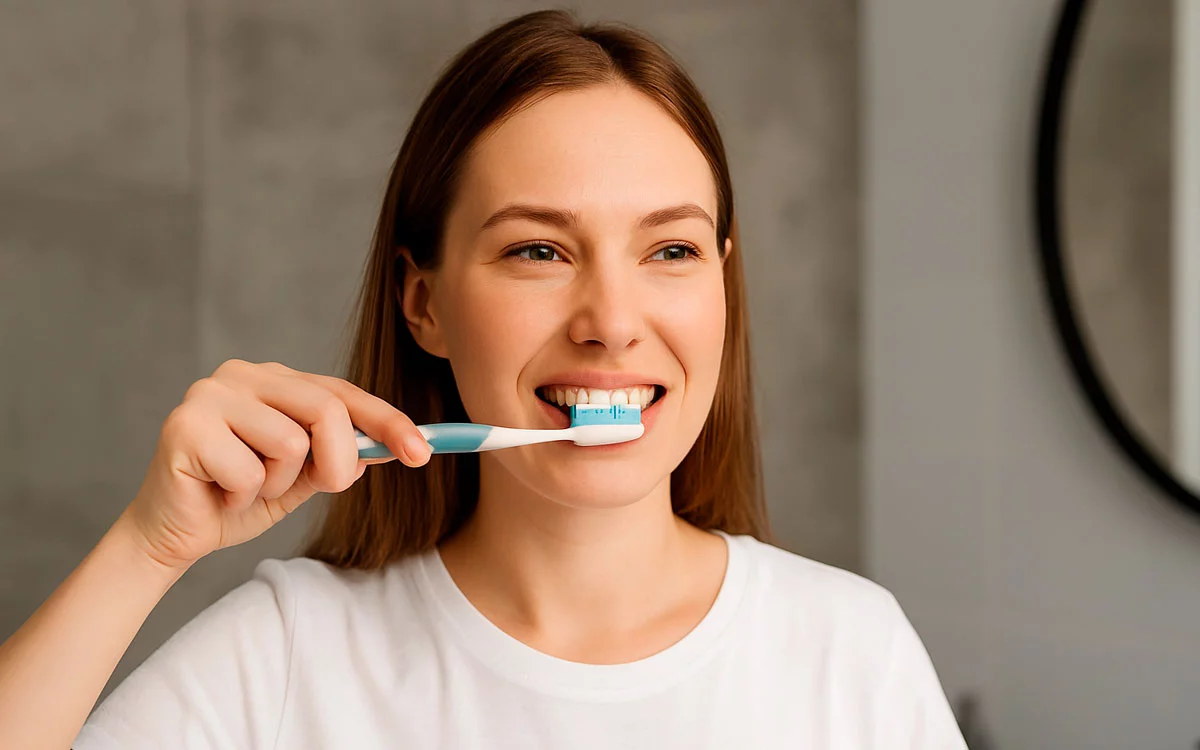
When to brush your teeth is a more important question than it seems. Although millions of people repeat this gesture every morning, most do so without knowing if they are choosing the right moment. According to experts, brushing your teeth before or after breakfast can make a big difference in the effectiveness of fluoride, the integrity of enamel, and the control of oral bacteria.
During the night, saliva production decreases. This dry environment is the perfect setting for bacteria to multiply, affecting breath and increasing the risk of cavities. In this context, some dentists claim that brushing before breakfast helps curb that bacterial growth and prepares the mouth for what is to come.
“Saliva helps remineralize teeth by providing minerals that are lost during the night,” explained Apoena de Aguiar Ribeiro, a microbiologist and pediatric dentistry specialist at the University of North Carolina. Additionally, it contains bicarbonate, which neutralizes acidity, one of the main causes of dental wear.
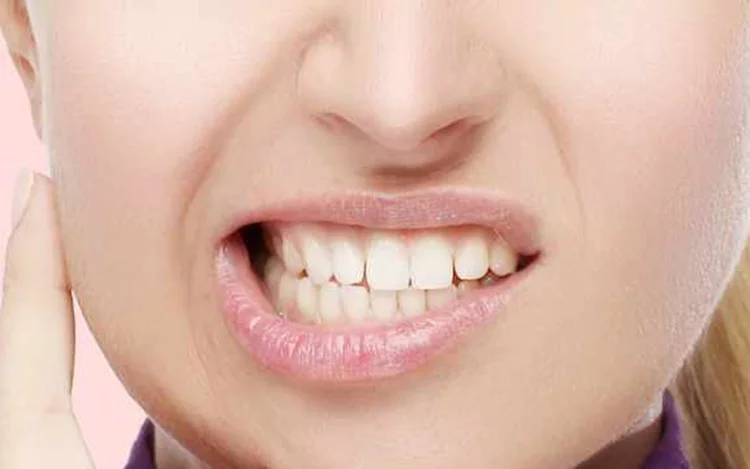
The risk of brushing after breakfast without waiting
Although it may seem more logical to brush your teeth after eating to remove food debris, doing so immediately after consuming certain products can be counterproductive. Especially if breakfast includes citrus juices, coffee, or bread.
“The acidity of these foods temporarily weakens enamel,” notes the Mayo Clinic. “Brushing right afterward can cause microscopic wear, increasing sensitivity and the risk of cavities.” In those cases, specialists recommend waiting at least 30 to 60 minutes before using the toothbrush.
Carlos González-Cabezas, a dentist and associate dean at the University of Michigan, warns: “In just 15 minutes of breakfast, accumulated bacteria combine with sugary foods, which can cause considerable damage.” Therefore, instead of brushing immediately, it is suggested to rinse the mouth with water to help restore pH before dental hygiene.
Fluoride, an ally that can be wasted
Another essential element in cavity prevention is fluoride. This mineral is present in most toothpastes and plays a key role in remineralizing enamel.
Aldo Squassi, associate dean of the Faculty of Dentistry at the University of Buenos Aires, points out that “fluoride slows the progression of cavities, and in early stages, it can even reverse them. But for its effect to be optimal, it is essential that it remains in contact with the teeth.”
For this reason, Squassi recommends not rinsing with water after brushing: “This habit reduces the effectiveness of fluoride, as it washes away a good part of its content.” Instead, it is preferable to spit out the excess toothpaste without rinsing the mouth.
Technique and frequency: how brushing style influences
Although many people believe that brushing more times a day is synonymous with better hygiene, the evidence does not confirm it. “It’s not about how many times you do it, but how you do it,” says Belén Barrego, a family doctor and lecturer at Austral University.
She recommends brushing at least twice a day, but emphasizes the quality of the technique. According to her experience, nighttime brushing is the most important, as it prevents the accumulation of bacteria during rest.
The use of appropriate brushes is also key. Squassi warns that some common mistakes, such as using very hard bristles or inappropriate interdental tools, can cause injuries to gums and enamel. A gentle yet effective technique, combined with soft-bristled brushes, is the best way to avoid damage.
What if cavities still appear? The problem may lie in the diet
Proper hygiene does not always guarantee the absence of cavities. This is because this condition is not only a result of cleaning but also of diet. “Cavities are a multifactorial disease, caused by a bacterial imbalance associated with frequent exposure to sugars and carbohydrates,” explains Squassi.
Thus, while brushing reduces the amount of biofilm (bacterial plaque), it does not eliminate the effects of constant consumption of processed foods. For this reason, both Squassi and Barrego agree that a diet low in refined sugars is essential for maintaining good oral health.
“The shorter the exposure time of teeth to sugars, the lower the risk of fermentation and cavity formation,” says Barrego. Therefore, she recommends brushing teeth as soon as possible after consuming products like juices, candies, cookies, and snacks.
Learning starts from infancy
Education in oral hygiene should begin at birth, asserts Barrego. “Even without teeth, gums can be cleaned with a damp gauze during bath time,” she indicates. Once the first teeth start to erupt, fluoride toothpaste can be introduced in minimal doses.
For children aged 0 to 3 years, the recommended amount is 1000 ppm of fluoride, in a dose the size of a grain of rice. Between the ages of 3 and 6, the concentration can rise to 1450 ppm, and the amount should be similar to a pea.
Topically applied fluoride not only strengthens enamel but also inhibits the development of bacteria. However, it should be used with caution: “Excessive use can lead to dental fluorosis, a condition that causes white spots on teeth,” warns Barrego.
So, when should you brush your teeth?
While there is no single valid answer for everyone, experts agree that brushing your teeth before breakfast can offer more benefits: it removes bacteria accumulated overnight, activates saliva production, and prepares the mouth to receive food. If one prefers to brush after breakfast, it is ideal to wait a minimum of 30 minutes or rinse with water to avoid enamel wear.
Improving oral health does not only depend on the act of brushing but also on when, how, and how often it is done. Diet, technique, type of brush, proper use of fluoride, and consistency are factors that, combined, make the difference between a healthy smile and dental problems.