What are turbulence in an airplane and how do they occur?
How and why the phenomenon of turbulence in the air occurs and how to avoid it: a guide to preventive measures in airplanes.
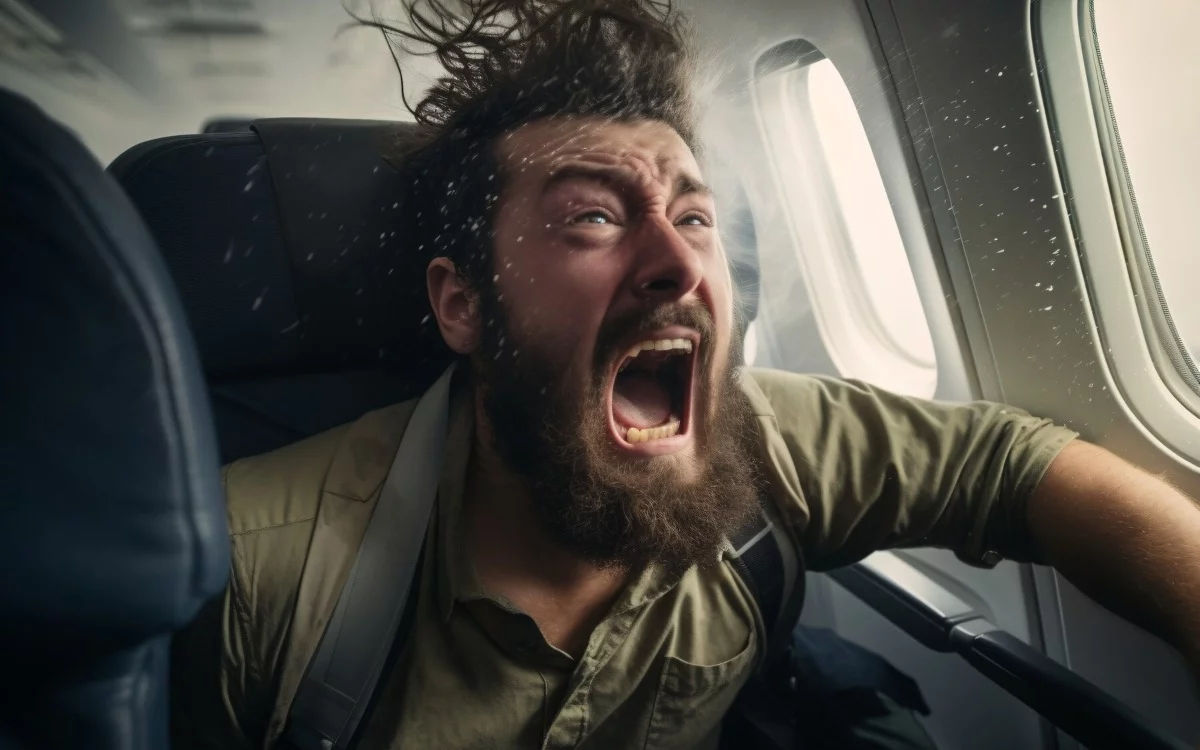
The turbulence in an airplane refers to irregular and unexpected movements of air that cause abrupt changes in the altitude or speed of the aircraft, leading to discomfort for passengers and crew. Although the experience can be alarming, these movements rarely pose a danger to flight safety due to the advanced design of airplanes and the training of pilots.
Turbulence occurs due to various natural and mechanical causes, with some of the most common being high-speed air currents, the presence of mountains, and temperature variations in different areas of the atmosphere.
Types of turbulence in an airplane and their causes
Each type of turbulence originates from different atmospheric, topographical, or mechanical conditions. Below are the most common types of turbulence and their specific causes:
Clear Air Turbulence (CAT)
This type of turbulence, known by its acronym in English CAT (Clear Air Turbulence), occurs at high altitudes and is often difficult to detect. It is common near jet streams, where masses of air move rapidly and create areas of irregular movement, especially around mountains. The invisible nature of these currents means that CAT turbulence cannot be detected by weather radars, increasing the surprise of its impact.
Convective Turbulence
Convective turbulence occurs due to convective activity, that is, the movement of warm air masses that rise rapidly in areas where the surface temperature is high. These conditions are especially common in areas with thunderstorms and on hot days when warm air rises and mixes with the cold air of the upper layers, causing turbulent movements. Pilots usually avoid these convective areas, but sometimes they may unexpectedly cross into them.
Orographic Turbulence
Orographic turbulence occurs when the wind collides with a mountain or a significant elevation in the terrain. This collision forces the air to rise, creating disturbances that are particularly felt during takeoff or landing in mountainous areas. This type of turbulence is common on flight routes that cross high mountain areas, such as the Alps or the Andes, and although they are not usually dangerous, they can cause abrupt movements in the aircraft.
Wind-Induced Turbulence
Wind-induced turbulence occurs when an airplane is in the wake of another. When flying through this disturbed air current, the second airplane experiences unstable movement. This happens especially during busy times on landing or takeoff runways and on flights that are very close to each other. To minimize this effect, air traffic controllers space out the takeoffs and landings of large and small aircraft.
Front Turbulence
Front turbulence occurs when air masses of different temperatures meet. The interaction between a warm front and a cold front can cause violent movements in the air, as the masses tend to move unevenly. These changes usually occur at mid-altitudes and in areas where the weather changes rapidly, such as coastal and mountainous regions.
Why does turbulence not pose a significant risk to safety?
The structure of modern airplanes is designed to withstand turbulence of all kinds. Both the structural strength and the flexibility of the wings allow airplanes to endure abrupt movements without compromising safety. Additionally, pilots are highly trained to respond to turbulence situations, adjusting speed or altitude according to conditions to minimize impact.
In general, turbulence represents a comfort challenge for passengers, but it is not usually dangerous thanks to advances in design and aeronautical technology. However, there are some recommendations for passengers and crew that help reduce risks and improve safety during the flight.
Safety measures for passengers during turbulence
For passengers, there are some key measures that can minimize the risk of injury in the event of severe turbulence:
- Keep the seatbelt fastened: Whenever seated, it is advisable to keep the seatbelt fastened, even if the sign is off. Unexpected turbulence can cause sudden and abrupt movements, and the seatbelt helps prevent possible injuries.
- Store personal items in compartments: To reduce the risk of injury, it is important to store heavy and electronic items in the overhead compartments or under the front seat, as they could fly out in the event of a sudden movement.
- Avoid walking in the aisle: During turbulence, it is best to remain seated. Turbulence can make walking dangerous and increase the risk of falls and bumps.
- Follow the crew's instructions: The crew is trained to handle these situations and knows how to act. Following their instructions helps all passengers remain calm and feel safe during moments of turbulence.
- Avoid hot drinks: In turbulence situations, hot liquids can easily spill, causing burns. For this reason, it is preferable to avoid them if turbulence is anticipated.
Crew precautions during turbulence
The crew plays a fundamental role in safety and managing turbulence on board, and they take a series of preventive measures to ensure the safety of everyone:
- Secure the cabin and compartments: Flight attendants must ensure that all luggage and items are securely stored in compartments, preventing them from becoming projectiles in the event of a sudden movement.
- Suspend food and beverage service: If the pilot anticipates turbulence, flight attendants suspend food and beverage service to avoid accidents and ensure that everyone can remain seated and safe.
- Constant communication with the cockpit: Pilots keep the crew informed about the duration and severity of turbulence, allowing the team to make informed decisions about safety measures.
How is turbulence anticipated?
To anticipate and avoid turbulence, pilots and navigation staff use a combination of weather radars, flight reports, and direct observation of atmospheric conditions. Onboard radar allows pilots to detect areas of instability and take measures to avoid zones with potential turbulence. Additionally, airlines and meteorological services specialized in aviation often provide detailed reports before each flight to assess possible turbulence zones on the scheduled route.
In case turbulence is unavoidable, pilots can adjust the speed of the airplane and change altitude to minimize impact. With these maneuvers, the experience for passengers and crew is more controlled and safe.