Washing machine: the ultimate trick to save energy and keep clothes spotless
Save energy with this natural and eco-friendly fabric softener in your washing routine.

Commonly used in the kitchen, white vinegar is also a fundamental ally for preserving the quality of garments and reducing energy consumption during washing.
In a context where energy efficiency and sustainability have gained prominence in households, high-consumption appliances, such as washing machines, are at the center of attention. With electricity prices constantly rising and growing concern for environmental impact, white vinegar becomes an economical, efficient, and natural alternative to improve washing results, reduce energy use, and care for the fibers of clothing.
White vinegar: an ally in efficient washing
Although its primary use is associated with cooking, the properties of white vinegar make it a valuable tool for various tasks in the home, including laundry. With the ability to remove stains, neutralize odors, and soften fabrics, vinegar presents itself as an option for those who wish to avoid harsh chemicals. Additionally, its use reduces the need for hot water in the washing machine, allowing for effective washes with cold or lukewarm water, thus saving energy.
Why is white vinegar so effective for washing clothes?
White vinegar stands out in the cleaning realm thanks to its composition: a solution of diluted acetic acid that acts as a disinfectant, bleach, and odor neutralizer. This allows this versatile product to thoroughly clean clothes without damaging fibers or colors.
Main benefits of including vinegar in washing
- Natural bleaching: One of the greatest benefits of white vinegar is its ability to whiten garments without chemicals. Ideal for light fabrics, vinegar gently removes yellow stains and dirt residues, helping to maintain the original color of the fibers.
- Removal of persistent odors: Garments, especially sportswear, often accumulate unpleasant odors from sweat or humidity. White vinegar neutralizes these odors without leaving artificial fragrances or chemicals, unlike some commercial fabric softeners that do not eliminate odor-causing particles.
- Natural softener without chemicals: Many fabric softeners contain chemicals that can irritate the skin and damage clothing over time. In contrast, vinegar naturally softens the fibers of garments without aggressive substances. This is especially useful for people with sensitive skin or allergies.
- Prevention of detergent residues: Over time, commercial detergents can leave residues on clothing and in the washing machine, affecting the performance of both. Vinegar helps dissolve these residues, leaving clothes and the washing machine free of product remnants, which increases washing effectiveness.
Saving energy by reducing hot water use
Traditionally, washing with hot water has been one of the most common ways to ensure the cleanliness of garments, although this method entails high energy consumption. However, the acetic acid in vinegar has the ability to dissolve stains and dirt in cold or lukewarm water, eliminating the need for hot water and significantly reducing electricity consumption. By using vinegar instead of hot water, not only is energy saved, but the fabrics are also cared for, which can be damaged or discolored when exposed to high temperatures.
How to use white vinegar in the washing machine
Incorporating white vinegar into the washing routine is simple and effective. There are different ways to take advantage of its properties in the process:
- In the wash cycle: Adding a cup of white vinegar to the wash cycle, along with the detergent, helps enhance the cleaning effect without additional products.
- As a softener: Instead of fabric softener, simply add half a cup of white vinegar to the corresponding compartment of the washing machine. The garments will come out soft and free of persistent odors.
- To remove tough stains: Before starting the wash cycle, soak stained garments in water with vinegar for 10 to 15 minutes. This allows the acetic acid to act directly on the stain, facilitating its removal.
Beyond savings: vinegar for a more eco-friendly home
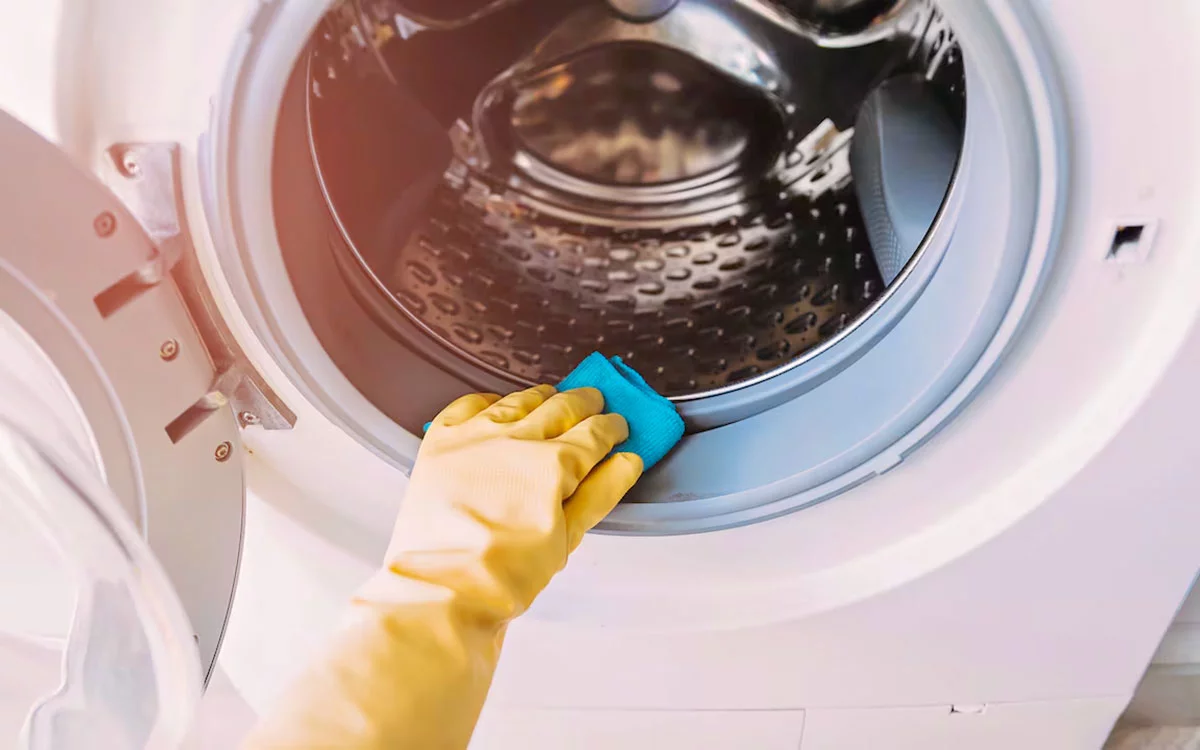
Choosing white vinegar as part of the washing routine has additional benefits. As a natural and biodegradable product, vinegar does not generate polluting waste or harm water, as some chemicals present in conventional softeners and detergents can. Its regular use in the washing machine also helps keep this appliance in good condition, as it dissolves the buildup of soap residues and prevents clogging in the pipes, resulting in more efficient and longer-lasting operation.
Other uses of vinegar in the home for deep cleaning
In addition to its application in the washing machine, white vinegar has countless uses in home cleaning:
- Disinfection of surfaces: Diluting vinegar in water is useful for disinfecting countertops and surfaces in the kitchen and bathroom, eliminating bacteria without abrasive products.
- Mold removal: Applying vinegar in humid areas helps prevent mold formation on surfaces, such as tiles and joints.
- Cleaning appliances: To clean the coffee maker or kettle, vinegar is a natural descaler that removes mineral deposits, leaving the appliances ready for optimal operation.
The washing machine and its impact on household energy consumption
While the washing machine represents a time and effort saver in household chores, its intensive use also entails significant energy expenditure, especially when using hot water cycles. Opting for alternatives like white vinegar to improve washing performance and reduce energy consumption allows for savings on the electricity bill and reduces the ecological footprint.
Tips for making the most of vinegar in laundry
To optimize the benefits of white vinegar in laundry, these tips can make a big difference:
- Use cold or lukewarm water cycles whenever possible, which not only reduces energy consumption but also helps preserve the colors and shape of garments.
- Do not mix vinegar with bleach or other chemicals, as it can produce undesirable reactions. Vinegar should be used alone or with non-reactive detergents.
- Apply vinegar directly in the washing machine drum or in the fabric softener compartment, to avoid possible effects on the detergent's aroma and to make the most of its properties.
Natural alternative for laundry
Using white vinegar in the washing machine is a simple and accessible way to achieve clean, fresh, and well-cared-for garments while saving energy. Its ability to function as a bleach, softener, and natural disinfectant, without the adverse effects of chemicals, makes it an indispensable ally in home cleaning. Additionally, it contributes to more responsible energy consumption and the conservation of the planet's resources.