Tourism in non-traditional destinations: the unexpected figure that reveals a change in Argentina
Tourism in non-traditional destinations grew in Argentina, and more than 40% of reservations on Airbnb were concentrated in rural areas.
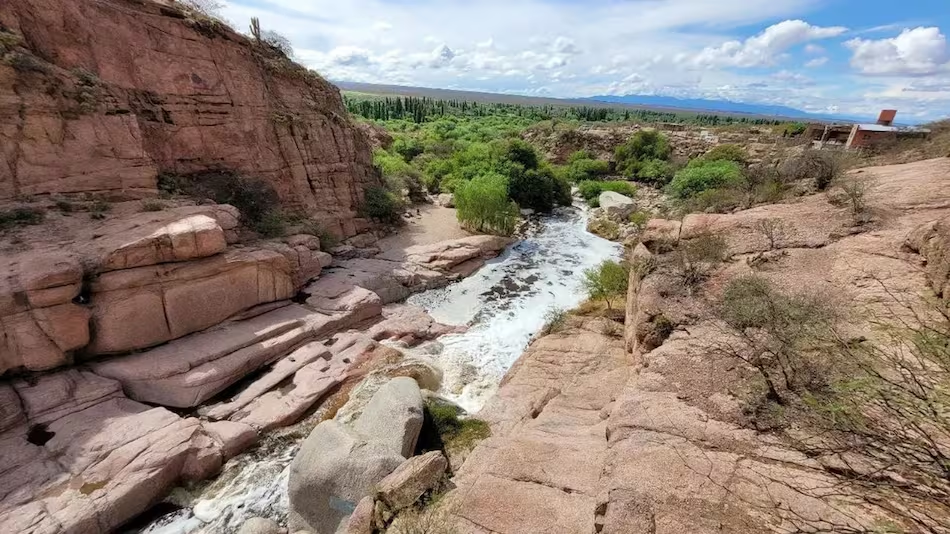
The tourism in non-traditional destinations that surprised in 2024
The tourism in non-traditional destinations marked a historic year in Argentina. Data from Airbnb showed that during 2024, travelers opted for routes outside the usual, leading the platform to record one of the most diverse periods in its history. More than 14,000 new destinations worldwide welcomed visitors, evidencing a much greater pattern of tourist dispersion compared to previous years.
In Latin America, the phenomenon was even more visible. More than 200 destinations received their first booking on the platform, consolidating a trend that favors small cities, rural towns, and locations far from major tourist hubs.
In the case of Argentina, the impact was significant: six locations welcomed guests for the first time through Airbnb. This reflected an openness to more authentic experiences and a rediscovery of the country from cultural, historical, and natural perspectives.
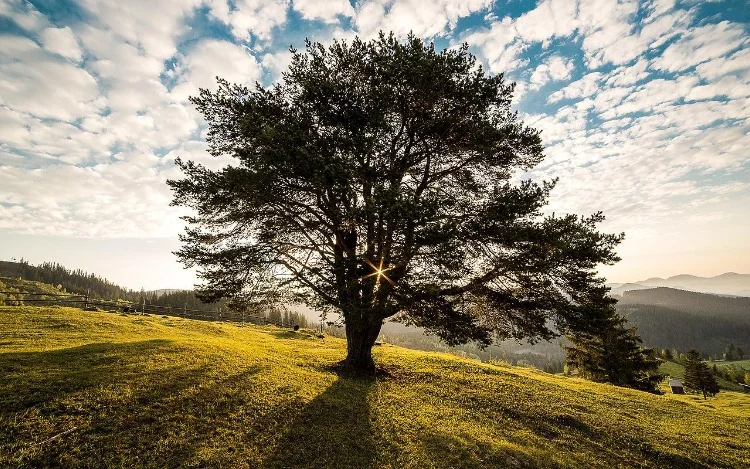
The new Argentine destinations that joined the platform
In 2024, six Argentine locations debuted as hosts on Airbnb, which not only represented a step in tourism diversification but also an opportunity for their communities.
- Choya, Santiago del Estero: recognized for its cultural diversity and strong connection to the country’s historical roots. Its landscapes offer ideal settings for ecotourism and rural exploration.
- Pomán, Catamarca: an arid environment, with ancient geological formations and unique natural settings. It is an attractive place for those seeking adventure tourism and archaeological experiences.
- Pilagás, Formosa: with its subtropical environment and lush biodiversity, it is a key point for ecotourism, water activities, and wildlife observation.
- Atreucó, La Pampa: the heart of the Pampas plain, offers agricultural tourism, experiences in traditional estancias, and an excellent space for birdwatching.
- San Blas de los Sauces, La Rioja: framed by a picturesque valley, this place combines mountainous landscapes with rural tranquility, local crafts, and direct contact with nature.
- Maipú, Chaco: located in the Gran Chaco, combines biodiversity with indigenous culture, generating proposals for ethnotourism and exploration activities in wetlands and forests.
Each of these destinations showed how Argentina can expand its tourism offering beyond traditional circuits, while also boosting the economy of regions often invisible on the international map.
More than 40% of bookings in rural areas
The most striking data of the year was that almost 40% of Airbnb bookings in Argentina corresponded to rural locations. This represents a radical change compared to previous years, when the main destinations were large cities or traditional tourist regions.
The novelty was not only in the preference of international visitors. Argentines themselves were also protagonists of this shift. More than 30% of local travelers booked in rural destinations and chose to explore corners of the country that until recently were unknown to most.
This movement confirmed a clear trend: the search for authenticity and out-of-the-ordinary experiences, with a strong inclination towards sustainable tourism and reconnection with the natural environment.
Why travelers choose the non-traditional
Analysts pointed out several factors that explain the rise of tourism in non-traditional destinations:
- Change in post-pandemic preferences: the need for open and less crowded spaces grew after years of health restrictions.
- Work flexibility: remote work allowed for longer stays in rural destinations.
- Cultural experiences: visitors valued direct contact with local communities, traditions, and regional cuisine.
- More accessible prices: accommodation costs in rural locations proved to be more competitive than in mass tourist hubs.
- Environmental awareness: many travelers prioritized sustainable activities and respect for the natural environment.
A spokesperson for Airbnb summarized the phenomenon with a clear phrase: “The next great destination will not necessarily be a big city, but a town that holds stories and nature waiting to be discovered.”
The economic impact on rural communities
The dispersion of tourism had a direct positive effect on regional economies. During 2024, the income of hosts in non-urban areas grew by around 40% globally, and Argentina was no exception.
Local hosts reported that the arrival of visitors allowed them to diversify their income. From family accommodations to gastronomic experiences or guided tours, tourism opened opportunities for businesses that previously did not exist.
In Catamarca, for example, families in Pomán opened accommodation spaces in old mansions, while in La Pampa, traditional estancias welcomed visitors interested in agricultural activities. These cases demonstrated how tourism can function as a driver of regional development.
A more balanced and diverse tourism
Another key point was that this growth allowed for a reduction in concentration in traditional destinations. Places like Patagonia, Bariloche, or the Atlantic Coast usually absorb the majority of tourist flow. With the incorporation of little-explored towns and provinces, activity was distributed more equitably.
For specialists, this decentralization is positive, as it favors a more balanced economic development and reduces environmental impact in overexploited regions.
How Argentina is preparing for this new stage
In light of this scenario, national and provincial tourism organizations are working on strategies to capitalize on the rise of alternative tourism. Among the most mentioned plans are the training of hosts, the promotion of emerging destinations at international fairs, and the strengthening of digital and road connectivity.
For its part, Airbnb announced that it will invest in tools to highlight rural destinations within the platform, so that more international travelers can discover them easily.
Meanwhile, provinces like La Rioja and Chaco are developing projects for sustainable and cultural tourism, focused on showcasing their natural wealth and traditions without losing authenticity.
What this transformation means for the traveler
The rise of tourism in non-traditional destinations means that travelers will have a much broader range of experiences. It is no longer just about choosing between the city of Buenos Aires or Patagonia, but considering rural towns, hidden valleys, or little-explored historical regions.
At the same time, it implies a challenge: learning to travel responsibly, respecting local culture and minimizing environmental impact. As a sustainable tourism expert highlighted: “The key is not to discover more places, but to do so without ruining what makes them special.”