This is the trait that distinguishes great leaders (and few possess it)
A leader is not defined just by their position, but by their impact. Discover the essential principles that make the difference between a boss and a true leader.
The key to leadership lies in the ability to influence
The true essence of leadership does not lie in power, but in the influence exerted over others. Throughout history, figures like Steve Jobs, Winston Churchill, and Mother Teresa of Calcutta have shown that leadership is built on credibility, vision, and, above all, consistency.
While each leader has their own style, there are universal principles that every great leader must know and apply. These are the foundations that have guided the best on their path to success.
1. Leadership has a limit: the law of the ceiling
A person's success will never exceed their leadership capacity. A clear example is that of Steve Jobs and Steve Wozniak at Apple. Although Wozniak was the genius behind the technology, it was Jobs who had the vision and leadership to take the company to the top.
2. Influence is the foundation of leadership
You don't need a title to be a leader. Mother Teresa of Calcutta did not hold a political or business position, but her credibility and commitment made her one of the most influential figures of the 20th century.
3. Leadership is built with consistency
Leaders are not born; they become one. Theodore Roosevelt, a sickly and weak child, worked for years on his physique and character until he became President of the United States and one of the most admired leaders in history.
4. Vision is key: the law of navigation
It's not enough to steer a ship; you must know where it's going. A good leader plans, anticipates, and guides their team. Jack Welch, former CEO of General Electric, summed it up: "Controlling the course is better than being controlled by it."
5. True leadership is service
Great leaders do not seek power, but rather to add value. Leonard Abess, former president of City National Bank, distributed his $60 million bonus among his employees as recognition of their loyalty and effort.
6. Without trust, there is no leadership
Trust is the fundamental pillar that holds an organization together. As General Schwarzkopf said: "Leadership is a combination of character and strategy. But if you must do without one, do without the strategy."
7. People follow the strongest leaders
Michael Jordan always wanted to play under the direction of Phil Jackson because he knew that a great leader helps others grow. True leaders inspire respect and admiration.
8. Intuition distinguishes a leader from a boss
Leaders know how to read the context and make bold decisions. Steve Jobs demonstrated this when he returned to Apple when the company was on the brink of collapse. His vision and intuition led him to revolutionize the industry with innovative products.
9. Talent attracts talent
Great leaders surround themselves with the best. When Barack Obama became president, he received over 300,000 job applications, a number far greater than that of his predecessor.
10. A leader connects with their people
George W. Bush lost the support of the American people after Hurricane Katrina because he failed to connect emotionally with the situation. In contrast, after the September 11 attacks, his closeness to the victims and rescuers garnered him great support.
11. The inner circle determines a leader's success
Obama surrounded himself with an exceptional team, including figures like Hillary Clinton and Warren Buffett. A leader can only go as far as their team allows.
12. Great leaders are not afraid to empower others
Henry Ford's heir did not allow his team to shine for fear of being overshadowed. In contrast, strong leaders empower others because their goal is the success of the team, not their own.
13. Leadership is demonstrated by example
Generals like George S. Patton and Erwin Rommel led from the front, inspiring their troops. Words motivate, but example pulls.
14. People first follow the leader, then the ideal
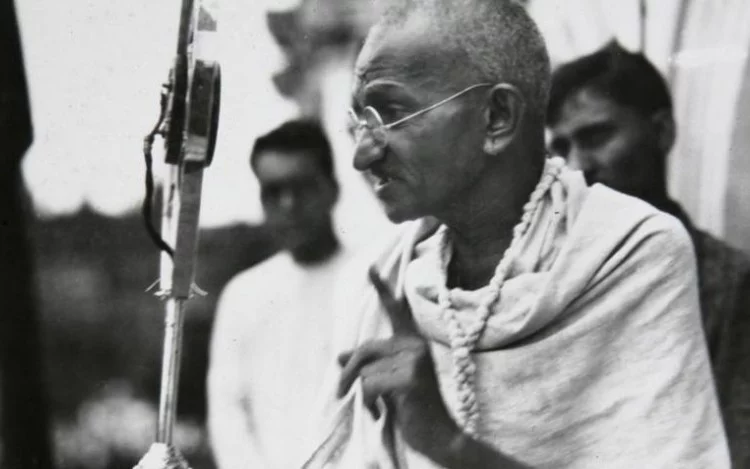
Gandhi achieved India's independence thanks to his charisma and leadership. People trust the leader before they trust their cause.
15. A leader does not accept defeat
Winston Churchill never gave up in his fight against Nazism, even when everything seemed lost. A leader always finds a way to win.
16. Motivation drives success
Pixar took nine years to achieve its first major success with Toy Story, but Steve Jobs maintained the motivation and vision to reach the goal. A leader's drive can change everything.
17. Knowing how to prioritize is key
Constant activity does not guarantee results. A leader knows how to differentiate between the urgent and the important to focus on what truly makes an impact.
18. All leadership involves sacrifice
Being a leader means making difficult decisions and sometimes giving up comforts for the benefit of the team. There is no leadership without commitment.
19. Knowing when to act is essential
In the Civil War, General Robert E. Lee missed a great opportunity by waiting too long. Leadership is also a matter of timing.
20. A leader not only creates followers but new leaders
Jesus of Nazareth not only preached his message but formed disciples who expanded it. The best leaders multiply their impact through others.
21. Legacy defines a leader's greatness
Mother Teresa of Calcutta left a legacy that endures beyond her life. A leader thinks not only of the present but of the impact they will leave in the future.
The keys to leadership that truly matter
Leadership is a path of learning, effort, and dedication. It is not about exercising authority, but about inspiring, guiding, and transforming others. Those who master these principles not only achieve success but leave an indelible mark on history.