This habit in the windows could be changing what happens in your home (and no one is telling you).
Hanging bags filled with water in windows is a viral trick to scare away insects, but does it really work? Discover the explanation behind the method.

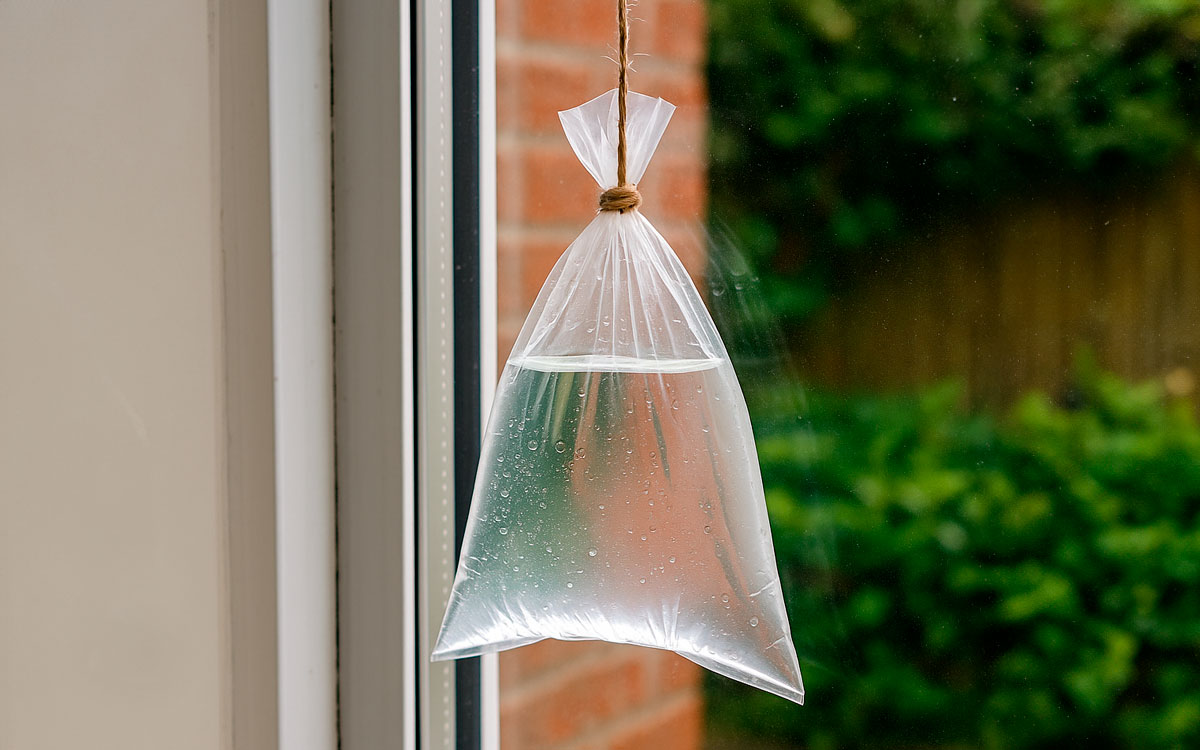
In recent years, hanging bags filled with water in windows has become one of those home tricks that sparks curiosity and debate. The scene is increasingly common: in homes, patios, and terraces, transparent plastic bags filled with water can be seen, suspended right where the most sunlight enters or where insects tend to linger. What is this method for, and why do so many people recommend it, despite the lack of solid scientific evidence?
The origin of the trick and why it became popular
Placing bags filled with water in windows is a practice that emerged from popular wisdom. Neighbors and families passed it down orally, claiming it served to scare away flies and other insects. With the advent of social media and viral videos, the custom quickly spread across different regions. “My grandmother always did it every summer,” many recount, convinced that the flies disappeared when they hung the bags.
Why is it supposed to work?

The most cited explanation states that the water in the bags produces light reflections that disorient flies. According to this theory, the compound eyes of these insects perceive the flashes as a threat or an obstacle, causing them to avoid approaching the window. Some go further and add coins inside the bag, believing that the visual effect will be even greater and the reflection more powerful.
What does science say about hanging bags filled with water in windows?
So far, there are no conclusive scientific studies that support the actual effectiveness of this method. Several entomologists explained that it could be a placebo effect: those who apply the trick feel there are fewer flies, but objective measurements do not always show a significant reduction in insects. In the words of specialist Luis Ferrer, “the perception of success often depends more on expectation than on a real decrease in pest presence.”
Ecological methods against insects: the truth behind popular solutions
The most popular variants of the method
The trick of water bags has accumulated variants over time. Some people prefer to place the bags at face level, claiming that is where insects are most concentrated. Others add coins, as mentioned before, or combine the method with frequent window cleaning to maximize the effect. There are even those who use bottles instead of bags, seeking greater stability or a more discreet aesthetic.
Where in the house do they recommend hanging the bags?
The most common practice is to place the bags filled with water in windows and doors where the presence of flies is usual, especially in kitchens, dining rooms, or areas that open to the garden. The idea is to intercept the insects' passage right at the access points, using natural light to intensify the reflections of the water.
The debate between homemade and professional
Those who advocate for the use of bags filled with water argue that it is an economical, ecological, and simple resource. It does not require chemicals or toxic products, making it an attractive alternative for families with children or pets. However, pest control specialists warn that if the problem persists, it is advisable to consult a professional exterminator. Homemade methods can provide temporary relief, but in severe cases, they are often insufficient against large infestations.
The homemade trap with vinegar, sugar, and water: the recommended alternative
When water bags do not work, many people resort to another effective and simple trick: the vinegar, sugar, and water trap in a plastic bottle. This technique takes advantage of the sugar's appeal to flies and the repellent action of vinegar. Preparing it is simple:
- Mix water, vinegar, and sugar.
- Cut a plastic bottle about 10 cm below the cap.
- Invert the top part of the bottle to function as a funnel.
- Fit the funnel into the base and seal the joint with adhesive tape.
- Pour the mixture inside.
- Place the trap in areas where you notice more insect presence.
The combination of ingredients attracts flies, which enter the bottle and can no longer escape. This solution tends to have greater support among those seeking quick and visible results.
Myth or real solution? What you should keep in mind
Although the trick of hanging bags filled with water in windows continues to divide opinions, there is no doubt that it has set a trend. Many families continue to trust this method, while others prefer more proven solutions or the intervention of professionals. In any case, what is important is to understand the foundations and limitations of each technique before applying it at home.