They will repave the busiest route in the country that crosses a key destination, benefiting thousands of vehicles that travel it daily.
Ccomenzó the work that many were waiting for and will change a key corridor sooner than expected.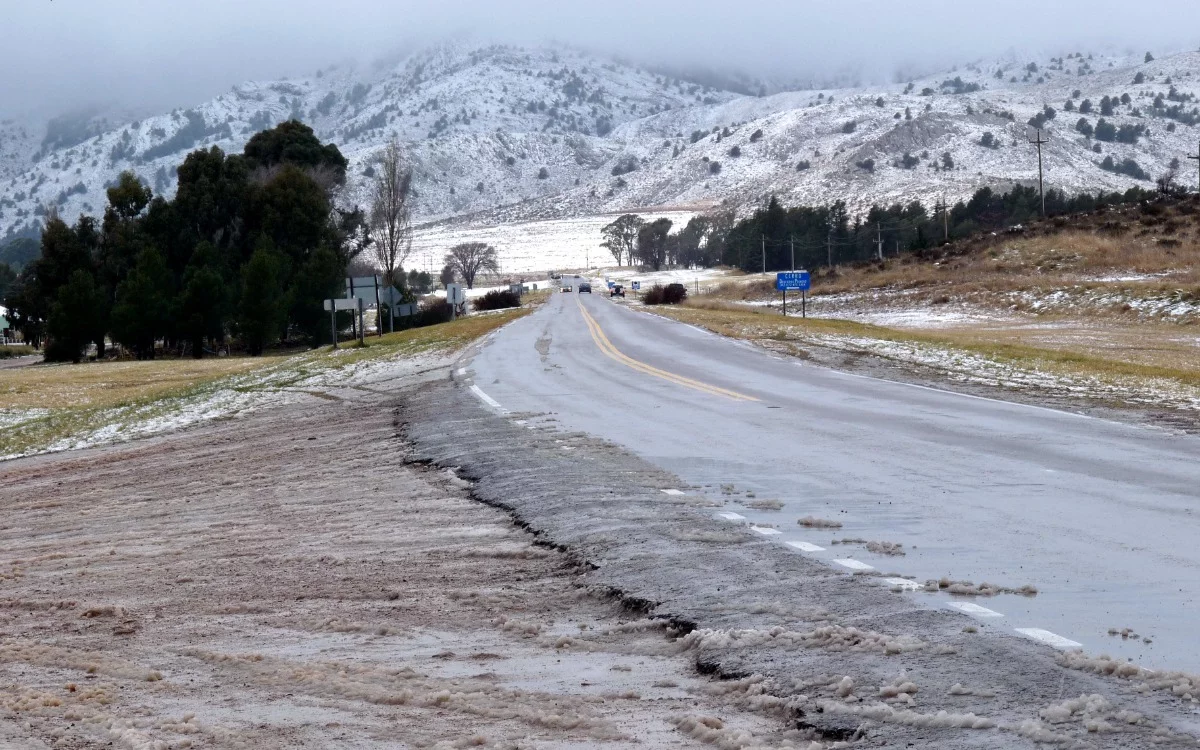
The Provincial Route 76 has initiated a strategic repaving that will improve road safety and transportation in one of the busiest corridors in southern Buenos Aires.
This road corridor began to transform with an infrastructure project aimed at improving traffic flow in one of the most traveled areas in the southern part of the province of Buenos Aires. The project is already underway and aims to renew a key section that connects productive areas with highly visited tourist destinations.
The intervention is part of an infrastructure plan promoted by the government of the province of Buenos Aires to strengthen the road network and improve connectivity between different districts of the Buenos Aires territory.
The project includes the repaving of a strategic section of this road within the district of Coronel Suárez. In total, the work will cover 38 kilometers of the route, a segment considered essential for both freight transport and tourist movement in the mountainous region.
Provincial authorities explained that the initiative aims to optimize road safety, facilitate the circulation of trucks linked to agricultural production, and improve access for tourists visiting the area year-round.
How the repaving of Provincial Route 76 will be
The intervention project on Provincial Route 76 includes different stages of work to completely renew the state of the road corridor.
According to the technical plan, the first 30 kilometers of the section will be repaved, while the remaining 8 kilometers will be completely reconstructed using material recycling techniques.
This method involves reusing part of the existing materials in the pavement structure to create a new base. The technique helps reduce the environmental impact of the work, optimize available resources, and extend the lifespan of the road.
In addition to repaving, the project includes other important improvements for road safety.
Among the planned works are:
- Paving of shoulders along the intervened section
- Structural repair of seven bridges located along the route
- Installation of new lighting at the intersection with Provincial Route 85
- Complete renewal of horizontal and vertical signage
These interventions aim to improve traffic conditions and reduce risks in a corridor that is used daily for freight transport and private vehicles.
A key corridor for transport and tourism
The Provincial Route 76 plays a strategic role within the road network of southern Buenos Aires province.
According to data from the Buenos Aires Road Authority, approximately 1,700 vehicles per day travel through this corridor.
A significant portion of that flow corresponds to trucks linked to agricultural and livestock activities, one of the economic engines of the region.
The rest of the traffic is mainly related to tourism.
The road serves as an access route to the mountainous area of southwestern Buenos Aires, a region that attracts thousands of visitors each year due to its natural landscapes and outdoor activities.
Among the most well-known tourist destinations connected by this route are Sierra de la Ventana and Villa Ventana, two towns that are part of the Ventania mountain system.
The improvement of the road corridor seeks to facilitate access to these destinations and promote the development of regional tourism.
A boost for regional development
Beyond the impact on daily traffic, the project also aims to strengthen the economic development of southwestern Buenos Aires.
Provincial roads play a central role in connecting rural areas, production centers, and intermediate cities.
In the case of Provincial Route 76, its function is especially relevant as it links agricultural and livestock areas with other strategic routes in the country.
By improving traffic conditions, the work will optimize freight transport and reduce travel times for regional production.
This is crucial for activities such as agriculture, livestock farming, and the agri-food industry, sectors that depend on efficient road infrastructure to transport their products to logistics centers and ports.
The route of Provincial Route 76
The Provincial Route 76 has a total length of approximately 315 kilometers within the Buenos Aires territory.
Its route connects the district of Olavarría with the provincial border towards La Pampa.
Along its path, it crosses several districts in the interior of the province, including:
- General La Madrid
- Tornquist
- Puan
During its journey, the road also passes through historical towns and places that are part of the identity of the Buenos Aires interior.
Among them, Cura Malal and López Lecube stand out, small towns with a strong rural tradition.
The road also connects with important tourist points in the mountainous region, such as:
- Villa Ventana
- Sierra de la Ventana
- San Andrés de la Sierra
- Villa Serrana La Gruta
These destinations are part of one of the main nature tourism circuits in the province of Buenos Aires.
Connection with other strategic routes
The importance of Provincial Route 76 also lies in its connection with other relevant road corridors.
One of them is National Route 33, one of the longest roads in the country.
This route is approximately 795 kilometers long and connects the city of Bahía Blanca with Rosario, crossing important productive areas of Argentine territory.
Thanks to this connection, Provincial Route 76 integrates into a transportation system that allows for the movement of goods from agricultural interior to urban centers and strategic ports.
This articulation between provincial and national routes is essential for the functioning of the country's logistics system.
Road infrastructure and safety
The repaving of the corridor also aims to improve the safety of drivers who travel daily through the area.
The wear of the pavement, lack of lighting in some sectors, and deteriorated signage can increase the risk of accidents.
For this reason, the project includes the complete renewal of horizontal and vertical signage, as well as the installation of lighting at critical points such as the intersection with Provincial Route 85.
These improvements will allow for safer circulation both during the day and at night.
Additionally, the paving of shoulders will provide extra space for emergency maneuvers and facilitate the circulation of heavy vehicles.
A long-awaited project in the Buenos Aires interior
The intervention on Provincial Route 76 is part of a set of works aimed at improving road infrastructure in the interior of the province of Buenos Aires.
In many rural areas, provincial roads represent the main link between local communities and urban centers.
For this reason, repaving and maintenance projects often have a direct impact on the daily lives of thousands of people.
The improvement of this corridor will strengthen regional connectivity, boost tourism in the mountainous area, and optimize the transport of agricultural production.
What is being done?
The work covers 38 kilometers of the section that crosses the district of Coronel Suárez, divided into two types of intervention: conventional repaving in the first 30 km and total reconstruction with recycled material in the remaining 8 km. This latter technique aims to reduce environmental impact and extend the lifespan of the roadway.
Additional works include paving of shoulders, structural repair of 7 bridges, new lighting at the intersection with RP 85, and complete renewal of horizontal and vertical signage.
Who benefits?
Approximately 1,700 vehicles per day travel through this corridor, including agricultural-livestock freight transport and tourists heading to mountainous destinations such as Sierra de la Ventana and Villa Ventana.
The route in context
RP 76 has 315 km of total length and connects Olavarría with the provincial border towards La Pampa, crossing General La Madrid, Tornquist, and Puan. Its importance is twofold: tourist, for access to the mountainous region, and productive, for its connection with National Route 33 (Bahía Blanca–Rosario, 795 km).