The purple flower plant that transforms your garden into a magnet for butterflies and hummingbirds.
If you're looking for a resilient, vibrant plant that requires minimal maintenance, comfrey is your best ally.
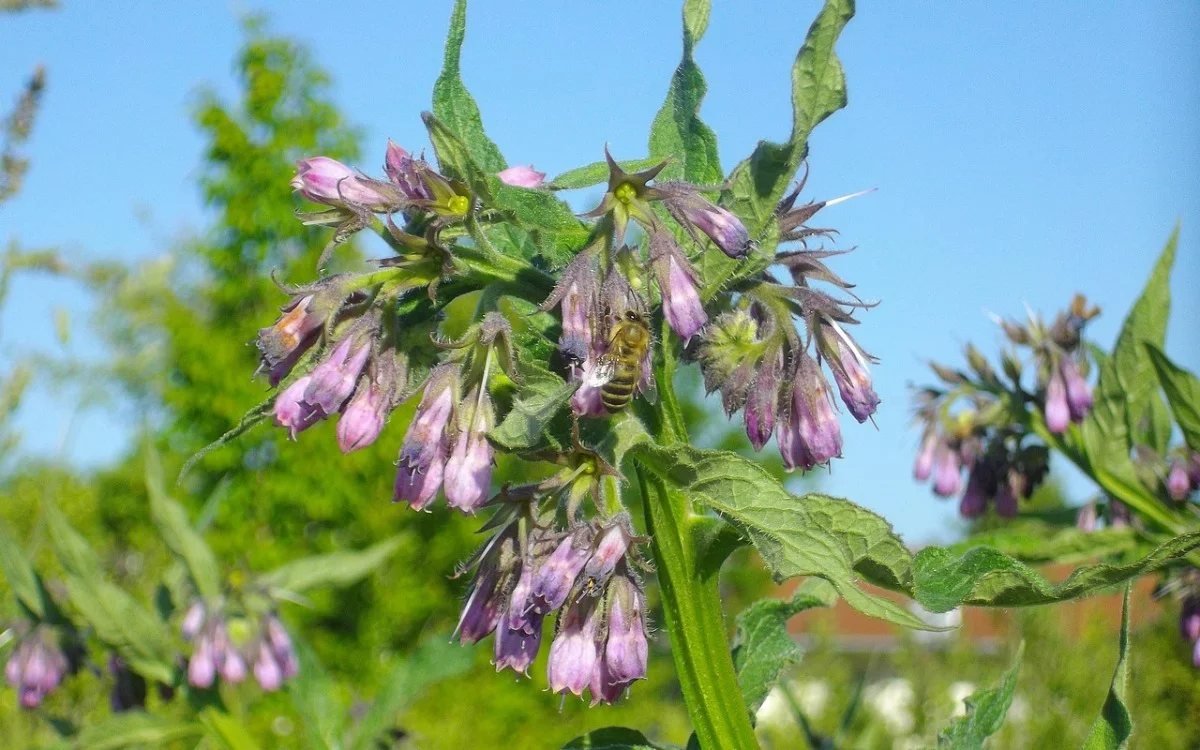
This perennial specimen with purple flowers not only adds a touch of elegance to your green space but also attracts butterflies, hummingbirds, and bees, turning any garden into an ecosystem full of life and color. Additionally, its ability to survive without homemade fertilizer makes it ideal for those who prefer practical and sustainable gardening.
What makes comfrey special
Native to Europe and gaining popularity in Latin America, comfrey has earned a prominent place among the favorite plants of expert and amateur gardeners. According to the specialized site PictureThis, this plant is resilient, easy to care for, and adapts well to various conditions, as long as it receives the right moisture and light.
Proper watering:
Comfrey is a plant that thrives in moist environments. While it prefers regular watering, its ability to retain water in its leaves makes it resistant to short periods of drought. To keep it healthy, it is recommended to ensure that the soil maintains a constant level of moisture, especially during the warmer days.
Essential lighting:
This specimen needs abundant direct sunlight to reach its full potential. Placing it in a spot where it receives several hours of sun each day will ensure not only its growth but also a more vibrant flowering. A fascinating curiosity is that comfrey leaves can orient themselves towards the sun, ensuring they capture the necessary light to stay strong and healthy.
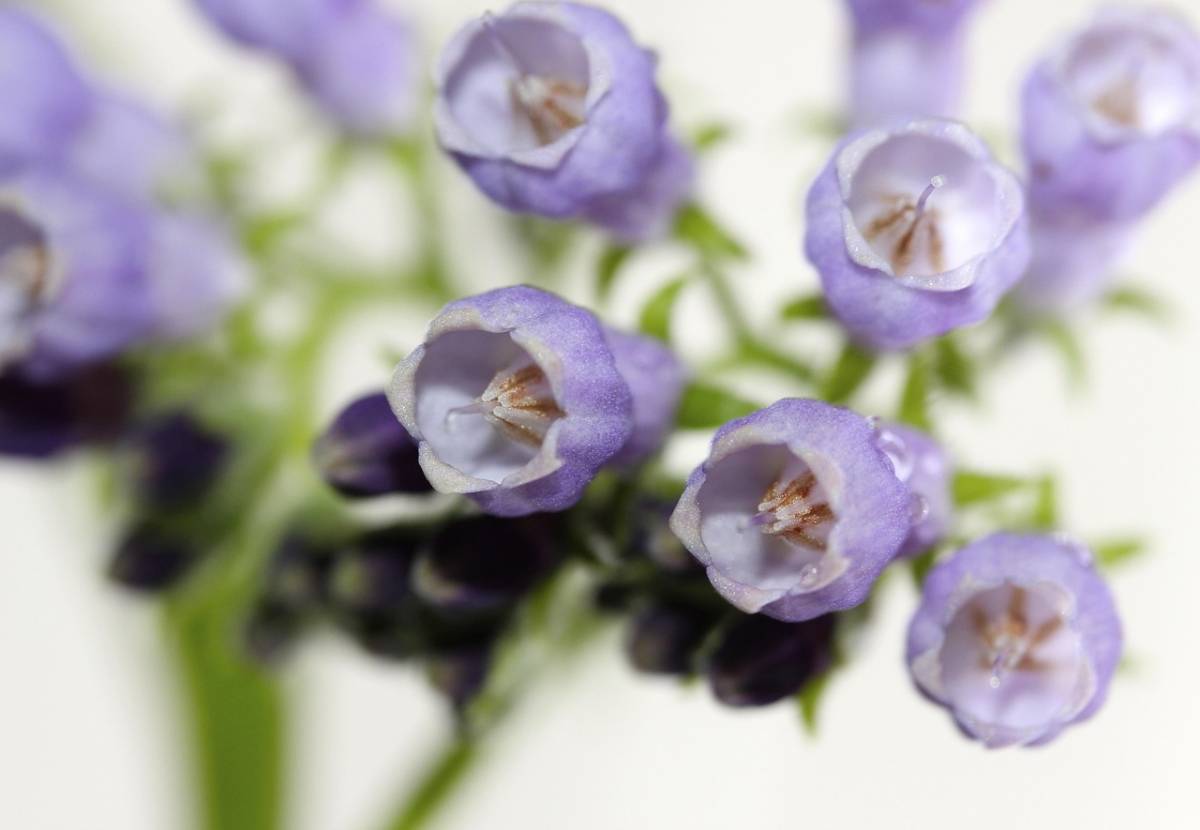
Comfrey: the plant that doesn't need fertilizer and attracts wildlife
Deep roots and self-sufficiency
One of the most notable features of comfrey is its deep root, which allows it to extract nutrients such as potassium, calcium, and phosphorus from the lower layers of the soil. This unique ability makes it independent of homemade fertilizers or additional fertilizers, reducing maintenance time and costs.
Additionally, the nutrient-rich leaves of comfrey can be used to prepare homemade compost. This compost is ideal for nourishing other plants in the garden or for improving the growth of vegetables in urban gardens, promoting a more self-sufficient and eco-friendly gardening system.
Attracts life to the garden
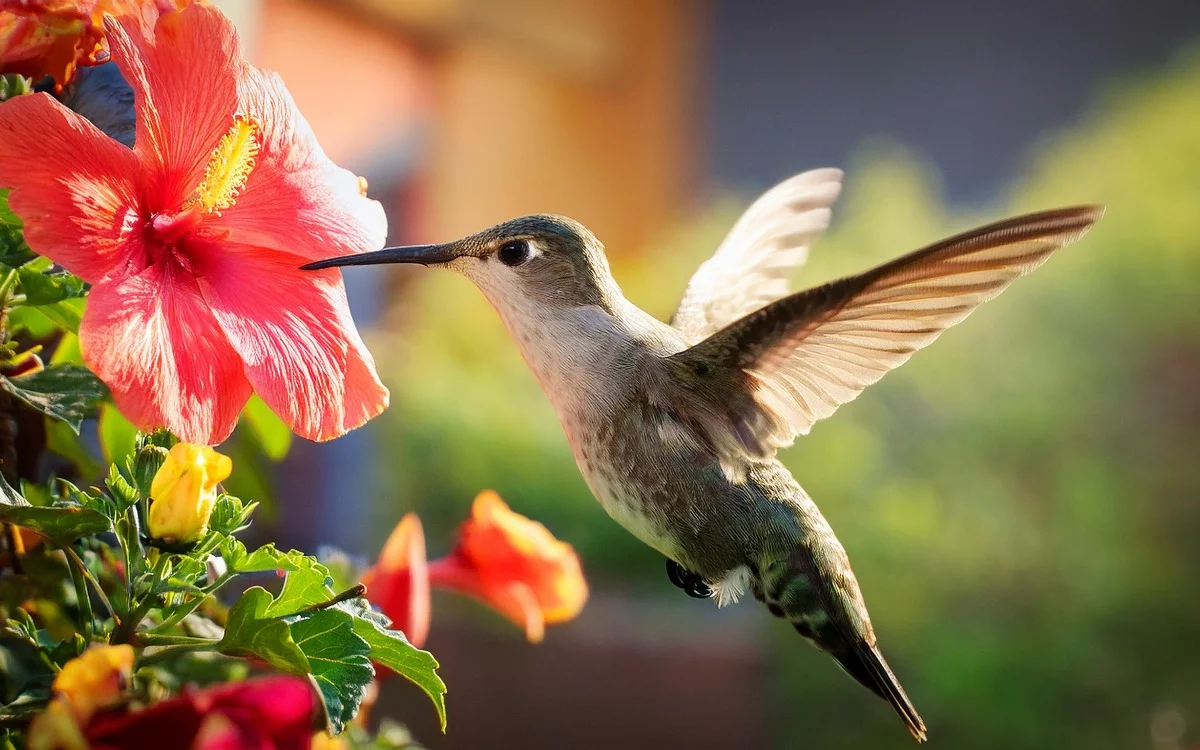
Beyond its beauty, the purple flowers of comfrey are a true magnet for pollinators such as butterflies, bees, and hummingbirds. These creatures not only add dynamism and life to the garden but also play a crucial role in the balance of the ecosystem.
The presence of pollinators not only beautifies the space but also benefits other plants, enhancing the pollination of flowers and vegetables. Thus, comfrey is not only decorative but also becomes a key resource for fostering a healthy and sustainable environment.
How to make the most of comfrey in the garden
If you decide to include comfrey in your garden, you will have a versatile and functional ally:
- Easy to care for: It only needs proper watering and good lighting.
- Does not require fertilizers: Its deep roots obtain all the necessary nutrients from the soil.
- Generates compost: The leaves of comfrey are ideal for preparing nutrient-rich compost.
- Attracts pollinators: With its flowers, it encourages visits from butterflies, bees, and hummingbirds.
- Sustainable: Helps reduce the use of fertilizers and improve the balance of the ecosystem.
Comfrey, a gem in the garden
In addition to its low care demands, comfrey stands out for its aesthetics and functionality. Its ability to capture nutrients, attract wildlife, and beautify the space makes it a perfect choice for gardeners seeking practicality without sacrificing natural beauty.
With purple flowers that light up any corner and a unique resilience, comfrey is more than just a plant: it is a natural resource that transforms the garden into a place full of life, color, and balance.