The plant that blooms almost all year round and fills your garden with life.
From spring to autumn, these wonders fill the garden with intense colors and bring a cheerful touch to any space.
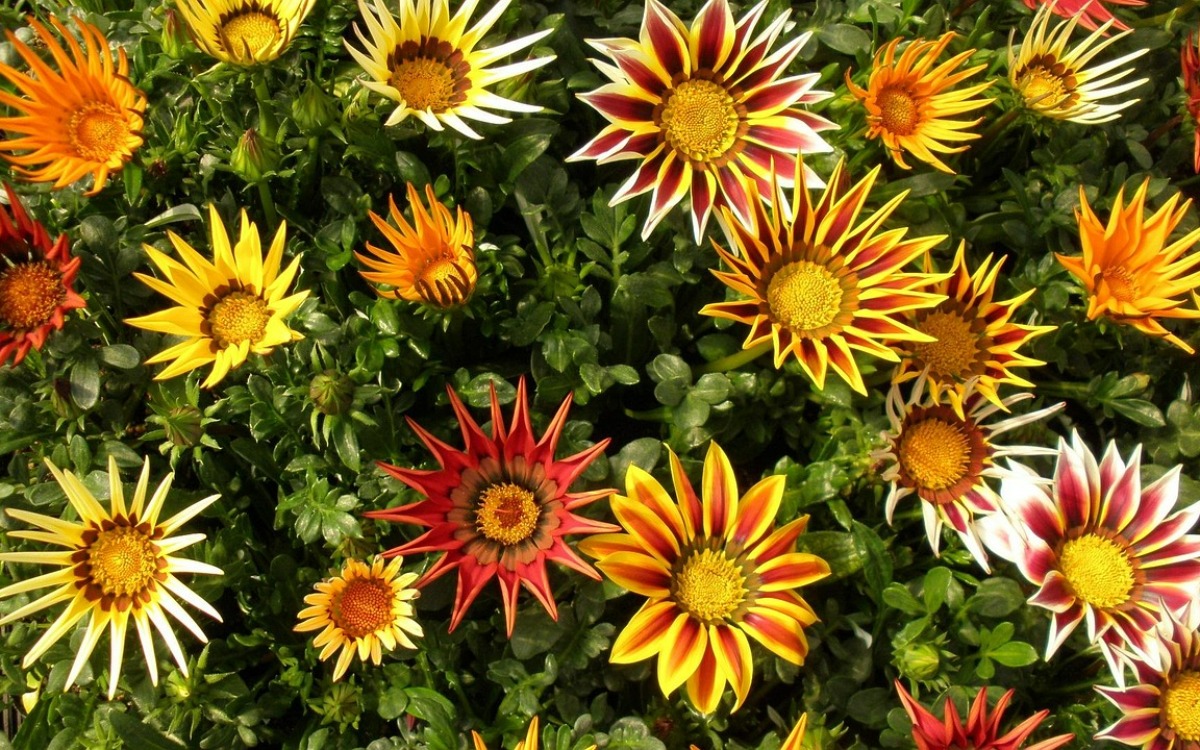
Gazania is the perfect option for those looking for a low-maintenance plant that provides vibrant flowers almost 365 days a year. From spring to autumn, these wonders fill the garden with intense colors and add a cheerful touch to any space. Native to southern Africa, they are also known as treasure flowers or African daisies, and have become favorites among gardeners for their resilience and ease of care.
Why choose gazanias for your garden
Gazania stands out not only for its stunning appearance but also for its ability to adapt to various climatic conditions. Its flowers, which can be yellow, orange, pink, purple, or even combinations of these colors, open during the day and close at sunset, offering a continuous natural spectacle.
According to The Spruce, a gardening specialized portal, these plants are ideal for warm climates and do not require much attention, making them perfect for both experienced gardeners and beginners.
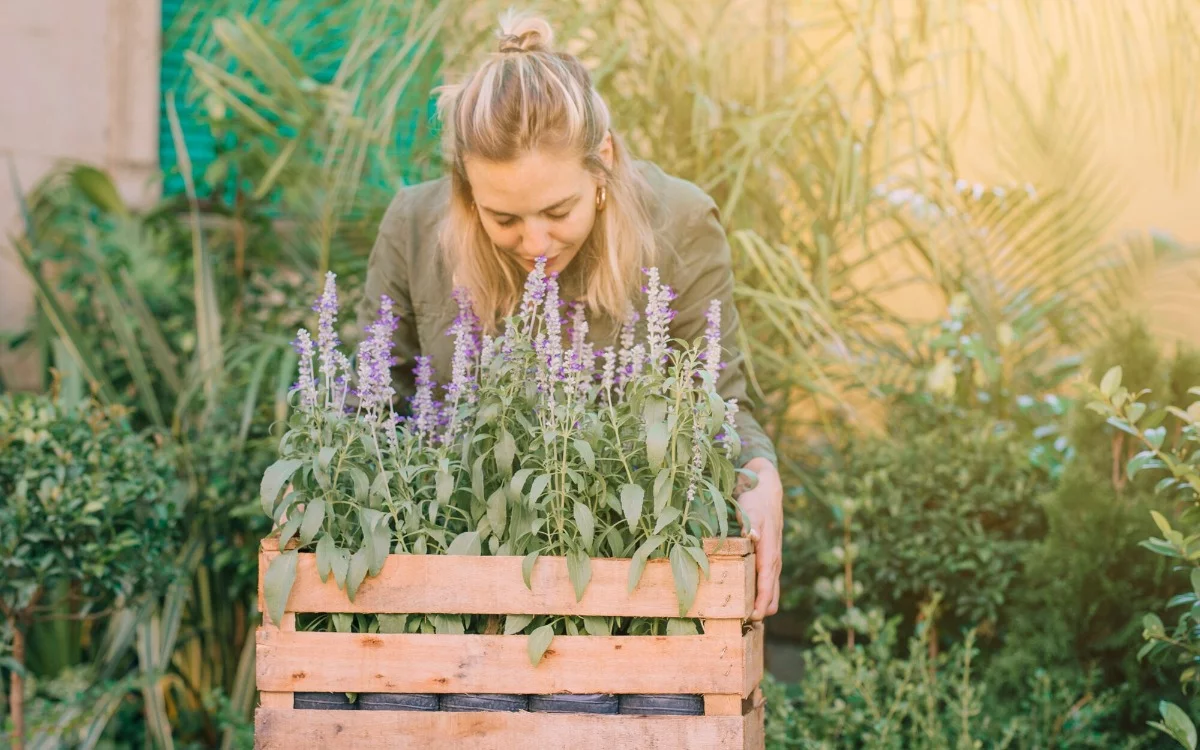
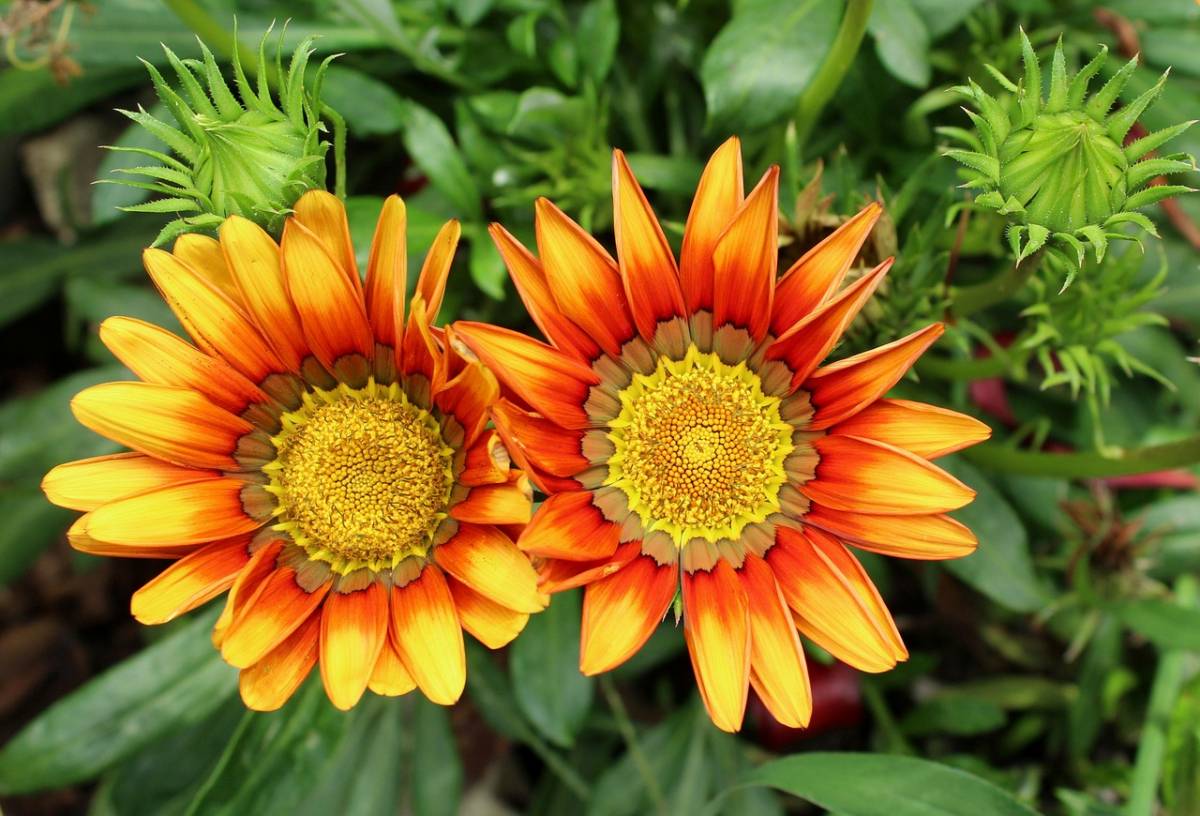
Gazanias: the secret to a colorful garden with little effort
Basic care to keep gazanias healthy
Moderate watering:
Gazanias tolerate drought well, but they need moderate watering to stay healthy. It is important to allow the soil to dry out between waterings to avoid root problems.
Direct sunlight:
These plants love the sun. Placing them in a spot where they receive direct sunlight for several hours a day will ensure more abundant blooming and brighter colors.
Well-drained soil:
Although they do not require nutrient-rich substrates, it is essential that the soil has good drainage to avoid waterlogging, which could affect their roots.
Heat resistance and caution in winter:
Gazanias thrive in warm climates and can withstand high temperatures. However, in regions with cold winters, it is advisable to protect them from severe frosts to avoid damage.
Pruning to encourage new flowers:
Removing wilted flowers not only keeps the plant tidy but also encourages new blooming, ensuring that the garden remains colorful for longer.
No need for fertilizers:
One of the most notable advantages of gazanias is that they do not require fertilization. They are adapted to nutrient-poor soils, which further simplifies their care.
How to easily propagate gazanias
Gazanias can be grown from seeds, nursery seedlings, or through cuttings, a simple method that allows you to enjoy new plants without complications:
- Harvesting cuttings: In autumn, select areas close to the base of the plant where there are new shoots.
- Preparing the cutting: Cut these shoots and plant them in pots with well-drained soil.
- Initial watering: Water moderately to keep the soil slightly moist.
- Proper location: Place the pots in a well-lit area, preferably with indirect light.
- Transplanting: In spring, when the weather conditions are optimal, transplant the gazanias to the outdoor garden.
Benefits of including gazanias in the garden
Vibrant colors all year round: These flowers offer a palette of warm and cheerful tones that brighten any corner, whether in pots, along pathways, or in flower beds.
Attraction of pollinators: In addition to beautifying the space, gazanias attract butterflies, bees, and other pollinators, promoting biodiversity and ecosystem balance.
Low maintenance: Their resistance to drought, poor soils, and high temperatures makes them a practical option for those looking to enjoy a garden without dedicating too much time.
Decorative versatility: They work well in rock gardens, sunny borders, hanging pots, or even as ground cover in sunny areas.
Gazanias: a treasure for any garden
Including gazanias in your garden is a simple way to ensure flowers for much of the year with minimal effort. Their ability to bloom from spring to autumn, their resilience, and their appeal to pollinators make them a spectacular choice.
With gazanias, your garden will be filled with life, color, and movement, becoming a space where nature shines at its best.