The mystery of Jacobo Grinberg and his connection to the "lattice" theory
Between neuroscience and its inexplicable disappearance: How did Jacobo Grinberg explain the mind-universe connection? What lattice theory reveals about perception and reality.
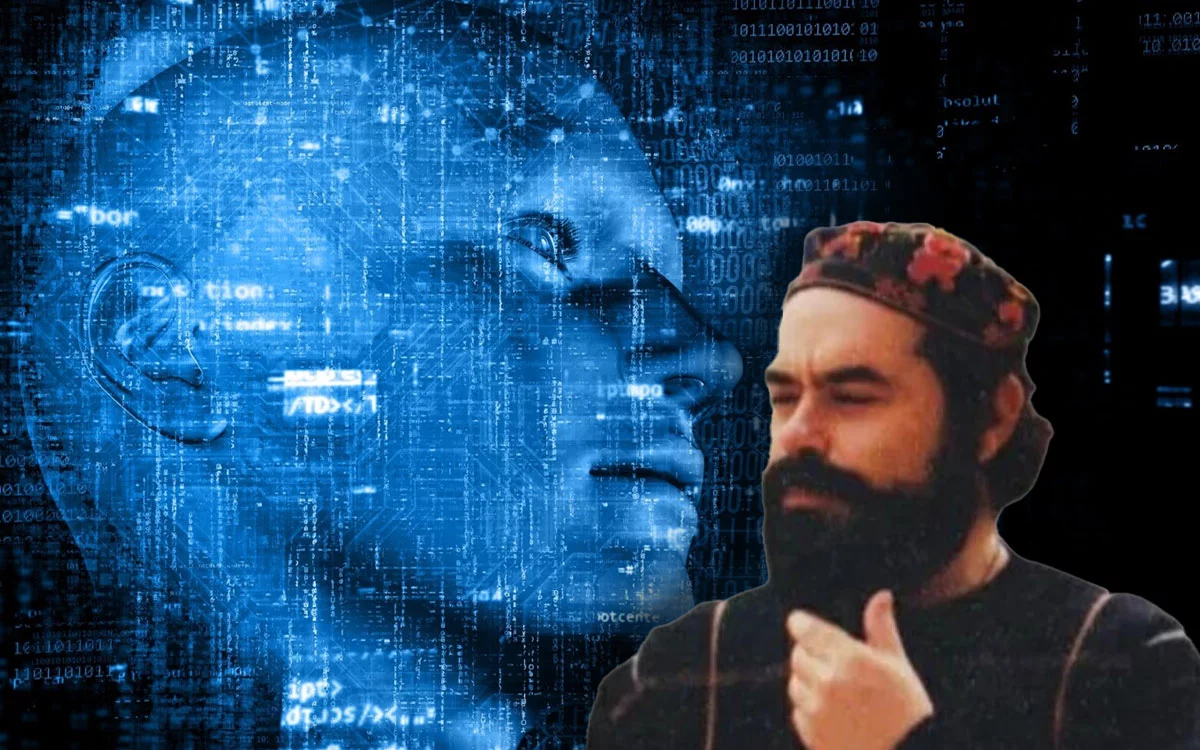
Jacobo Grinberg, a renowned Mexican psychologist and neurophysiologist, left a profound legacy in the field of consciousness and perception before mysteriously disappearing in 1994. His work, especially related to the theory of the lattice, has captured the imagination of scientists and curious minds alike. This theory, which attempts to explain the interconnection between the human brain and reality, represents a fascinating blend of neuroscience, quantum physics, and spirituality.
Grinberg dedicated his life to exploring the mysteries of the mind and how it interacts with the external world. In his research, he sought to demonstrate that reality as we perceive it is nothing more than a mental construct that depends on an energetic framework he called "lattice" or matrix. His theory not only challenges traditional notions of perception but also raises profound questions about the nature of the universe and consciousness itself.
What is the lattice according to Jacobo Grinberg?
The lattice, as described by Grinberg, is an energetic structure that connects everything that exists in the universe. According to his vision, this matrix is a network that interrelates the human brain with a universal dimension, allowing the mind to create and perceive reality. The theory holds that what we experience as "reality" is not an independent phenomenon but the result of a constant interaction between our perception and this energetic network.
In this model, the brain acts as a decoder that translates the vibrations of the lattice into images, sounds, and sensations that form our conscious experience. Grinberg argued that this network is the basis for understanding phenomena that go beyond conventional physics, such as mystical experiences, altered states of consciousness, and the healing powers observed in certain shamanic practices.
Influences and foundations of the lattice theory
The theory of the lattice is influenced by a variety of disciplines. Grinberg combined elements of modern neuroscience with the ancestral teachings of indigenous cultures in Mexico. In his studies with shamans, especially with the Mazatec healer María Sabina, he observed that these practices seemed to involve direct access to the matrix of reality.
On the other hand, his approach was also inspired by concepts from quantum physics, such as the idea that reality is not fixed but depends on the observer. According to Grinberg, this quantum idea resonates with the role of the human mind in creating sensory experience and accessing dimensions of reality that are normally hidden from us.
Transpersonal psychology, a field that explores the relationship between psychology and spirituality, also played a key role in his research. Grinberg believed that transcendental experiences were a bridge to understanding the lattice and that they could transform our understanding of the universe.
Experiments to test the lattice theory
One of Grinberg's most innovative experiments was the so-called "neural entanglement." Inspired by quantum entanglement, he proposed that two brains could synchronize through the lattice even when they were physically separated. To test this hypothesis, he conducted experiments in which two people meditated together and were then placed in separate rooms. According to his observations, when one of the individuals experienced a stimulus, the other showed a similar response in their brain activity, suggesting a connection beyond the physical.
Although these results were controversial and have not been conclusively replicated by conventional science, they opened a debate about possible non-local connections between human beings. This type of experiment earned Grinberg both admirers and critics, dividing opinions between those who considered his work visionary and those who viewed it as pseudoscience.
The mysterious disappearance of Jacobo Grinberg
The enigma surrounding Jacobo Grinberg is not limited to his theories; his own life ended as mysteriously as his research. On December 8, 1994, Grinberg disappeared without a trace. His home in Mexico City showed signs of having been abruptly abandoned, and since then there have been no clear clues about his whereabouts. His wife, Teresa Mandil, was named a suspect in the investigation, but the case was never clarified.
Grinberg's disappearance has fueled numerous theories, from government conspiracies to more esoteric hypotheses suggesting that his connection to the lattice led him to another dimension. While there is no evidence to support these claims, the lack of concrete answers keeps the mystery and interest in his legacy alive.
Cultural and scientific impact
Despite the controversies, Jacobo Grinberg's work remains a reference in the fields of neuroscience and spirituality. His books, such as The Conscious Brain and Reality Begins Through Perception, have inspired generations of researchers and thinkers interested in exploring the limits of the human mind.
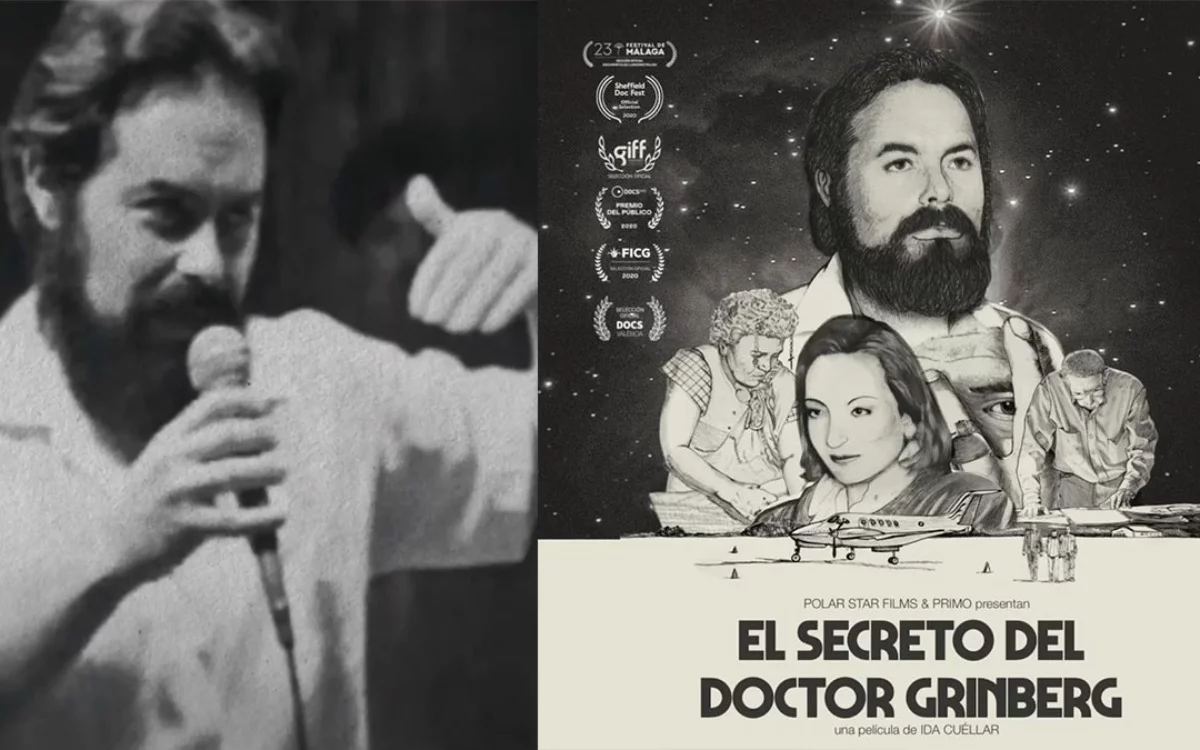
The rise of interest in topics such as quantum physics, meditation, and the mind-universe connection has given new momentum to Grinberg's theories in recent years. Documentaries, books, and podcasts have revisited his life and work, helping to keep his memory alive and fostering dialogue around fundamental questions about the nature of reality.
The lattice in today's world
The lattice, as a concept, remains a speculative but fascinating topic. Today, disciplines such as neuroscience, quantum physics, and spiritual practices continue to converge in their quest to understand reality from integrative perspectives. Researchers from diverse fields have revisited ideas similar to those of Grinberg, exploring the possibility that human perception and consciousness play a central role in shaping the universe.
@julianealborna You thought of that person and they called you out of nowhere. #julianealborna ♬ original sound - Julián Alborná
Although Grinberg's theories have not been scientifically validated, his work challenges traditional science to consider more open and multidisciplinary approaches. In a world where the boundaries between science and spirituality are blurring, the lattice remains a symbol of what is still to be discovered about the human mind and the cosmos.