The enigma behind Christ and the pineal gland: a bridge to spiritual enlightenment?
Although this analogy cannot be taken as a literal or scientific fact, it serves as a powerful metaphor to explore the potential of human consciousness and its connection to the divine.
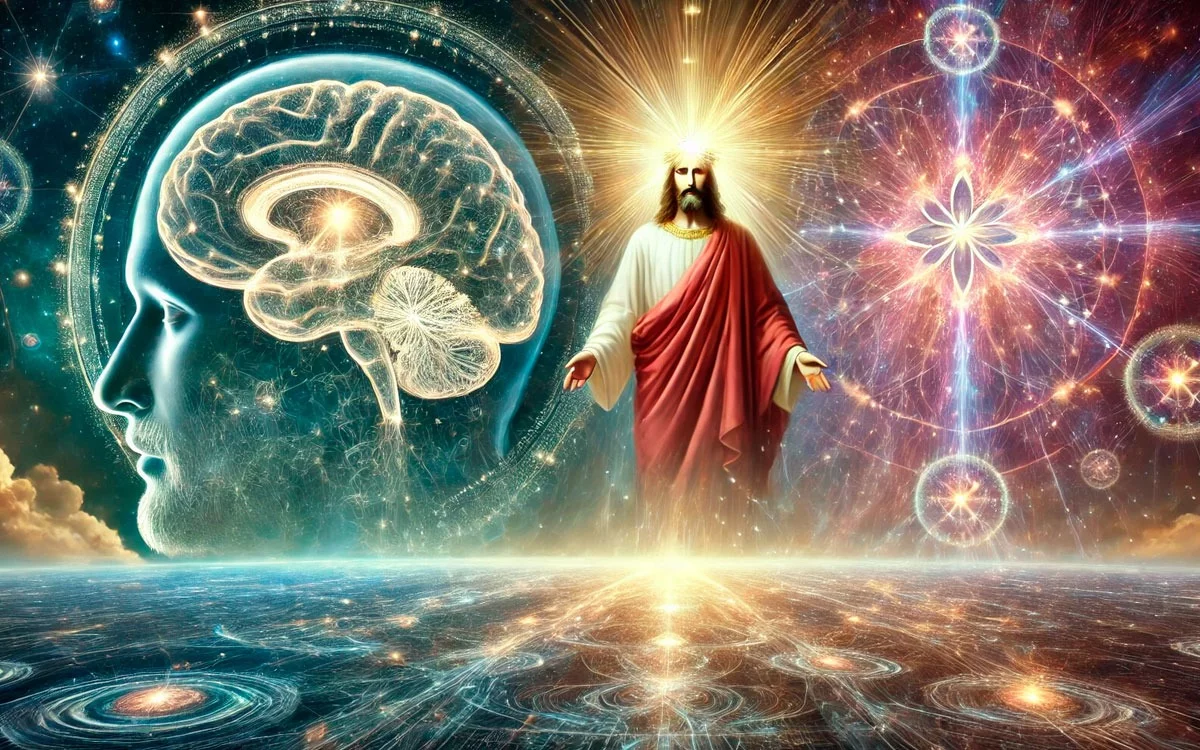
The symbolic relationship between Christ and the pineal gland has captured the attention of various spiritual traditions, merging mysticism, esoteric philosophy, and concepts of higher perception. This analogy suggests that both Christ and this tiny structure in the human brain represent pathways to spiritual transcendence. Below, we will explore the main points of connection between these two concepts, their implications, and the criticisms they have generated.
The Pineal Gland: A Spiritual Portal, According to Tradition
The pineal gland, located in the center of the brain, has been a subject of fascination since ancient times. Philosophers and mystics attribute functions to it that transcend its biological role, viewing it as a bridge between the physical and the spiritual. René Descartes, for example, referred to it as "the seat of the soul", suggesting that it was where the body and spirit united. In parallel, Christ, as the central figure of Christianity, is described as the mediator between the human and the divine, presenting a similar symbolism in his ability to connect different planes of existence.
Christ as Spiritual Illumination and the Activation of the Pineal Gland
In Christianity, Christ symbolizes light, spiritual awakening, and redemption. Similarly, in traditions such as Hinduism and Buddhism, the pineal gland is associated with the "third eye", considered a center of higher perception. According to these beliefs, activating the pineal gland would be equivalent to reaching a state of spiritual enlightenment, aligning with the idea of Christ as a guide to truth and transcendence.
The Inner Light and Its Connection to the Pineal Gland
In the Gospels, Christ is defined as "the light of the world", a concept that resonates with the functioning of the pineal gland, which regulates sleep cycles through the production of melatonin. This hormone, influenced by light perception, symbolically connects with the idea of an "inner light" that guides humans toward a deeper understanding of their existence, just as Christ illuminates the path to the divine.
The Crucifixion of Christ and the Transcendence of the Physical Body
Some mystics see in the crucifixion of Christ an act that symbolizes the overcoming of earthly limitations and the connection to a higher spiritual reality. Similarly, it is believed that the activation of the pineal gland represents a process of personal transformation, in which the individual transcends the physical to access higher levels of consciousness.
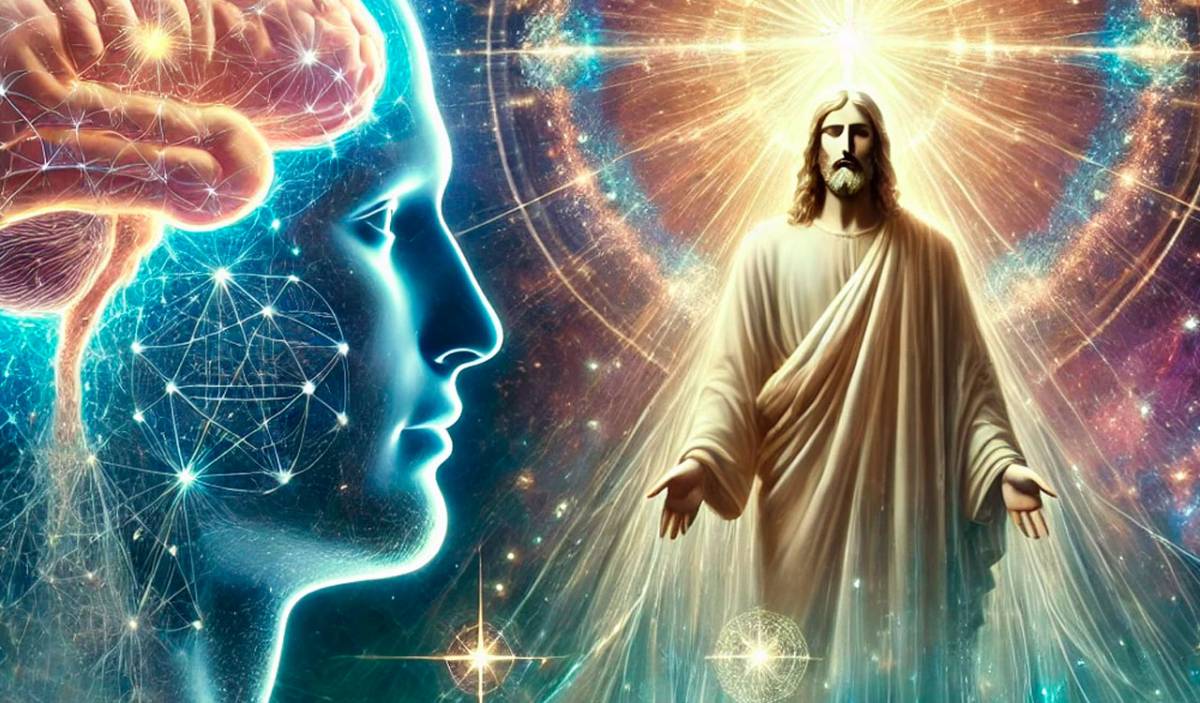
What do Christ and the spiritual third eye have in common?
Christ and Kundalini Energy: A Mystical Parallel
In Eastern mysticism, the rise of Kundalini energy is described as a spiritual awakening that culminates in the activation of the third eye, associated with the pineal gland. This concept bears similarities to the "path of Christ", in which the elevation of consciousness leads to union with the divine. Both in the East and the West, this process is perceived as a journey toward spiritual fulfillment.
Critiques and Scientific Perspectives
While these analogies have a strong symbolic appeal, it is important to highlight that they lack scientific support. From a medical perspective, the pineal gland is part of the endocrine system that regulates biological functions, such as circadian rhythms. Spiritual interpretations, therefore, should be considered metaphors that respond more to cultural traditions and personal beliefs than to empirical foundations.
The relationship between Christ and the pineal gland is a fascinating example of how humans seek meaning and transcendence in different spiritual traditions.