The clandestine surgeon: the true story of Hamilton Naki, the man who changed medicine from the shadows
The medical feat that changed the world, but no one gave it credit.
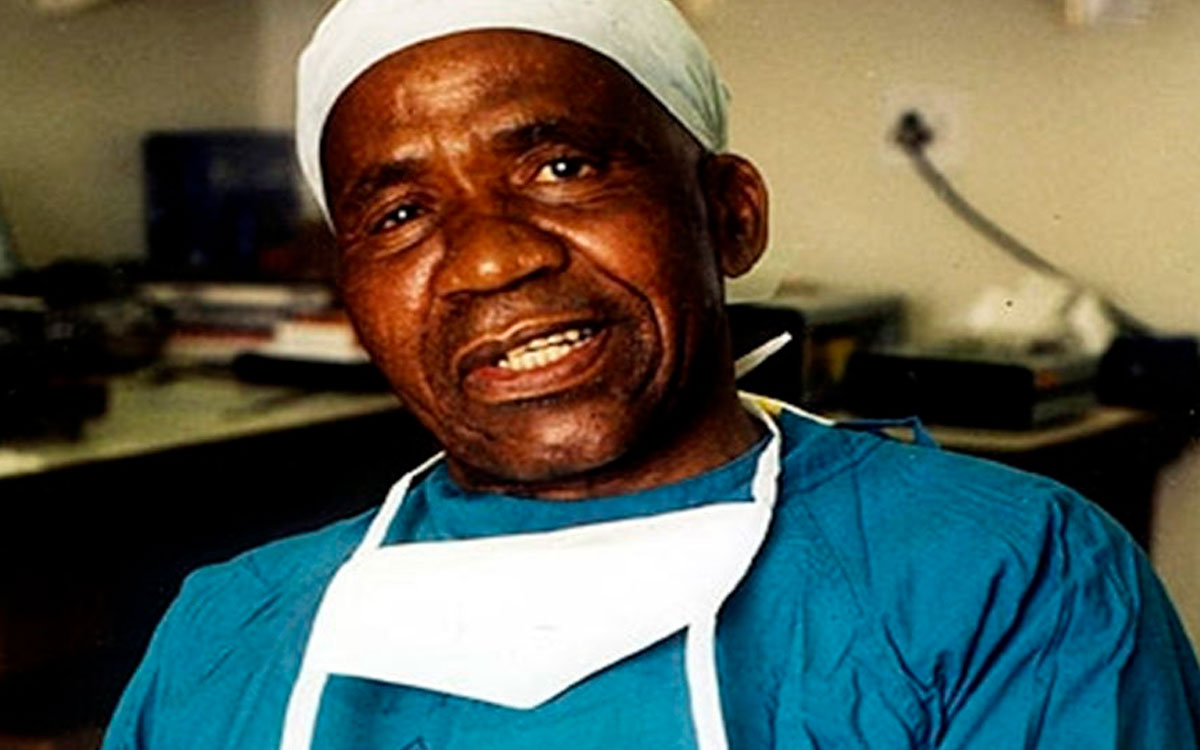
The clandestine surgeon: the true story of Hamilton Naki, the man who changed medicine from the shadows
In the world of medicine, there are figures that are etched in history for their scientific achievements, discoveries, and surgical skills. But few cases are as extraordinary as that of Hamilton Naki, the man who was nicknamed the clandestine surgeon. Despite not having a university degree or formal medical training, he participated in the first successful human heart transplant, carried out in 1967 in South Africa.
Naki was undoubtedly a key figure in that historic milestone. However, his name was erased from official records for decades, hidden behind a double condemnation: the racism of apartheid and the medical system that could not accept his talent for being a black man without formal education.
Hamilton Naki, from gardener to surgeon: the story that no one told
Born in South Africa, Hamilton Naki dropped out of school at the age of 14 and began working as a gardener at the University of Cape Town Medical School. No one imagined then that this humble young man, with a curious gaze and agile hands, would become one of the most skilled surgeons to ever step into an operating room in that country.
It all began with observation. While cleaning facilities where surgical practices with animals were conducted, Naki developed an enviable clinical eye, a natural skill, and a deep understanding of surgical techniques.
He learned in silence, with discipline, dedication, and immense passion. Little by little, he went from cleaning pigsties to actively participating in experimental surgeries with animals, which led him to be recognized—albeit internally and restricted—by white doctors who knew his presence was indispensable.
The day that changed the history of medicine
On December 3, 1967, Dr. Christian Barnard led the first successful heart transplant operation in a human being. What few knew was that Hamilton Naki was responsible for extracting the heart from the donor, an extremely delicate surgical task, with no margin for error.
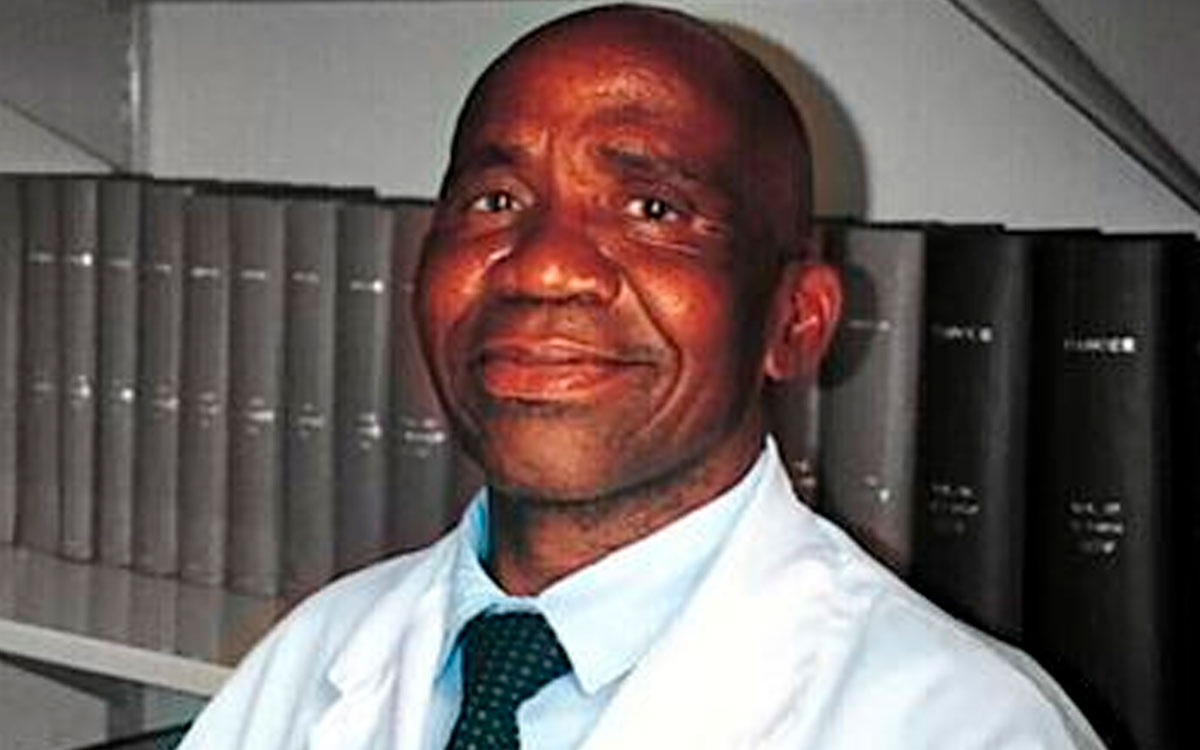
Surgeon without a degree, teacher without a classroom: this was the life of the genius hidden by apartheid.
Although he was a key player in the intervention, Naki could not appear publicly or be named, because it was illegal for a black man to operate, touch the blood of whites, or teach medicine. That was how the apartheid regime functioned.
In fact, when he accidentally appeared in a team photograph, the hospital claimed he was a cleaning staff member. The credit went to Barnard, who became a global medical celebrity. Naki returned to his anonymity.
The surgeon who taught future doctors
For more than 40 years, Hamilton Naki trained medical students, many of them white, teaching them advanced surgical techniques. But, officially, he was never recognized as a doctor or a teacher.
He received a salary equivalent to that of a laboratory technician, the maximum allowed for a black worker under apartheid law. He lived in a humble shack without running water or electricity, in the suburbs of Cape Town. But he never complained. He never stopped giving his best.
The students admired him. The doctors consulted him. But the system kept him invisible. Clandestine. His name did not appear in scientific articles, plaques, or books.
Only after apartheid, the world looked at him
With the end of apartheid in the 1990s, the story of Hamilton Naki began to emerge. It was then that the public and the medical community discovered that behind the success of the first heart transplant was an extraordinary man who never studied medicine but knew anatomy and surgical technique better than many qualified surgeons.
In his last years of life, he received some honors. He was awarded an honoris causa degree as a doctor and received a decoration from the new democratic government. But even that did not repair decades of invisibility, injustice, and discrimination.
He died in 2005, at the age of 78, without wealth, without fame, but with a legacy that today inspires generations. His story has been adapted into films, documentaries, and books. He is the perfect example that talent does not recognize degrees, classes, or skin colors.
Beyond the operating room: a lesson in humility and dignity
Hamilton Naki was not only a brilliant surgeon. He was an example of humility, resilience, and a vocation to serve others. He never claimed what was denied to him. He never asked for recognition. His only wish was to help others live.
In his own words, he said that happiness was not in having what one wants, but in wanting what one has. His story is not just medical. It is human. It is universal.
While the world celebrated the official heroes of medicine, he continued teaching, cutting tissues, saving lives in silence, from the shadow of a system that never valued him as it should have.
Today, his story inspires millions. And although the title of clandestine surgeon accompanies him, Hamilton Naki was much more than that: he was a teacher without classrooms, a doctor without a diploma, and a hero without a medal.