Rice or Pasta? Discover which of these two carbohydrates is the best option for your health and why.
Choosing foods can be a challenge, especially when it comes to deciding between rice and pasta. Discover which is the best option for your health and why.
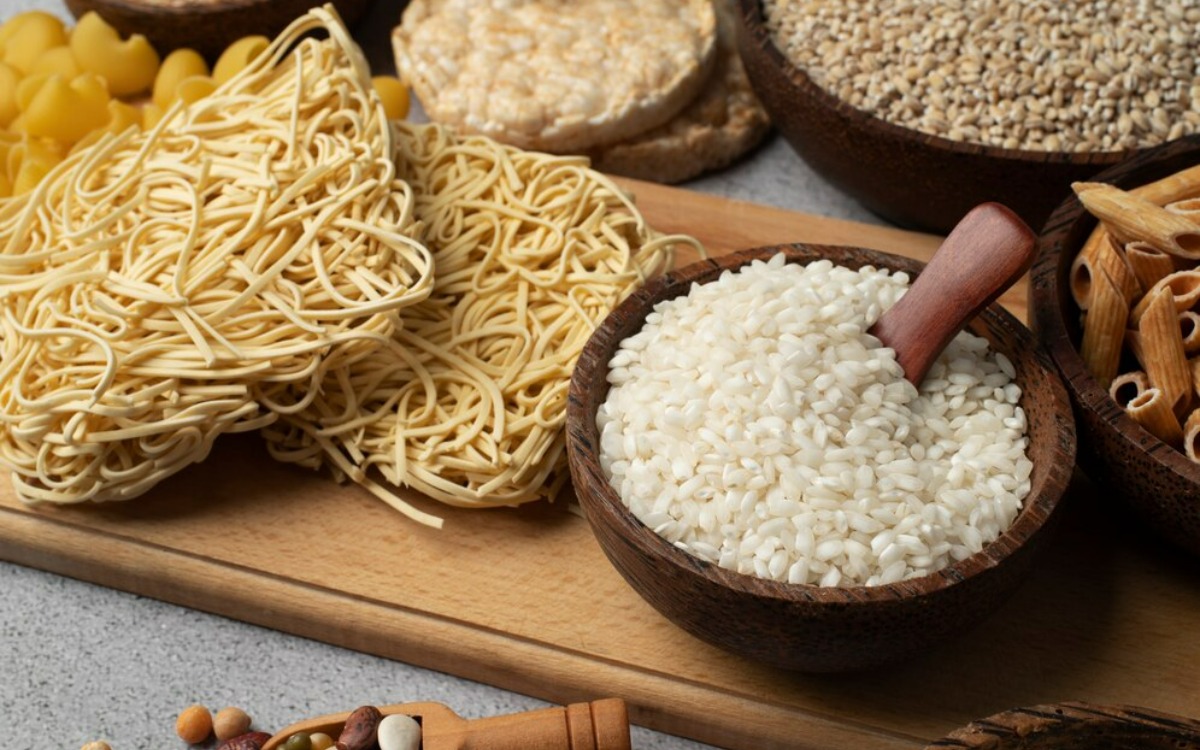
Starting a healthy diet can be a challenge. When it comes to making smart decisions about what to eat, it is necessary to have the right information to make the best choice. At the center of this culinary dilemma often lies a fundamental question: Rice or pasta?
Pasta and rice are two of the most commonly used ingredients in cooking, not only because they are products that yield a lot, but also for their quick preparation, versatility, and economic accessibility. They are staple foods in global cuisine, and each provides different benefits to the body. When selecting the products included in the family basket, it is essential to be informed about the proportions of energy, nutrients, vitamins, minerals, and proteins they contain. Food choices can make a significant difference in our health and well-being.
Rice vs. Pasta: A Nutritional Comparison
According to the Spanish Foundation for Nutrition, pasta, generally made from wheat, is rich in complex carbohydrates and contains more protein than rice. A cup of cooked pasta may provide around 220 calories, 1.3 grams of fat, 43 grams of carbohydrates, and 8 grams of protein. Additionally, it contains B vitamins and iron, essential elements for the proper functioning of the body.

On the other hand, rice, especially in its whole grain version, is a notable source of carbohydrates and fiber. A cup of cooked brown rice provides about 215 calories, 1.8 grams of fat, 45 grams of carbohydrates, and 5 grams of protein. It is also rich in magnesium and selenium, essential nutrients for metabolism and the immune system.
Additional factors to consider in choosing pasta or rice
The glycemic index (GI) is a crucial factor to consider, as it measures how quickly a food raises blood sugar levels. Pasta, especially that made with whole wheat or cooked al dente, has a lower GI than white rice, meaning it releases energy more slowly and steadily. This makes it a suitable option for those looking to manage their weight or keep their blood sugar levels stable. On the other hand, brown rice has a moderate GI and is more filling than white rice.
A study published in the Journal of the American Dietetic Association showed that consuming brown rice may help reduce the risk of type 2 diabetes due to its fiber and nutrient content.
The choice between pasta and rice also depends on individual goals. For example, for athletes or those seeking a quick energy boost, pasta may be the better option due to its higher protein content. On the other hand, rice, especially brown rice, is a better alternative for those prioritizing a diet rich in fiber and nutrients.
Both foods have their place in a balanced diet. However, key factors such as choosing the whole grain version, both of pasta and rice; portion control; and pairing with vegetables and proteins, products that help balance the plate more efficiently, should be taken into account.