Ray Kurzweil and his ambitious plan to achieve immortality before 2045
Kurzweil claims that by 2029 we will reach the escape velocity of aging and that artificial intelligence will be key in the quest for immortality.
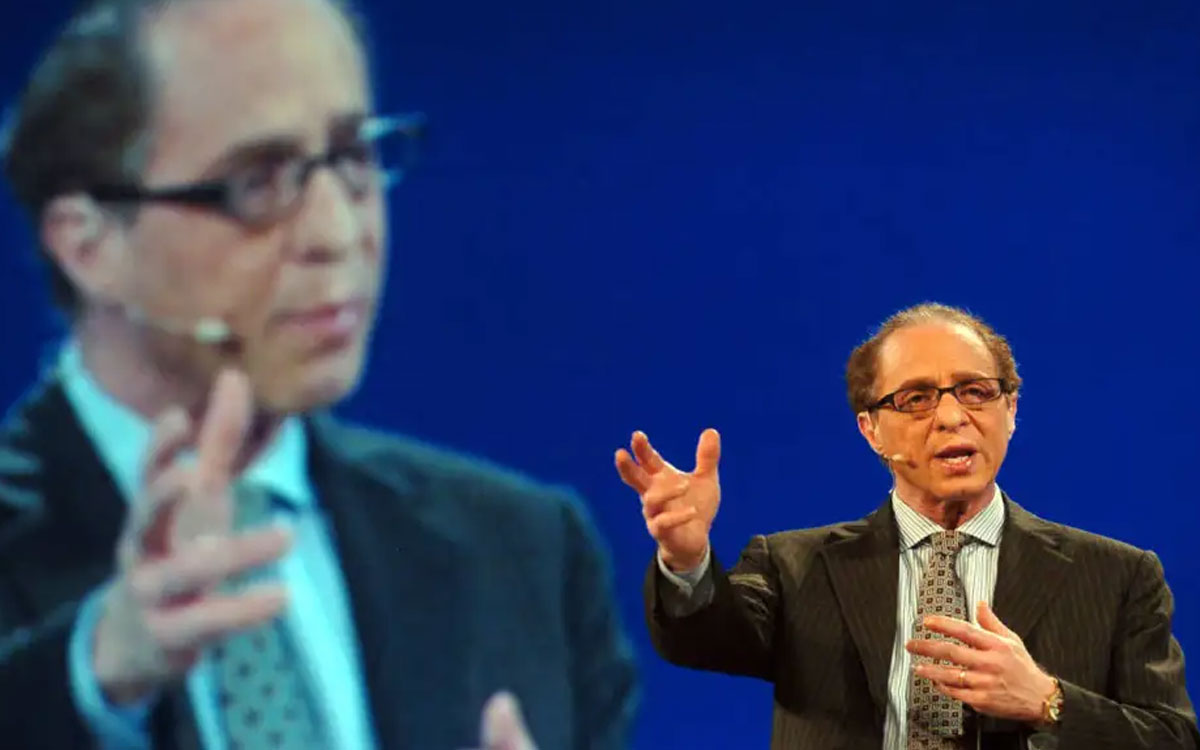
The Immortality Project by Ray Kurzweil proposes a future in which technology will allow humans to overcome aging and biological death. This renowned futurist and current Google engineer argues that we are getting closer to the "technological singularity", a turning point where artificial intelligence will surpass human intelligence and allow us to merge with machines.
The path to immortality according to Kurzweil
Kurzweil outlines his strategy in three key phases, based on the premise that science and technology will advance quickly enough to keep us alive until we achieve immortality.
1. Extend life until technology allows it

To increase the chances of reaching a future where death is optional, Kurzweil recommends:
- Adopting a healthy lifestyle with specific diets and a combination of supplements that slow down aging.
- Leveraging advances in regenerative medicine, such as stem cell therapies and genetic editing, which in the coming years will allow for the reversal of cellular damage.
2. Stop aging with nanotechnology and biotechnology
Kurzweil predicts that in the next 10-20 years, nanorobots in the bloodstream will become a reality. These tiny devices will be capable of:
- Repairing damaged cells and regenerating aged tissues.
- Eliminating diseases before they manifest.
- Optimizing human body performance, pushing it beyond its biological limits.
3. Uploading the mind to the cloud (Mind Uploading)
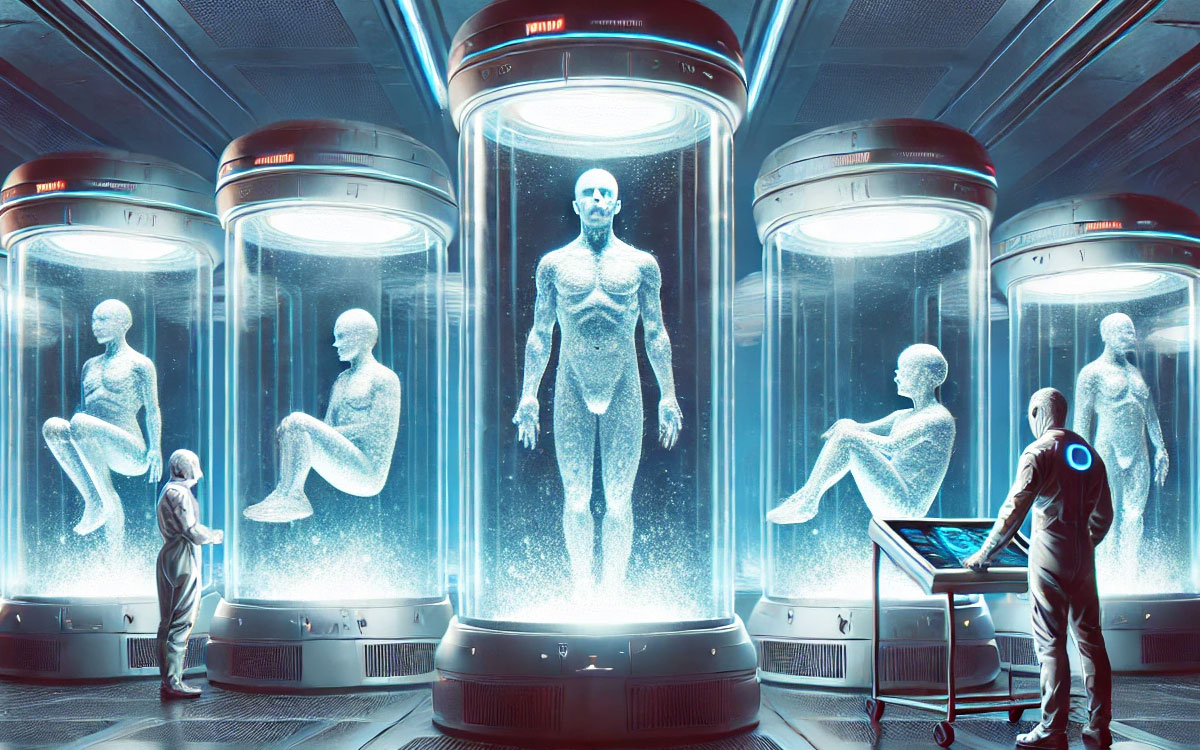
When artificial intelligence reaches a higher level, it will be possible to digitize human consciousness and transfer it to non-biological substrates. This will open new possibilities, such as:
- Living in digital environments, where the concept of aging will no longer make sense.
- Transferring consciousness to advanced robotic bodies, eliminating the limitations of the human body.
- Preserving a person's mind indefinitely, even after the death of their biological body.
Google's plan to achieve immortality that few know about
2029: the key year for immortality
Kurzweil argues that by 2029, artificial intelligence will reach a level comparable to human intelligence, marking the beginning of an era where science and technology can keep us alive indefinitely. This is known as the "escape velocity of aging", a concept also supported by gerontologist Aubrey de Grey.
The escape velocity of aging means that scientific advancements will reverse aging faster than our bodies age, extending life indefinitely. To achieve this, it will rely on three main pillars:
- Regenerative medicine and gene therapy: techniques such as cellular reprogramming and genetic editing will allow for the repair of age-related damage.
- Nanotechnology applied to health: nanorobots in the blood will be able to eliminate toxins and continuously rejuvenate organs.
- Artificial intelligence in biology: AI will accelerate scientific discoveries to develop personalized and revolutionary treatments.
Kurzweil believes that if we manage to stay alive until the 2030s, the technologies necessary for immortality will be advanced enough to prolong life indefinitely.
Science or speculation?
Although Kurzweil's ideas are fascinating, there are still doubts and ethical debates surrounding the possibility of achieving technological immortality. Some scientists consider his predictions to be overly optimistic, while others believe we are on the right track, albeit with a margin of error in the timelines.
What is certain is that humanity is making giant strides in the fields of artificial intelligence, biotechnology, and regenerative medicine. Will we achieve digital immortality before 2045? Only time will tell.