Raúl Barboza: the chamamé that crosses seas and embraces hearts
Raúl Barboza doesn't play the accordion; he breathes it. And when the air turns into music, it seems that the world stops to listen.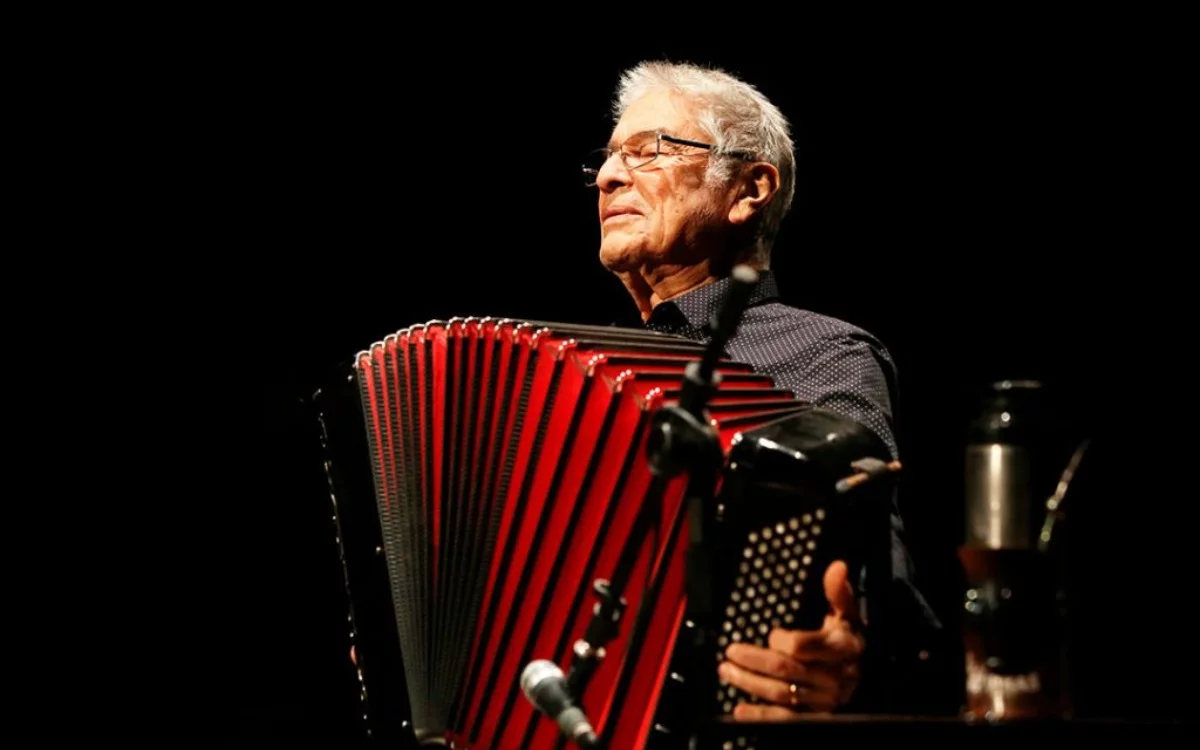
He was born in Buenos Aires, but he carries in his soul the Paraná River and the whisper of the quebrachos. He is the son of a chamamé that never asked for permission, that was born in dirt yards and at village festivals, and that now travels with him to the most elegant theaters in Europe.
Barboza learned to play before he learned to speak with words.
His father, an immigrant from Corrientes, put an accordion in his hands when he was still a child, and destiny did the rest. By the age of 9, he was already a prodigy; by 12, a professional performer. But the music that chose him was not just a trade: it was his root. The chamamé, with its intertwined melancholy and joy, is not easy to explain, but Barboza has always understood it. He played it like someone telling stories of a world that is fading away.
Years later, Raúl crossed the ocean and settled in Paris.
The city that offered him a home for his dreams. And there, where tango had already taken root, Barboza brought a different sound: that of the Argentine coast. He played on stages where no one knew what chamamé was, but when his accordion started to sound, the audience understood. Because in his hands, chamamé is not a musical genre, but a universal language.
France embraced him like a son.
And he brought the spirit of Corrientes and Misiones to jazz festivals, classical music concerts, and folk events. His fingers danced over the keys, and the accordion cried, laughed, and danced with him. In his music, the traditional meets the modern, the intimate with the grand. He did not fear innovation: his albums mix pure chamamé with improvisation, silence, and echoes from other worlds.
But Raúl never forgot where he came from.
He is a man of the river, of bitter mate, of soft words. He returns to Argentina frequently, and when he does, the audience welcomes him like a friend who comes back after a long time, but who never really left. Now, at over 80 years old and with a career that has taken him to more than 30 countries, Raúl Barboza is touring in his homeland. And the chamamé that comes from his accordion sounds like a hug. In every note is the memory of his father, who taught him to play; of his mother, who encouraged him to dream; and of the landscapes of the coast, with their warmth and greenery, that always accompany him, even when he is far away.
When he steps on stage, time rewinds.
Barboza's hands are the same as they were decades ago, agile and precise, but now they also carry the maturity of a man who has lived with music as his compass. And the audience, from Corrientes to Paris, closes their eyes and lets themselves be carried away by the accordion that tells stories of love, nostalgia, and hope. “My music has no borders,” he has said at times. And it is true. Raúl Barboza is a bridge between worlds, between generations, between emotions. Thanks to him, chamamé is no longer just music from northeastern Argentina: it is music of the world.
In every performance, the initial silence of the audience transforms into applause and tears.
People feel they are facing something unique, a voice that does not need words to move them. Raúl Barboza, with his accordion against his chest, becomes that river that crosses seas and carries with it the essence of a people. And when the concert ends, there are no goodbyes, only a see you later. Because Barboza's music lingers in the heart, like an echo that never fades away.