Neither baking soda nor lemon: the deception behind "Apple Cider Vinegar" on Netflix, the miniseries of the moment.
The true story that inspired the new Netflix series has shocked the wellness and social media world.
The fraud that shook the wellness industry
The new Netflix series, "Apple Cider Vinegar", has generated great interest as it is based on a true story that left the wellness community in shock. With six episodes, the miniseries narrates the incredible yet tragic story of Belle Gibson, an Australian influencer who built an empire based on a lie that thousands of people believed blindly.
Gibson claimed she had overcome terminal cancer solely with a healthy diet and alternative therapies. Through her Instagram account, @healing_belle, she shared her supposed recovery process, which quickly made her an influential figure in the wellness world. Her success led her to launch the app The Whole Pantry and publish a book of the same name, consolidating her image as a "survivor" and entrepreneur.
But the truth was very different: she never had cancer.

The lie that captivated thousands
Belle Gibson's rise seemed unstoppable. With her advice on healthy eating, mindfulness, and natural living, she convinced a global audience that her method was a real alternative to conventional medical treatments. Her popularity grew so much that Apple included her in the demo of the first Apple Watch, and major brands supported her without questioning her story.
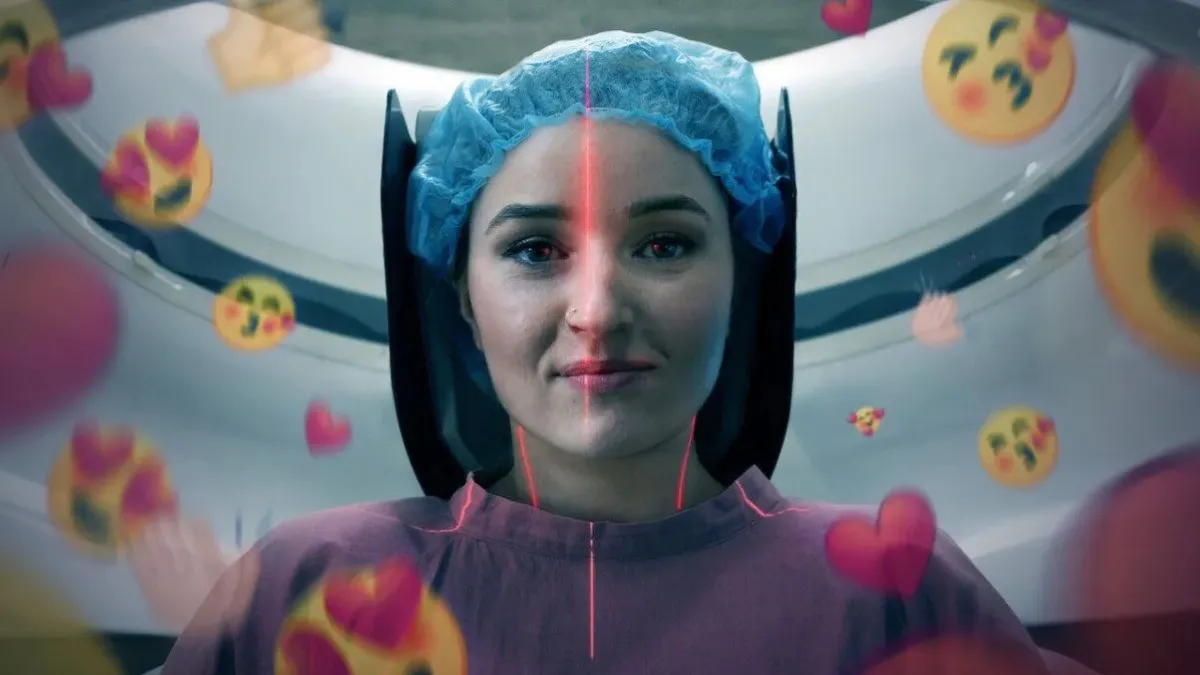
They believed her story, but it was all a lie: the scandal behind "Apple Cider Vinegar"
However, in 2015, Australian journalists Beau Donelly and Nick Toscano began investigating her past and discovered that it was all a fraud. Not only did Gibson never have cancer, but she also lied about the donations she promised to make to charities with the profits from her app and her book.
The series, starring Kaitlyn Dever as Belle, explores how the influencer managed to deceive her followers, major companies, and even the tech industry. But the most shocking thing is that she never showed remorse for her actions.
A fraud that reached the courts
Despite the truth coming to light and being found guilty in 2017 of fraud and misleading conduct, Belle Gibson continued to evade responsibility. She was fined over $400,000, but to this day she has not complied with the penalty. In 2021, the government of Victoria was still trying to recover the imposed sum, without success.
Netflix, with "Apple Cider Vinegar", not only revives her story but also invites reflection on the power of misinformation on social media. The ease with which a well-told lie becomes an "accepted truth" by thousands is alarming and raises questions about the responsibility of platforms and public figures in the spread of false information.
The influencer who built her fame on a farce
In 2014, Belle Gibson was one of the most influential personalities in the wellness world in Australia. Her account of battling a supposed terminal cancer and her "cure" through diet made her an inspiration to many. Her story was picked up by international media and validated by major companies, with no one questioning its veracity.
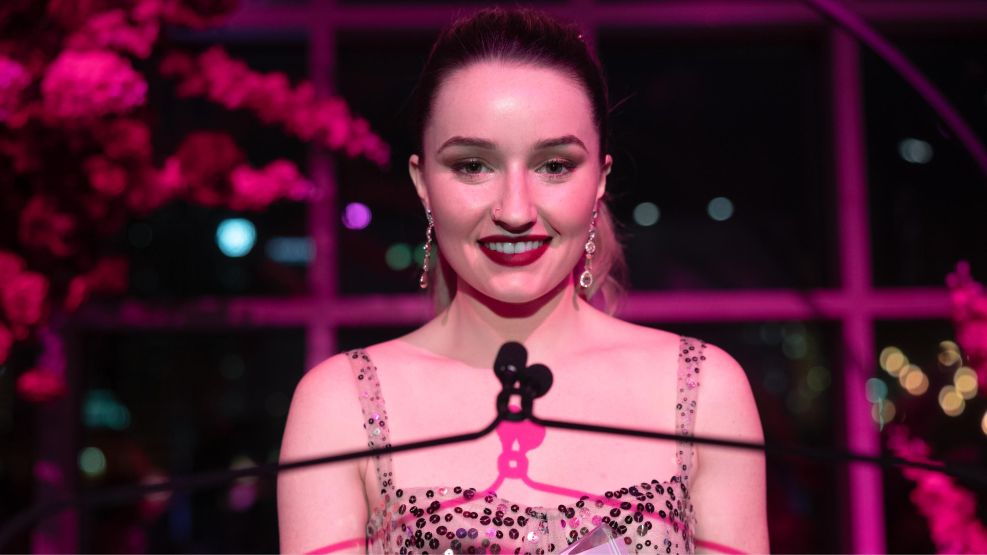
The truth was different: Gibson was never sick.
Her fraud was exposed by journalists from the Sydney Morning Herald, unleashing a scandal that shook the wellness, technology, and publishing industries. Companies like Apple and Penguin Australia, which had supported her projects, immediately canceled any ties with her.
A past full of lies
Belle Gibson, whose real name is Annabelle Smillie, was born in Tasmania in 1991 and showed a tendency for manipulation and storytelling from a young age. In various interviews, she claimed to have grown up in a dysfunctional home, with a sick mother and a brother with autism, asserting that she left home at the age of 12.
However, records show that in 2009, at the age of 18, she moved to Perth and began working at a health insurance company. It was then that she started telling people she had terminal brain cancer and shared her "struggle story" in online forums.
In 2012, with the arrival of Instagram, Gibson saw the opportunity to amplify her narrative. She created the account @healing_belle and began posting photos of healthy recipes, inspirational quotes, and details of her supposed miraculous recovery. Quickly, she amassed thousands of followers and became a wellness guru.
In 2013, she launched the app The Whole Pantry, which offered vegan recipes and tips for a healthy lifestyle. The success was immediate: it became the number one app in the App Store and Apple selected her to include it in their Apple Watch.
But what solidified her image was her supposed charitable activism. Gibson claimed that a portion of her profits was donated to charity organizations, which generated even more trust among her followers. It was all false.
The truth that no one wanted to believe
In 2015, an investigation by the Sydney Morning Herald revealed that none of the charities mentioned by Gibson had received donations from her.
When confronted, she tried to justify it with vague excuses, but the evidence against her was overwhelming. Days later, doubts arose about her cancer diagnosis. There were no medical records or evidence to confirm her story. Former colleagues and doctors began to speak out, revealing that she had never shown evidence of her illness.
To face the accusations, Gibson gave an interview on 60 Minutes Australia, for which she charged $75,000. Instead of clearing her name, her evasive attitude and absurd answers only worsened her situation.
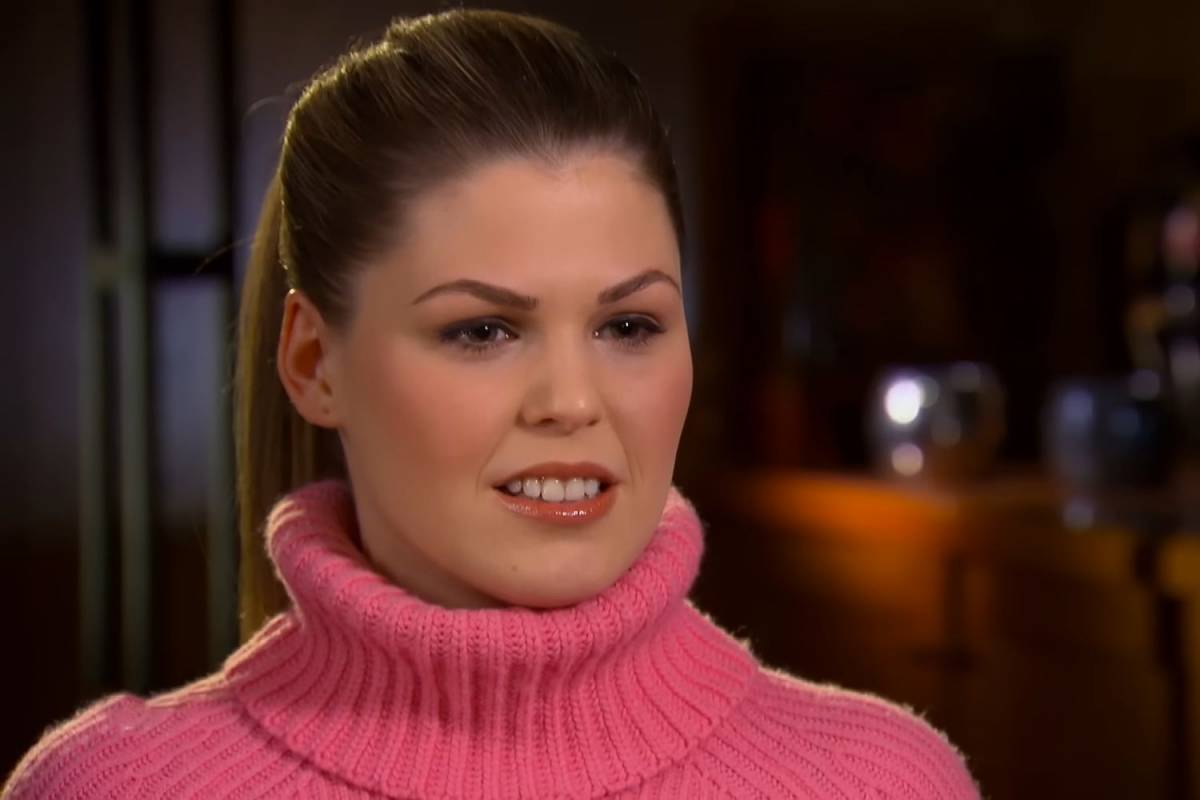
The real Belle Gibson during the interview with the 60 Minutes Australia program
The trial that didn't change her
In 2016, the agency Consumer Affairs Victoria sued Gibson for consumer deception. Although she never appeared at the court hearings, she was found guilty and sentenced to pay $410,000 in fines.
Despite the sentence, Gibson continued to evade payment. In 2017, she was seen living in a suburb of Melbourne, where she was avoided by her neighbors and former friends. To this day, almost a decade after the scandal, she still has not paid her debt.
Belle Gibson's story is a warning about the power of social media to build and destroy public figures, as well as about the dangers of misinformation on health and wellness issues.
With the premiere of "Apple Cider Vinegar", her case is back at the center of the conversation. While some debate whether she deserves empathy or contempt, what is undeniable is that her name will be marked as one of the greatest frauds of the digital age.