Maslow's pyramid: how to apply it in your daily life
Did you know that Maslow's pyramid can help you achieve success? Learn how to apply it in your daily life to improve your well-being and personal development.

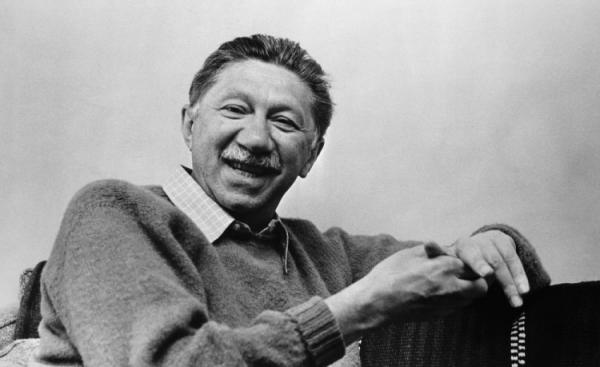
The Maslow Pyramid is a theory formulated by American humanist Abraham Maslow which establishes that there is a hierarchy of human needs, where once basic needs are met, other higher needs and desires develop, culminating in what he called self-actualization. At what level are you?
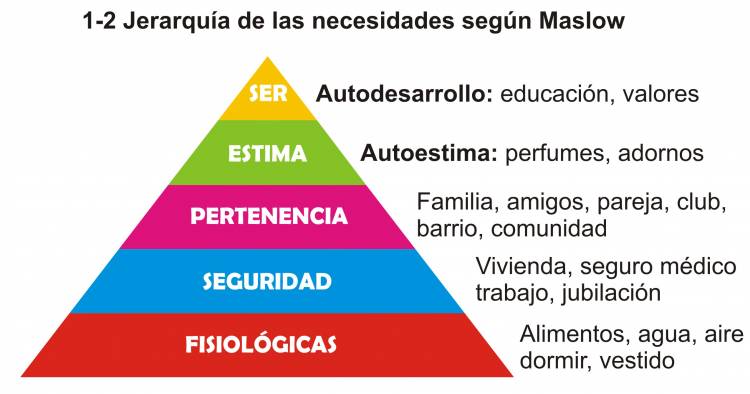
The 5 levels of Maslow's pyramid
First Level: Physiological
This is the most basic level of the pyramid and refers to the physiological needs of human beings, such as: breathing, drinking water, eating, sleeping, or having sexual relations.
Second Level: Safety
This phase arises when physiological needs are kept balanced. These are the needs for safety and protection, such as: health, employment, income, or resources.
Third Level: Affiliation and affection
These are related to the emotional development of the individual. They are the needs for association, participation, and acceptance. Human beings, by nature, feel the need to relate, to be part of a community, to group in families, with friends, or in social organizations. These needs include: friendship, companionship, affection, and love.
Fourth Level: Esteem
According to Maslow, there are two types of esteem needs, high and low. High esteem encompasses the need for self-respect and includes feelings such as confidence, competence, independence, and freedom. Low esteem includes: the need for attention, appreciation, recognition, status, dignity, fame, or glory. A deficit at this level is reflected in low self-esteem and feelings of inferiority.
Fifth Level: Self-actualization
Maslow used several terms to define this level: “Growth motivation,” “Need to be,” and “Self-actualization”. These are the highest needs, and through their fulfillment, a sense of life is found through the potential development of an activity. This is reached when all the previous levels have been achieved and completed, at least partially.
Maslow considered a group of historical figures whom he believed met these criteria to be self-actualized: Abraham Lincoln, Thomas Jefferson, Mahatma Gandhi, Albert Einstein, Charles Darwin, or Newton.
Maslow also addresses the issue of self-actualization in another way, discussing impulsive needs. According to him, to be happy one needs: truth, goodness, beauty, unity, integrity and transcendence of opposites, vitality, uniqueness, perfection and necessity, fulfillment, justice and order, simplicity, environmental richness, strength, playfulness, self-sufficiency, and the search for the meaningful.
When self-actualization needs are not met, meta-pathologies arise, whose list is complementary and as extensive as that of meta-needs. Then a certain degree of cynicism, dissatisfaction, depression, emotional invalidity, and alienation emerges.