The best strength exercises for women over 40 that will help you feel young and active
Experts agree that strengthening muscles not only helps maintain figure, but also serves to protect bones.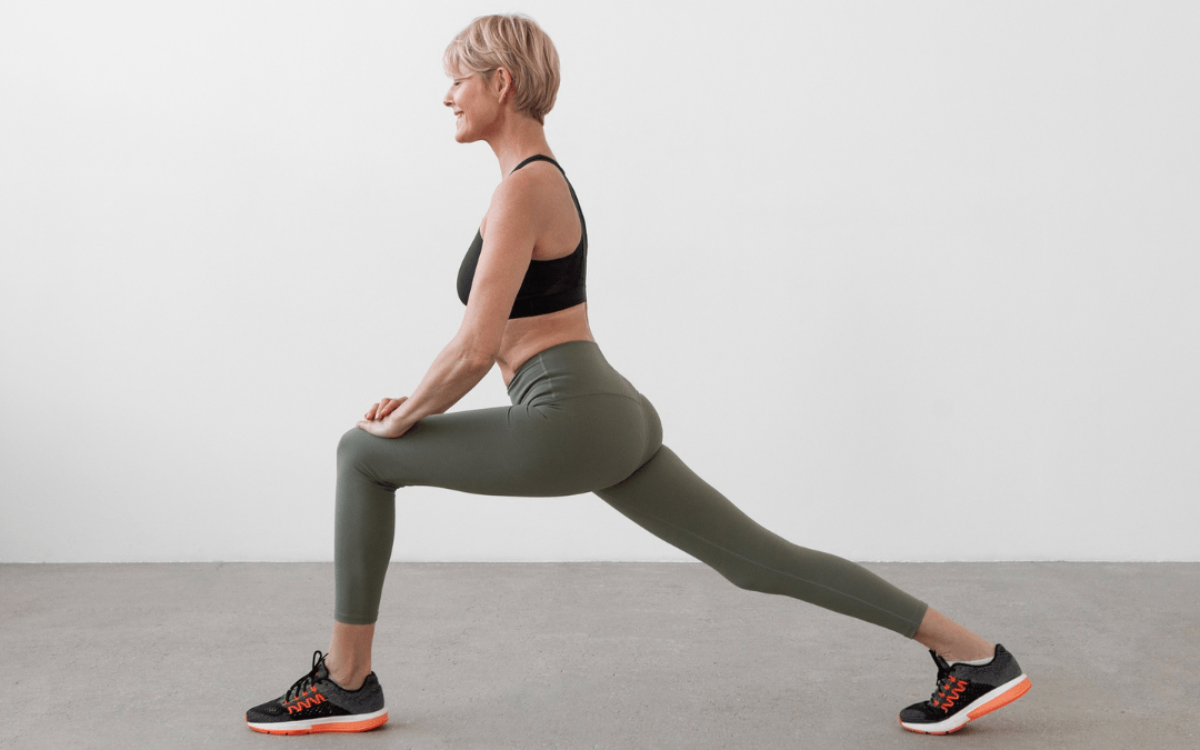
Strength training becomes essential for women starting at age 40, not only for aesthetic reasons but also because it helps prevent the loss of muscle and bone mass, improves posture, protects the joints, increases metabolism, and safeguards emotional health.
Experts emphasize that during this stage of life, the body undergoes hormonal changes, decreased bone density, and gradual loss of strength, but with appropriate exercise, this process can be slowed or reversed.
Recommended strength exercises for women 40+
These routines can be adapted with resistance bands, dumbbells, or just body weight, depending on fitness level:
Romanian deadlift
- Works glutes, hamstrings, and lower back.
- Excellent for strengthening the hips and preventing injuries.
Dumbbell glute bridge
- Activates glutes, abdomen, and legs.
- Improves pelvic stability and protects the lower back.
Bicep curl
- Strengthens arm muscles and improves functional capacity for daily tasks.
Dumbbell chest press (supine position)
- Works the chest, shoulders, and triceps.
- Enhances posture and prevents loss of strength in the upper body.
Reverse lunge with knee drive
- Improves balance, mobility, and strengthens legs and glutes.
- Ideal for coordination and joint stability.
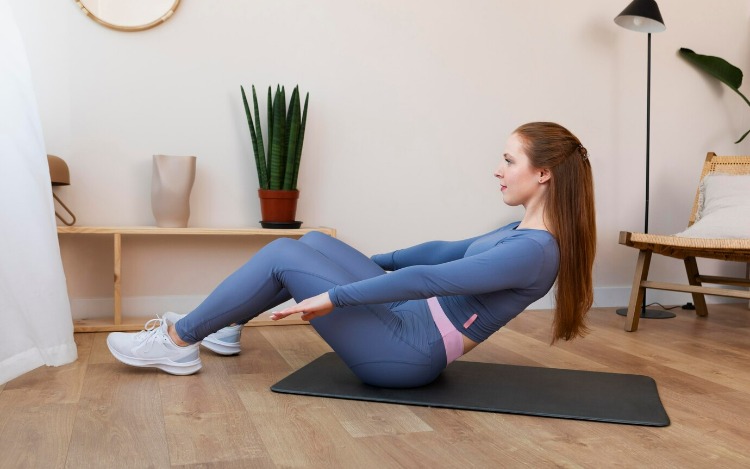
Dead bug
- Safe core exercise that strengthens the deep abdomen and lower back.
- Protects the back and improves posture.
Recommendations:
- Perform strength training 2 to 3 times a week.
- Combine with mobility exercises, stretching, and moderate cardiovascular activity.
- Prioritize correct technique before increasing weight.
- Adapt intensity according to fitness level and, if possible, consult a professional before starting.
Weekly strength routine for women 40+
- Goal: maintain muscle mass, preserve bone density, improve posture and functionality.
- Frequency: 3 days a week (Example: Monday, Wednesday, Friday).
- Rest between sets: 45-90 seconds.
- Optional equipment: dumbbells, resistance bands, or body weight.
Day 1 – Lower Body + Core
Warm-up (5-7 min)
- Light walking or stationary bike.
- Joint mobility (hips, knees, ankles).
Strength exercises
- Romanian deadlift – 3 sets x 10-12 repetitions.
- Dumbbell glute bridge – 3 x 12-15.
- Reverse lunge with knee drive – 3 x 8-10 per leg.
- Dead bug – 3 x 10-12 per side.
Cool down
- Stretching for legs, glutes, and lower back.
Day 2 – Upper Body + Core
Warm-up
- Shoulder rotations, joint mobility, light resistance band.
Strength exercises
- Dumbbell chest press (supine) – 3 x 10-12.
- Bicep curl – 3 x 12-15.
- Incline row with dumbbell or band – 3 x 10-12 (added to compensate for the back).
- Plank – 3 x 20-30 seconds (or version with knees on the ground).
Cool down
- Stretching for chest, arms, and core.
Day 3 – Full Body + Stability
Warm-up
- Light walking + hip and shoulder mobility.
Strength circuit (repeat 3 times with 1 min rest between rounds)
- Romanian deadlift – 10 repetitions.
- Dumbbell chest press – 10 reps.
- Reverse lunge with knee drive – 8 per side.
- Dead bug – 10 per side.
- Row with band/dumbbell – 10 reps.
Extra balance work (optional)
- Walk in a straight line on your heel and toe 2 x 30 seconds.
- Hold the “tree” pose (yoga) for 20-30 seconds per leg.
Key tips
- If you are a beginner, start without weight or with light bands to focus on technique.
- Gradually increase the load when you can perform the maximum repetitions with good form and without pain.
- Combine with 1-2 days of moderate cardiovascular activity (walking, swimming, biking).
- Listen to your body: if there is joint pain different from muscle effort, adjust or stop the exercise.