The 20 and 50 dollar bills say goodbye: when you must exchange them for sure
Do you have old dollars? Everything you need to know about their withdrawal from circulation.
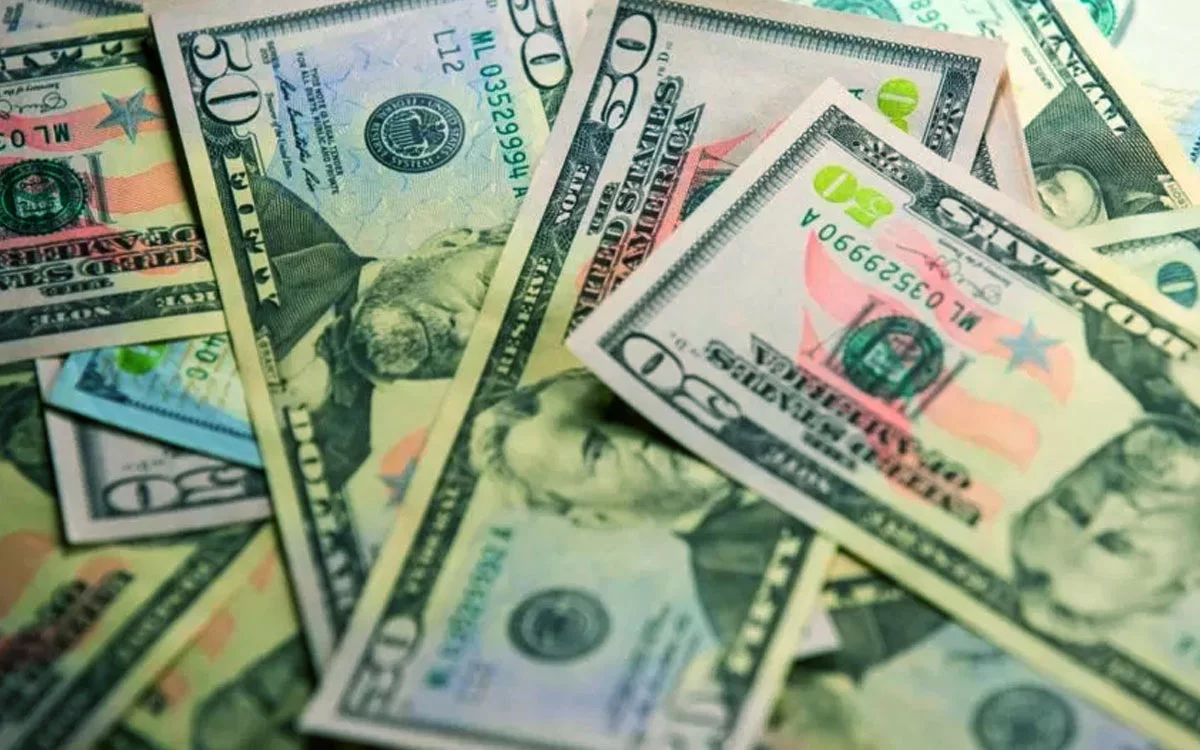
The 20 and 50 dollar bills, two of the most common in the U.S. market, will be withdrawn from circulation in the coming years as part of a redesign and modernization plan for the currency. The measure, announced by the Federal Reserve of the United States (Fed) in collaboration with the Bureau of Engraving and Printing (BEP), aims to enhance security features and facilitate the identification of counterfeit bills.
This news affects millions of people worldwide, as the U.S. dollar is one of the most widely used currencies globally. If you have bills of these denominations, it is essential to be aware of the deadlines set for exchange and the reasons behind this decision.
Why will the current bills be withdrawn?
The U.S. Government announced months ago an ambitious plan to renew its entire currency system. According to the Fed, the redesign aims to incorporate advanced security technologies that reduce the risk of counterfeiting, as well as ensure that the U.S. currency maintains its value and reliability internationally.
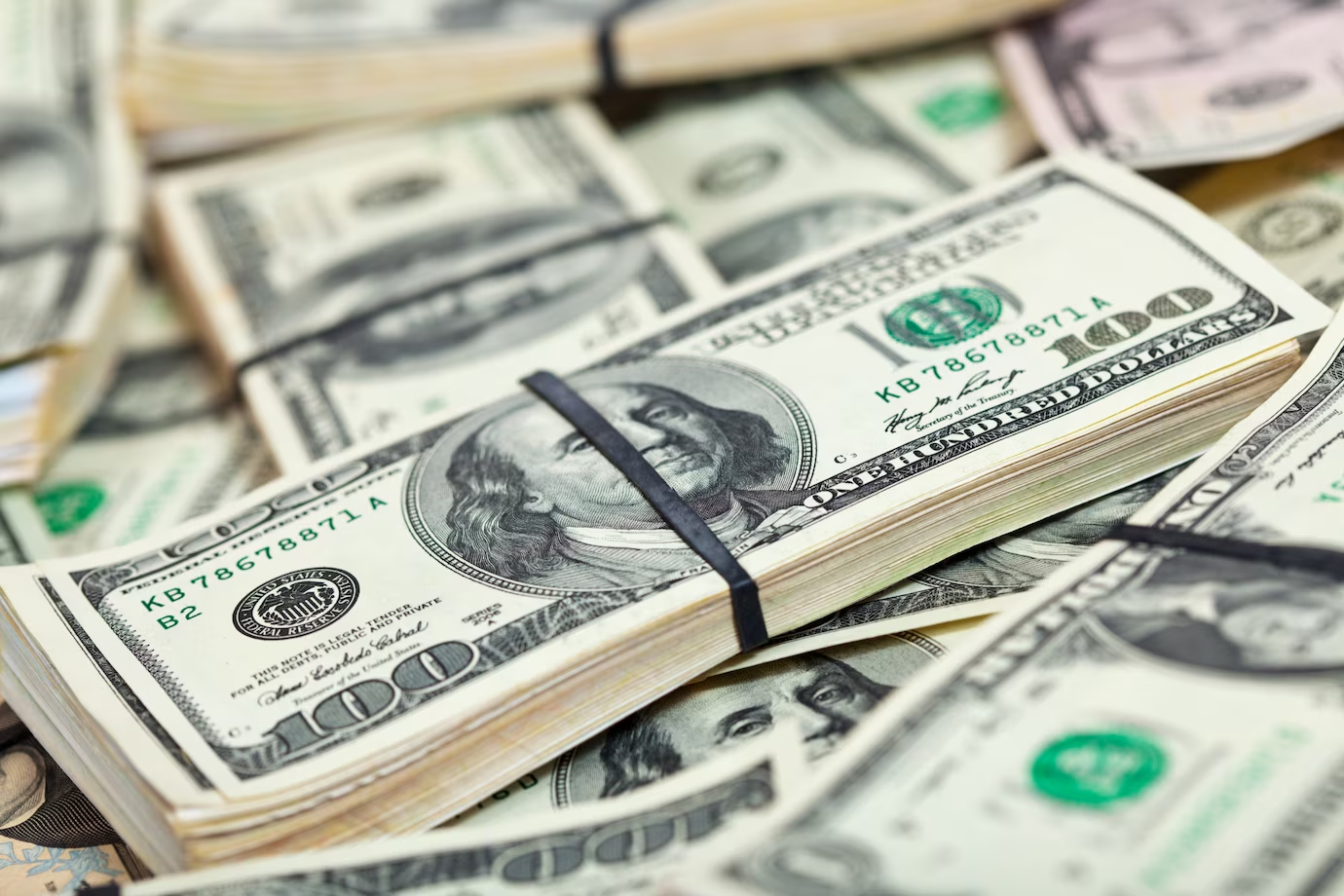
The change affects not only the 20 and 50 dollar bills but also other denominations such as the 5, 10, and 100 dollar bills, which will be updated gradually over the coming decades. This approach will allow authorities to manage the change in a controlled manner and minimize the impact on commerce and everyday transactions.
When will the 20 and 50 dollar bills be withdrawn from circulation?
The withdrawal of these denominations follows a specific schedule that the Fed has already announced:
- 50 dollar bill: It will be the first to be withdrawn. Its redesigned version is expected to be launched in 2028. Current bills can still be used until that date, but it is recommended to exchange them at banking institutions to avoid problems later.
- 20 dollar bill: It will be withdrawn from circulation in 2030 and will be replaced by an updated version that will be available that same year.
Additionally, the Fed confirmed that other bills, such as the 5 and 10 dollar bills, will also be renewed in later years, with launches expected between 2032 and 2035. Meanwhile, the popular 100 dollar bills will have a new version by 2034.
What happens if you have old bills?
Although old bills will not lose their value immediately, it is important to be aware of the deadlines for exchange. The Fed recommends that citizens go to banks and official institutions to exchange their bills before they are withdrawn from circulation. This will ensure that they can continue to use them without issues and preserve their purchasing power.
It is worth noting that bills that are no longer in circulation will still be accepted as a means of payment in the short term, but their use may be limited over time, especially outside the United States, where merchants tend to be stricter about accepting obsolete bills.
What advantages will the new bills bring?
The redesign of the dollar bills not only responds to the need to prevent counterfeiting but also has other significant advantages:
- Greater security: The new bills will be equipped with cutting-edge technologies, such as holograms and color-changing inks, that will make counterfeiting more difficult.
- Durability: The new designs are expected to use more resilient materials, extending the lifespan of the bills and reducing long-term production costs.
- Inclusion: Some features, such as special textures, will facilitate their use for people with visual disabilities.
- Aesthetic renewal: Although security elements are the priority, the new bills will also feature modern designs that reflect the cultural and technological evolution of the United States.
How does this measure affect other countries?
The U.S. dollar is not only the official currency of the United States; it is also widely used in international transactions, central bank reserves, and informal markets in many countries. The renewal of the bills could have a significant impact on dollarized economies, where individuals and businesses will need to adapt to the change.
In these countries, old bills could lose acceptance more quickly, especially if easy access to banks for exchanges is not available. For this reason, it is essential for people who use dollars as savings or a means of payment to be informed about key dates and procedures for exchanging their bills.
What should you do if you have 20 or 50 dollar bills?
If you have 20 or 50 dollar bills in your possession, it is advisable to take the following actions:
- Consult with your bank: Ask if they have specific procedures for exchanging old bills.
- Follow official news: Stay informed about any updates from the Fed or the U.S. Government regarding the currency change.
- Avoid prolonged storage: Although the bills will not lose their value, it is better not to accumulate them for too long to avoid logistical or acceptance issues.
- Exchange in advance: Do not wait until the last moment. Exchanging large amounts of bills could become more complicated as the deadline approaches.
Key dates for the bill redesign
The withdrawal of the bills will be gradual and will follow this schedule:
- 2028: Redesign of the 50 dollar bill.
- 2030: Redesign of the 20 dollar bill.
- 2032-2035: Renewal of the 5 and 10 dollar bills.
- 2034: Redesign of the 100 dollar bill.
What to do if you are outside the United States?
For people living outside the United States and holding dollar bills, it is essential to consult with local banks or exchange houses about the policies for exchanging old bills. In many cases, these institutions work directly with the U.S. banking system to facilitate the exchange, but deadlines may vary by country.