Learn about the Types of Pipes and the Advantages of PPR for Your Home
PPR pipes are revolutionizing plumbing systems due to their resistance and efficiency. Discover their advantages and whether they are truly the best option for your home.
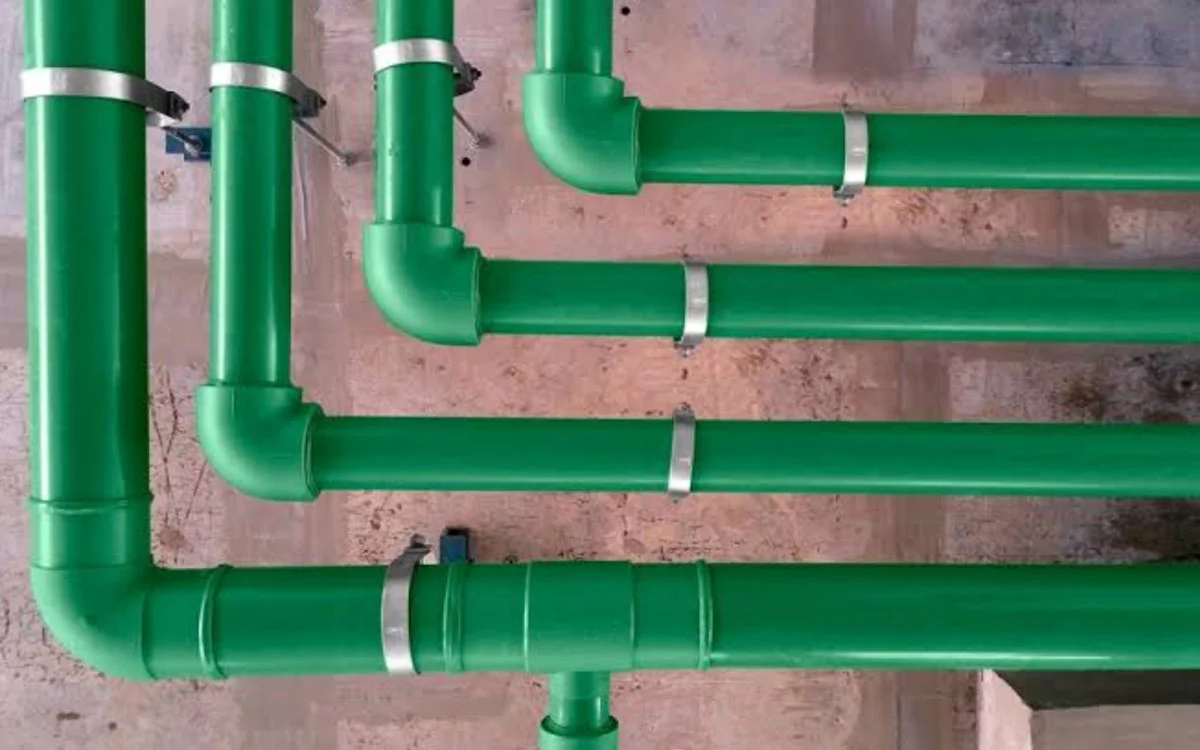
When it comes to ensuring an efficient and durable plumbing system at home, choosing the right material for the pipes is essential. Pipes are the means by which water, gas, and other fluids reach their destination, so their quality and characteristics directly influence the system's performance. In this context, PPR has stood out as a reliable and modern option, thanks to its multiple advantages compared to more traditional materials.
Diversity in pipe materials
The different types of pipes available on the market are designed to meet various functions and requirements. Among the most common options are copper, PVC, galvanized steel, and more recent thermoplastic materials like PPR.
Copper pipes are known for their durability and resistance to high temperatures, making them ideal for hot water systems. However, their installation can be costly and requires technical expertise. On the other hand, PVC pipes, primarily used in drainage and cold water systems, are economical and lightweight, but they do not withstand high temperatures or extreme pressures.
Galvanized steel, although robust, has the drawback of corrosion over time, which can affect both water quality and the lifespan of the installation. For this reason, many people seek more modern and durable alternatives that can meet their needs, such as PPR pipes.
An innovative option for modern installations
Before understanding why this material is one of the best alternatives, it is important to answer the question: What is PPR and what are its advantages? Also known as random copolymer polypropylene, it is a thermoplastic material specifically designed for plumbing systems that transport cold and hot water. Its composition gives it high resistance to extreme temperatures and pressure, making it a versatile option for homes and commercial applications.
One of the most notable features of PPR is its resistance to corrosion. Unlike metal pipes, this material does not deteriorate with exposure to water or chemicals, ensuring that drinking water arrives in optimal conditions. Additionally, the connections between these pipes are made through a heat fusion process that ensures a tight and leak-free joint.
Practical advantages at home
Pipes made from this material offer a series of benefits that make them particularly attractive for residential projects. First of all, their durability is remarkable: under normal usage conditions, they have an estimated lifespan of over 50 years. This represents a long-term investment, as it reduces costs associated with maintenance or replacement of parts.
Another important advantage is their thermal insulation capability, which helps maintain the water temperature during transport, especially in hot water systems. This not only improves system efficiency but also contributes to energy savings by reducing the need to reheat the water.
Moreover, PPR pipes are lightweight and easy to handle, making their installation easier compared to heavier materials like steel. They are also environmentally safe, as they are recyclable and their production generates a lower environmental impact than other traditional materials.
When selecting among the different types of pipes available, it is essential to consider factors such as initial cost, durability, required maintenance, and the specific purpose of the installation. While options like copper and PVC remain widely used, PPR stands out as a more modern, efficient, and sustainable solution.
Thanks to its unique properties, this material not only meets the current needs of homes but also adapts to the sustainability and efficiency standards demanded by modern projects. Investing in quality pipes is essential to ensure a reliable and durable plumbing system.