It's not the diet or exercise: this is what your DNA reveals about your palate and your weight.
Studies confirm that DNA influences what we eat, how we process nutrients, and the risk of overweight or celiac disease.
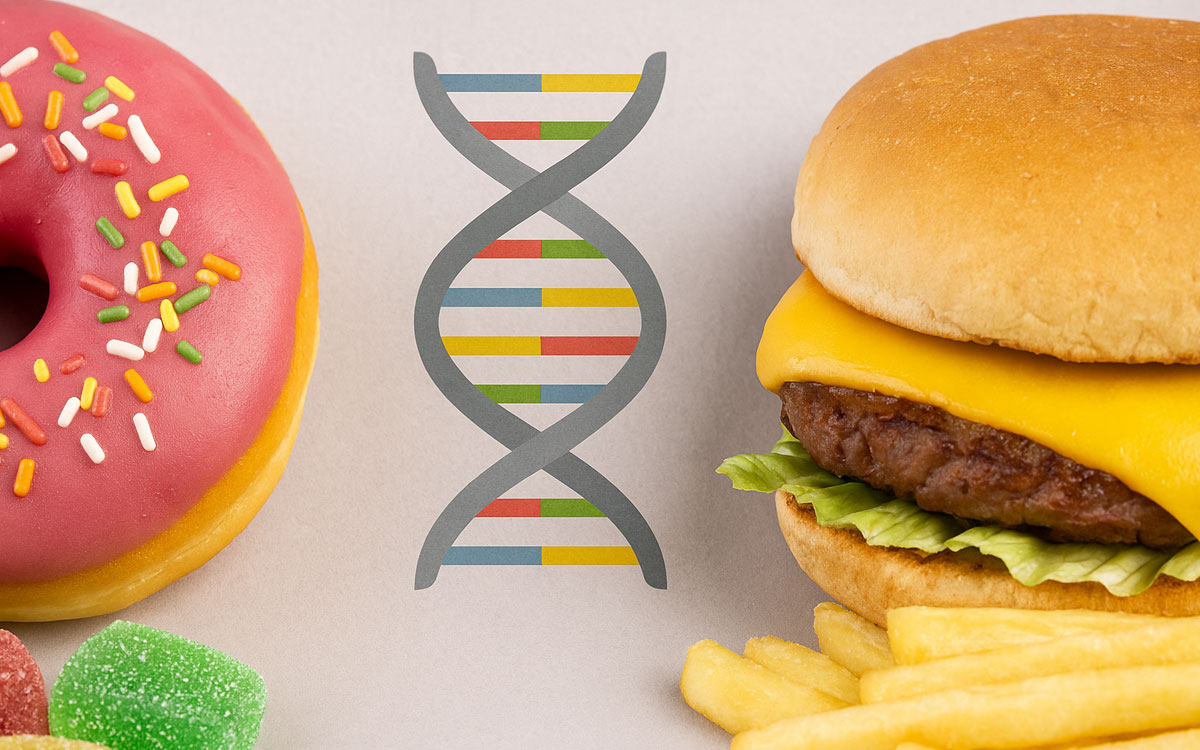
Sweet or bitter? DNA can decipher what lies behind taste and overweight.
Sweet or bitter? Satisfied or always hungry? Supplements that work or simply unnecessary? Each of these questions could find an answer where many do not look: in DNA. The genetic code, in addition to defining physical traits, also influences the way we perceive flavors, process food, and store fat. This is affirmed by recent scientific research and experts in genetics applied to nutrition.
Taste also has genes
The CONICET researcher and scientific director of Gen360, Adrián Turjanski, states that genetics conditions aspects of taste, such as the preference for sweet or bitter flavors and the level of taste sensitivity. Although DNA does not define a gastronomic vocation, it can mark biological differences that, for example, would benefit sommeliers or chefs by allowing them to detect more intense flavor nuances.
In this sense, some people enjoy sweetness more because their genes make those flavors activate taste receptors more intensely. Others, on the contrary, perceive bitterness more clearly, leading them to avoid certain vegetables or drinks like coffee. That difference is not a whim: it is written in DNA.

How DNA alters nutrient processing
The genetic impact does not end with taste. It extends to the way the body absorbs and utilizes nutrients. Some people have difficulty assimilating vitamin B12, magnesium, or calcium, which can lead to nutritional deficiencies even if they maintain a balanced diet. Others quickly eliminate vitamin D, found in fish, dairy, or eggs, which necessitates specific and sustained supplementation.

Adrián Turjanski, CONICET researcher and scientific director of Gen360, explaining the nutritional genetic test: the key to eating according to your genes.
The risk of falling into dietary errors is high in an era where vitamin supplements are offered as universal solutions. But without knowing the genetic profile, it is difficult to know if they are really needed or if they could be counterproductive. Turjanski summarizes it this way: "Through the knowledge of our DNA, both deficiency and vitamin overload can be avoided."
Genetic tests for personalized nutrition
DNA tests allow the detection of variants associated not only with metabolism but also with the perception of flavors, the response to certain compounds like histamine, and the ease or difficulty of losing weight. This type of study enables the design of nutritional plans tailored to each person, with greater precision and effectiveness.
For example, an individual predisposed to metabolize fats slowly may require a lower lipid diet to maintain a healthy weight. Another, who quickly eliminates caffeine, could tolerate several cups of coffee without side effects. These nuances, invisible to the naked eye, become key when the genetic map of each organism is known.
DNA and overweight: a closer relationship than it seems
In Argentina, six out of ten people are overweight, a fact that worries health authorities. Overweight and obesity are linked to more than 200 diseases, including type 2 diabetes, hypertension, liver problems, respiratory conditions, and certain types of cancer. Here too, DNA has much to say.
"The feeling of satiety is not the same for everyone. Some need to eat more to feel satisfied, while others gain weight more easily with certain foods. That depends on different gene variants," explains Turjanski. By identifying those variants through genetic tests, it is possible to design more effective diets that respect individual biology and improve the relationship with food.
This approach avoids the frustration caused by generic diets, which often fail because they do not consider each body's unique response. With the right information, one can eat better, without falling into extreme restrictions or universal recipes that promise magical results.
Celiac disease: what DNA anticipates without the need for a biopsy
The genetic test can also anticipate autoimmune diseases related to diet, such as celiac disease. This condition, triggered by a reaction to gluten, can cause severe digestive symptoms and intestinal damage. According to genetic data, 99% of celiac individuals have two specific variants in the HLA-DQ2 or HLA-DQ8 genes. If someone does not present those variants, they can definitively rule out the risk of developing the disease.
Knowing this information avoids unnecessary diets, invasive medical tests, and unfounded dietary restrictions. At the same time, it provides peace of mind to those who doubt the possibility of being celiac, especially when a close family member is.
The future of food is personal
Turjanski summarizes it with a strong statement: "There is no single health plan that works for everyone. Personalization is the way, and genetics is one of its best tools". Genetic tests, far from being a luxury, are consolidating as a tool for prevention and guidance to improve quality of life.
Although they do not predict the future of health with certainty, they do allow for a clearer understanding of how the body works, what it needs, and what it should avoid. In a context where contradictory advice and dietary trends abound, relying on science is a way to regain control and make informed decisions.
Because, at the end of the day, knowing whether you prefer sweet or bitter is just the tip of the iceberg. What really matters is understanding how your DNA shapes your habits, your health, and your daily choices.