How to save energy at home and avoid headaches on your bill
5 key tips to reduce your electricity bill at home.
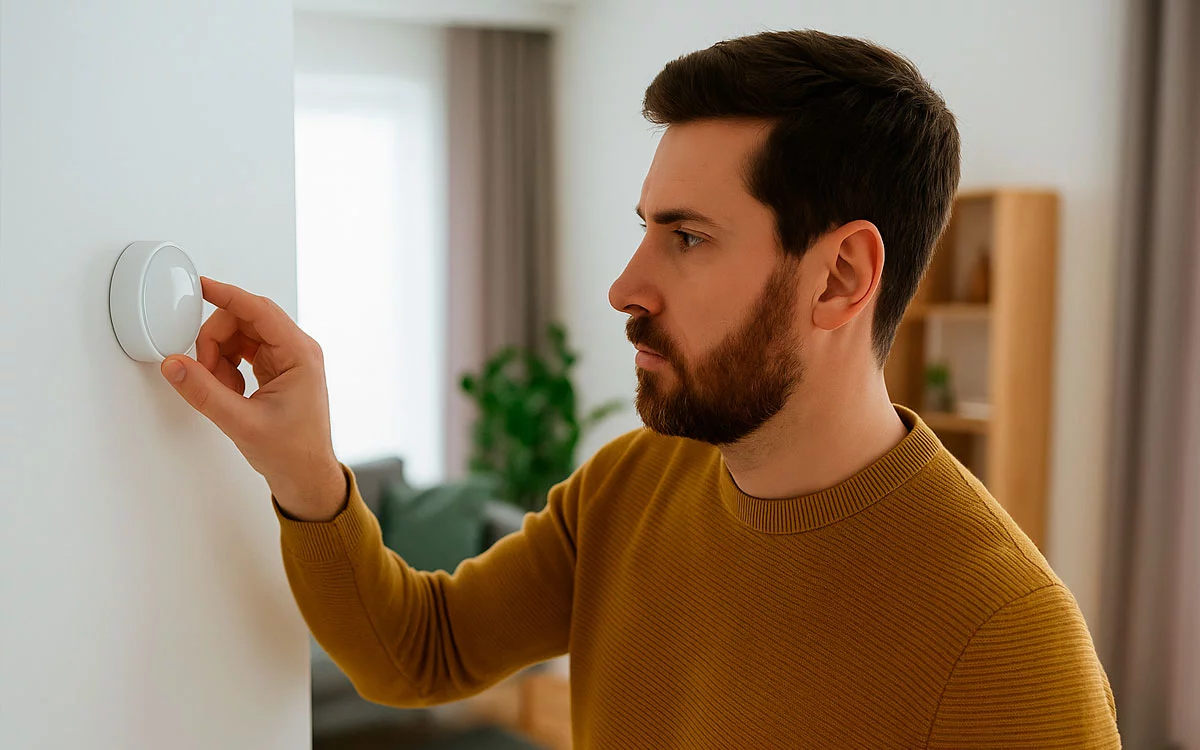
Saving energy at home is a practice that benefits both the wallet and the environment. Implementing simple habits and making adjustments in the use of appliances and lighting systems can have a significant impact on the electricity bill and reduce the carbon footprint.
According to the International Energy Agency (IEA), energy consumption in households accounts for approximately 29% of total energy consumption worldwide. The IEA emphasizes that energy efficiency in this sector is crucial to achieving global climate and energy goals.
Here are five key tips for saving energy at home:
Unplugging appliances and chargers
Many appliances, even when turned off, continue to consume energy in what is known as "vampire consumption" or "phantom consumption." This consumption can account for up to 10% of the electricity bill. Unplugging cell phone chargers, televisions, computers, and other electronic devices when not in use is a simple and effective measure.
The University of California, Berkeley, recommends using power strips with switches to turn off multiple devices at once, thus facilitating energy savings and prolonging the lifespan of appliances.
Optimizing the use of the washer and dryer
The washer and dryer are two of the appliances that consume the most energy. To reduce their impact, it is advisable to use them with full loads and, if possible, opt for cold wash programs, as heating water consumes a large amount of energy.
Additionally, drying clothes outdoors whenever weather conditions allow is an eco-friendly and economical alternative to the dryer.
Taking advantage of natural light
Artificial lighting is a significant source of energy consumption. Opening curtains and blinds during the day to make the most of natural light reduces the need to turn on light bulbs.
Moreover, it is essential to use LED bulbs, which are up to 80% more efficient than traditional incandescent bulbs and have a much longer lifespan.
Keeping the refrigerator and freezer in good condition
The refrigerator and freezer operate 24 hours a day, 7 days a week, so their efficiency is crucial. Ensuring that the doors close tightly and that the seals are not damaged prevents cold air leaks and excessive energy consumption.
It is also important not to place hot food directly in the refrigerator, as this forces the appliance to work harder to cool it down. Keeping food organized allows for better air circulation, optimizing its operation.
Improving the thermal insulation of the home
Good insulation in walls, ceilings, and windows is essential for maintaining a comfortable temperature in the home without excessively using heating or air conditioning. Sealing windows and doors with weatherstripping or silicone can prevent heat loss in winter and cold loss in summer.
Investing in double-glazed windows can significantly reduce energy consumption, as they improve insulation and decrease the need for artificial climate control.
Implementing these tips not only translates into economic savings but also contributes to the sustainability of the planet. Small changes in daily habits can have a significant long-term impact on household energy consumption.