How to clean plastic shower curtains to eliminate mold and bad odors effortlessly: quick guide
The ultimate guide to preventing mold on shower curtains. Learn how to clean it and avoid health risks. Easy and effective methods to keep them looking impeccable.
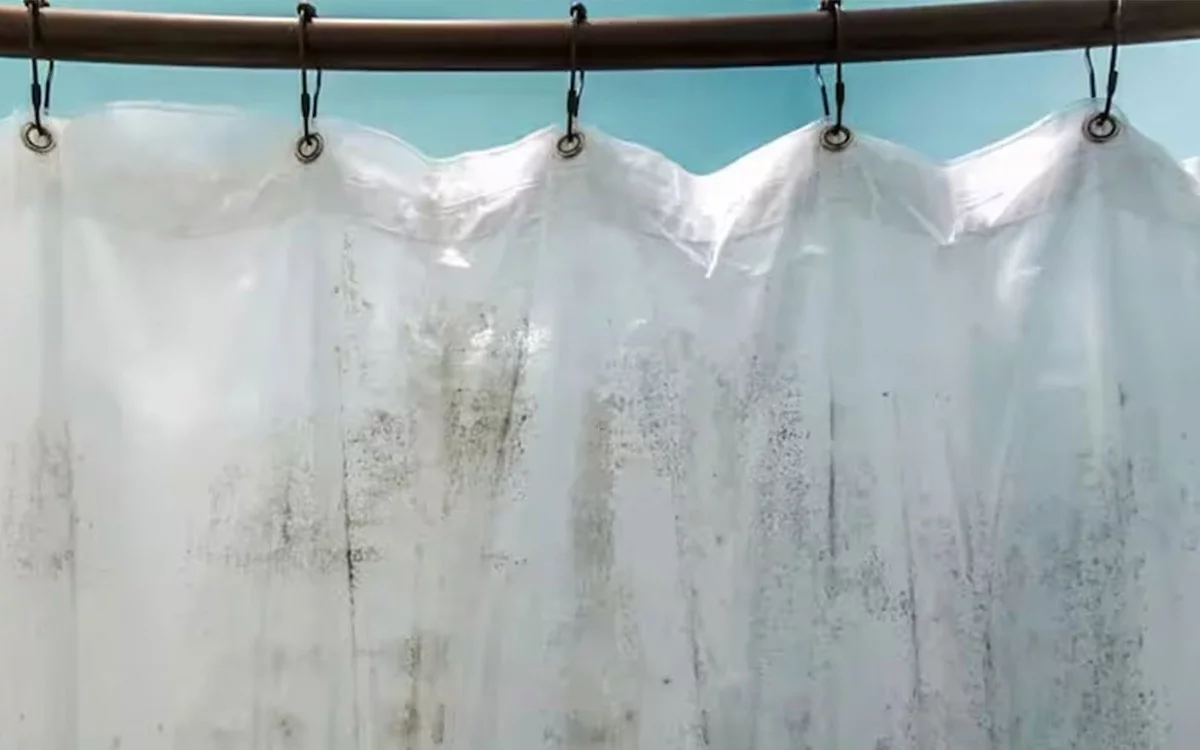
Removing mold from plastic shower curtains is essential for maintaining a hygienic and healthy environment in your home. These curtains, while practical and durable, tend to accumulate soap residue, moisture, and over time, develop mold and unpleasant odors if not properly cared for. Fortunately, there are effective and natural methods that allow you to make them look like new without the need to use harsh chemicals like bleach.
Effective steps to clean plastic shower curtains
To keep your plastic curtains in perfect condition and mold-free, white vinegar stands out as a natural, economical, and effective ally. This product, in addition to being safe for the environment, helps eliminate soap residue, disinfects, and neutralizes odors without damaging the surface of the curtains.
-
Prepare the cleaning solution:
Mix one part of white vinegar with two parts of warm water in a container. Stir well to ensure it is fully combined.
-
Apply the solution:
With a sponge soaked in the mixture, gently scrub the curtain, focusing on areas with accumulated residue or visible stains. -
Treat difficult stains:
If some stains persist, apply pure white vinegar directly onto them. Let it sit for 5 to 10 minutes to penetrate and dissolve the mold or accumulated residue. Then, rinse with warm water. -
Deep wash (optional):
If the curtain is machine washable, place it in a cold water wash cycle. Add half a cup of white vinegar along with a small amount of mild detergent. This process will remove deeper residues and completely deodorize it. -
Proper drying:
Hang the curtain in a well-ventilated area to air dry. Make sure to spread it out completely to avoid creases, as these can retain moisture and lead to mold again.
How to clean fabric shower curtains
If you have fabric shower curtains, the care is slightly different but equally simple. These often add a decorative touch to the bathroom, but their fabric requires special attention to avoid wear or discoloration during cleaning.
-
Prepare for washing:
Before washing, check for any very deep stains. If there are any, soak the curtain in a mixture of white vinegar and warm water for 15 minutes beforehand. - Machine wash:
Wash the curtain in the washing machine with cold water to protect the colors and fibers. Add half a cup of white vinegar and a mild detergent. The vinegar will act as a natural disinfectant and help remove tough stains. - Drying:
Just like with plastic curtains, it is crucial to hang them spread out in a well-ventilated area to prevent moisture from forming new stains or mold.
How to prevent mold from appearing in the bathroom
Mold thrives in humid and poorly ventilated environments, common characteristics in bathrooms. However, it is possible to prevent its appearance by following some key steps:
- Maintain ventilation:
After each shower, open a window or use the exhaust fan to remove excess moisture. - Rinse and wring:
After using the shower, rinse and wring out the curtain to remove excess water. Make sure to spread it out completely so that no wet creases remain. - Weekly cleaning:
Establish a weekly cleaning routine using a mixture of white vinegar and water (one part vinegar to three parts water). Spray the curtain and let it air dry. This will prevent mold buildup and reduce the need for more thorough cleanings.
The health risks of mold
Mold not only affects the aesthetics and cleanliness of the bathroom, but it also poses a health risk. According to the World Health Organization (WHO), exposure to humid and moldy environments is linked to respiratory problems, allergies, and asthma, especially in vulnerable individuals such as children, the elderly, and those with weakened immune systems.
- Respiratory problems:
Mold spores disperse in the air and can be inhaled, causing nasal congestion, coughing, eye irritation, and breathing difficulties. - Mycotoxins:
Some types of mold produce toxic substances called mycotoxins, which can trigger chronic respiratory diseases if inhaled in large quantities over prolonged periods.
For these reasons, it is crucial to maintain good ventilation in the bathroom and eliminate any trace of mold frequently. Additionally, regular cleaning of the curtains with natural products like white vinegar not only improves their appearance but also protects the health of the home.