Goodbye to triangles: the V16 Beacon will be mandatory starting January 2026
It’s official: starting in January, you won’t be able to drive if you don’t have this in your car.
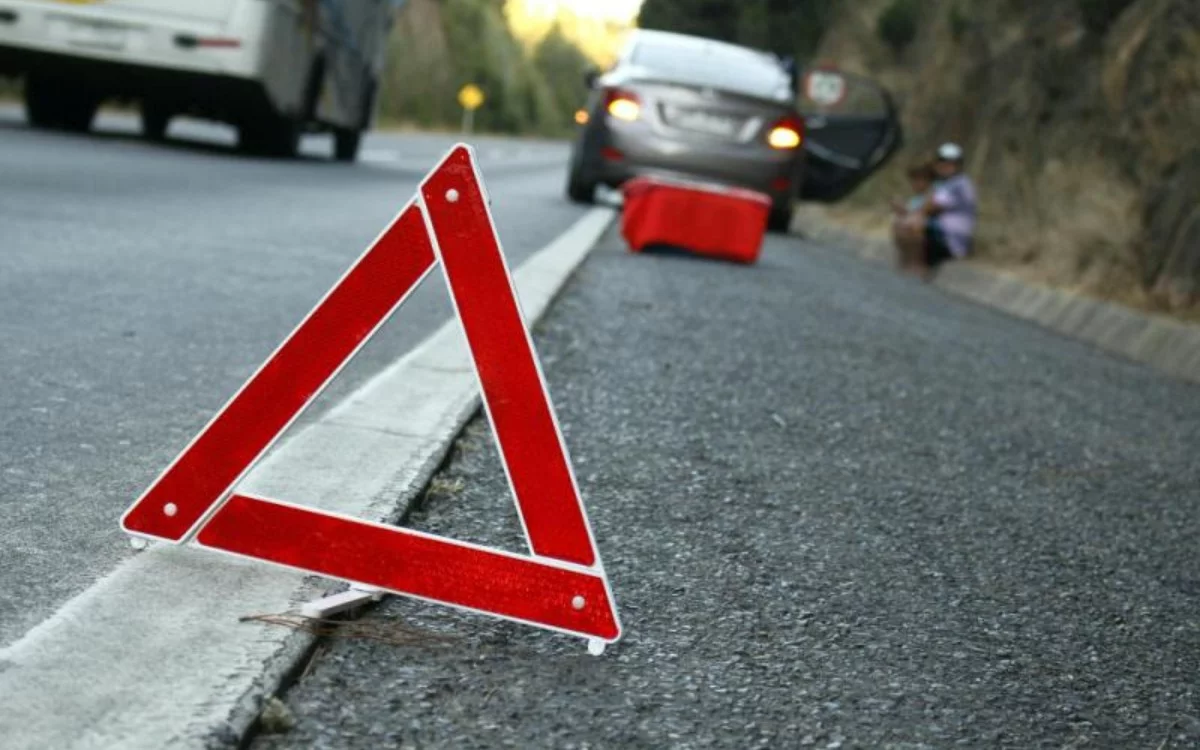
The luminous device, connected to the DGT 3.0, will definitively replace the traditional warning triangles, marking a milestone in road safety in Spain. The key: to signal the emergency without leaving the vehicle.
The landscape of road safety in Spain is about to undergo one of its most important transformations in the last decade. The General Directorate of Traffic (DGT) has set January 1, 2026 as the definitive date when the approved V16 beacon will become the only legal and mandatory device to signal any mishap or breakdown on the road. This means the end of the validity of the already iconic emergency triangles, which have accompanied drivers for decades.
However, this regulatory change is not just a mere bureaucratic update, but a strategic decision aimed at saving lives and significantly reducing the risks associated with forced stops on the road. The DGT advocates for technology and connectivity as essential tools to protect the driver and other passengers.
The reason for the change: safety above all
The main reason for this change is the obvious vulnerability of the driver when having to get out of the car to place the emergency triangle. A situation that worsens on high-speed roads, in low visibility conditions (fog, heavy rain, night) or on the shoulder.
According to a study on traffic accidents conducted by the Spanish Foundation for Road Safety (Fesvial) and Lumileds (Philips), one in three traffic accidents occurs in circumstances of limited visibility or poor lighting, with 75,537 accidents recorded between 2017 and 2021 due to poor lighting. But the most concerning statistic, which drives the DGT, is that of the victims. In recent years, more than 30 people have been killed by being run over on the shoulder or roadway after getting out of their vehicle to place the emergency signaling.
But with the connected V16 beacon, this risk is eliminated. Its design allows for the activation and placement of the magnetic device on the roof of the vehicle without the need to leave the cabin. A quick, safe, and accessible gesture that has proven to be much more effective.
Technical details: What must the approved V16 beacon have?
However, not all luminous beacons are valid. The DGT regulations require that the device purchased and used from 2026 onwards be a connected and approved V16 beacon. This means it must meet very precise technical standards:
- High-intensity visibility (luminous): the beacon must emit a flashing yellow light, visible at an angle of 360 degrees and at a minimum distance of 1 kilometer, both day and night.
- Connectivity (virtual): this is the crucial point. The device must incorporate a geolocation chip and a SIM card. When activated, the beacon must be able to automatically and in real-time send the location of the immobilized vehicle to the DGT 3.0 platform. This connection is guaranteed by the manufacturer, at no additional cost to the user, until January 1, 2038.
- Autonomy and resistance: it must ensure continuous operation for at least 30 minutes and be designed to withstand adverse weather conditions (temperatures between –10 °C and +50 °C). It must also have an IP54 protection against dust and moisture.
The integration with the DGT 3.0 platform is what allows for "virtual visibility." Once activated, the beacon not only alerts nearby vehicles but also transmits the incident to the DGT traffic management systems, which can inform other drivers through light panels or navigation apps, thus optimizing incident management and facilitating the rapid response of emergency services.
Consequences for drivers: the final deadline
Since 2023, the V16 beacon and triangles have coexisted in a transition period. But starting from January 1, 2026, only the connected V16 beacon will be legal.
DGT Recommendations
The General Directorate of Traffic advises drivers not to wait until the last moment to acquire the approved device. In fact, the recommendation is clear: start using the V16 beacon now, taking advantage of its obvious safety benefits.
Penalties
Once the coexistence period is over, non-compliance with the regulations, that is, not carrying a connected V16 beacon in the vehicle or continuing to use only triangles, may result in fines of up to 200 euros, the same amount currently applied for not carrying triangles.
Summary of benefits: beyond the obligation
As we have already said, the replacement of triangles with the V16 beacon is not just a simple accessory change, but a qualitative leap in road safety:
- Speed and convenience: the complex and risky maneuver of getting out of the car is eliminated, as the beacon can be placed in seconds on the roof thanks to its magnetic base, without the need to leave the cabin.
- Greater visibility: the high-intensity light, visible in 360 degrees, provides a clearer and earlier warning than the reflectors of the triangles, especially at night, in fog, or rain.
- Immediate geolocation: the connection to the DGT 3.0 reduces emergency services' response times and ensures that other drivers are alerted virtually, much earlier than reaching the incident point.
In short, the countdown has begun. January 2026 will mark the end for safety triangles and the beginning of a new era of emergency signaling on the road. Acquiring your approved V16 beacon now is an investment in your safety and in complying with regulations aimed at protecting what we hold most dear: life.