From the Andes to the schools of Denver: the bilingual book that teaches children to reach for the sky with a harp.
A story of musical learning and overcoming that originates in a corner of Rubio for the World.
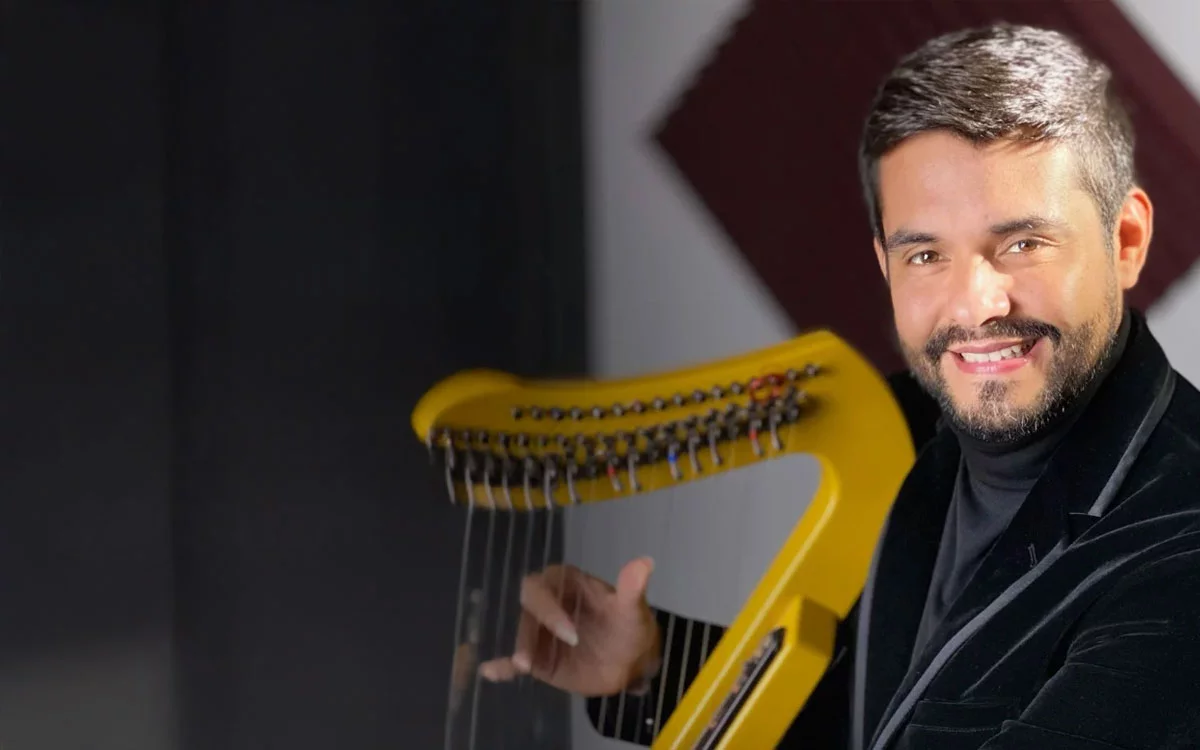
Can a child from the Venezuelan Andes revolutionize world music? The answer is a resounding yes, and now that story is in the hands of the little ones in a bilingual and inspiring format. This is the launch of “LEONARD JÁCOME: The Creator of the Venezuelan Electric Harp”, a literary work that not only narrates the life of a musician but also becomes a manual of resilience and cultural pride.
Written by master’s degree holder and educator Humberly Maldonado, the book was born in Denver, Colorado, with the mission of connecting new generations with their roots. "If we want children to dream big, we must offer them stories that teach them that it is indeed possible," says Maldonado, who has managed to capture the essence of Jácome in a narrative that strengthens family values and promotes the power of speaking two languages, Spanish and English.
An Andean with the soul of a plainsman Leonard Jácome, originally from Rubio, Táchira state, is not a conventional musician. His training with maestro William Acevedo and his time at UPEL Rubio laid the foundations for a successful career. However, it was his work alongside the legend Reynaldo Armas that ultimately shaped his destiny, leading him to understand that the Venezuelan harp knows no borders.
With a Master’s in Musical Composition from the International University of Valencia, Jácome has taken our culture to international stages, demonstrating that emigrating, although difficult, is an opportunity to reinvent oneself without forgetting the driving force of it all: family.
This beautiful story is available worldwide through Amazon at the following link: https://a.co/d/06wEVImK.
Goodbye to limits! Leonard Jácome's electric harp: the sound revolution that was born in Rubio and conquered the world
When we think of a harp, we usually imagine acoustic and traditional sounds. But Leonard Jácome, a visionary born in the "Educational City" of Rubio, decided that Venezuela's national instrument needed a new language for the 21st century. Thus, the Venezuelan Electric Harp was born, a milestone in contemporary lutherie and musical performance.
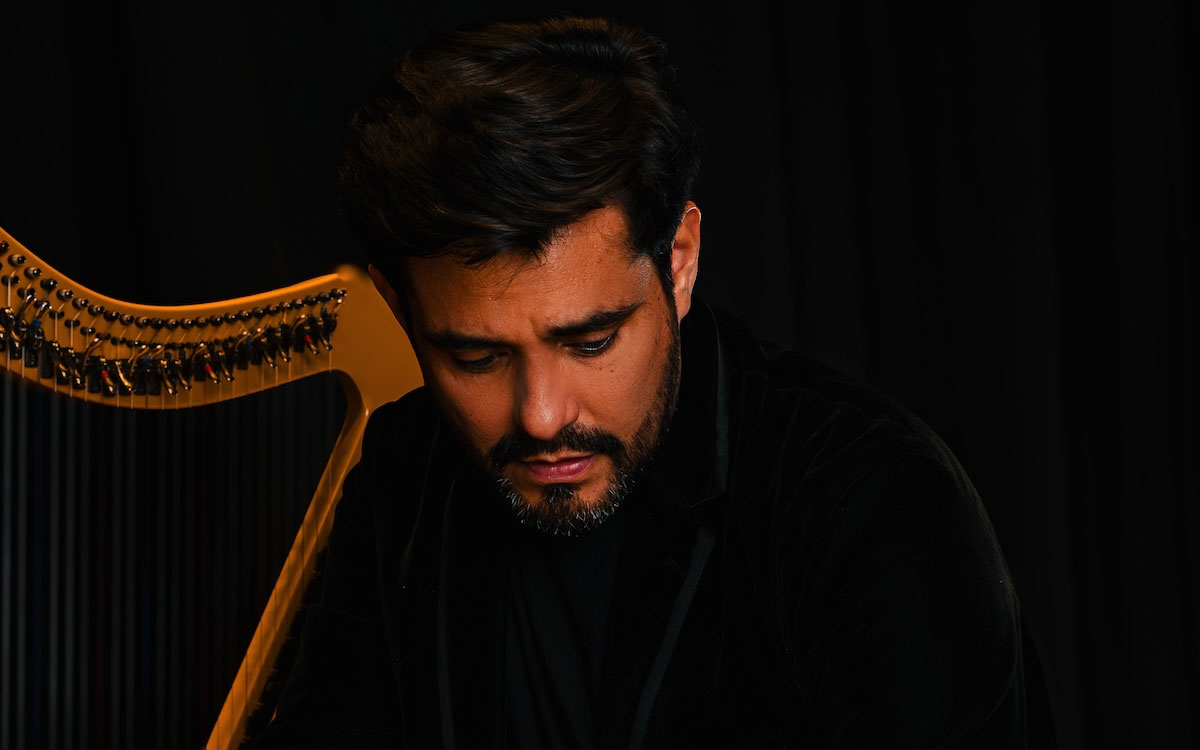
Innovation with a Táchira stamp: The day the Venezuelan Harp became "Electric"
This instrument was not a product of chance. It was developed with the backing of the prestigious French firm Camac Harps, who saw in Jácome the necessary talent to be their international artistic image. The electric harp allows for unprecedented sound versatility, merging the plains tradition with genres such as jazz, rock, and pop, without losing the essence of the bordón and the prima.
Leadership and Academia Jácome's innovation did not stop at the instrument. In 2010, he founded the Venezuelan Harp Chair at the National System of Orchestras (Simón Bolívar Conservatory), institutionalizing the teaching of this instrument under world-class standards of excellence.
Today, from his role as an educator in the Public Schools of Denver, Leonard continues to demonstrate that Táchira creativity is capable of crossing oceans. The Venezuelan electric harp is more than strings and circuits; it is the testimony of a musician who dared to amplify the pride of an entire nation.