Feng Shui: why an excess of red color in the home can disrupt your energy and cause conflicts
Feng Shui warns that an excess of red in the home can affect emotional balance and generate conflicts.
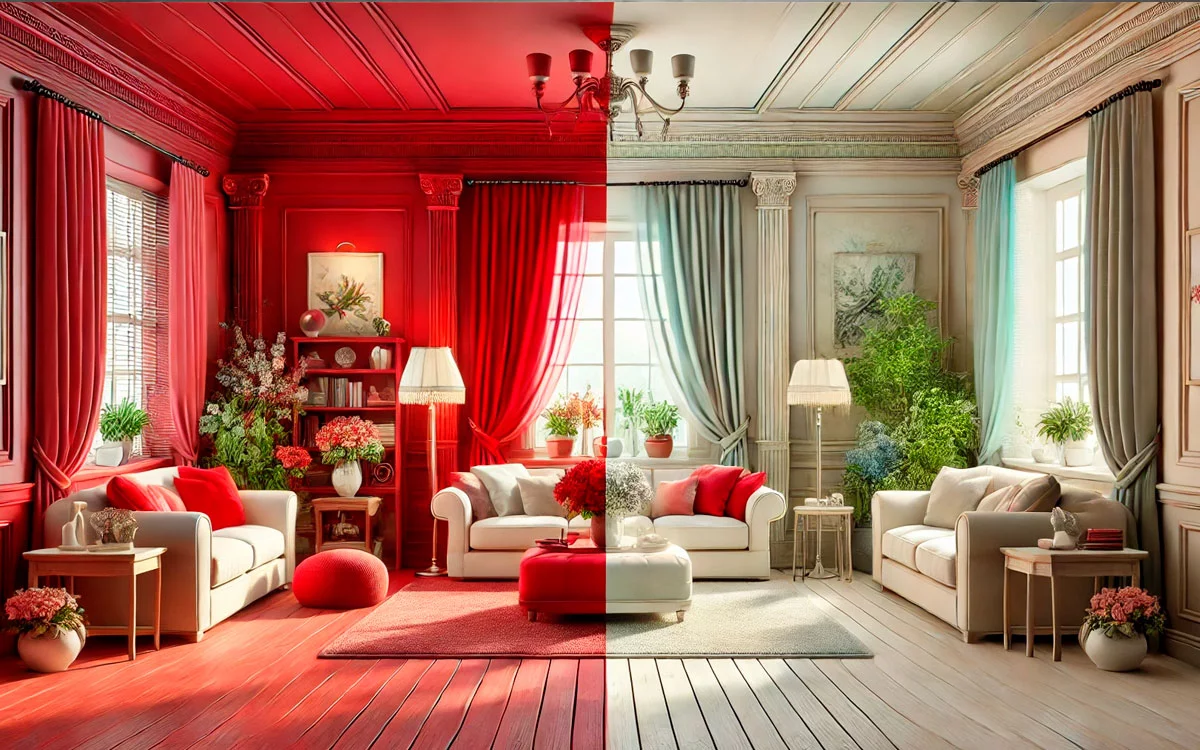
The Feng Shui, one of the oldest Eastern philosophies, has transcended generations and borders to become today a practical guide to harmonizing spaces and achieving personal goals. More than a trend, it is a system based on the observation of energy and its influence on our daily environment.
Although many people associate Feng Shui only with amulets, rituals, and strategic furniture placements, this discipline also pays special attention to the use of colors. Each hue represents a specific energetic vibration that can enhance or block different aspects of our lives. And one of the colors that generates the most controversy within this practice is, without a doubt, red.
Red in Feng Shui: between energy and aggression
The color red, in general terms, symbolizes strength, vitality, power, sexuality, and wealth. For this reason, it is recommended in small doses to attract success, stimulate passion, or activate areas related to money or recognition.
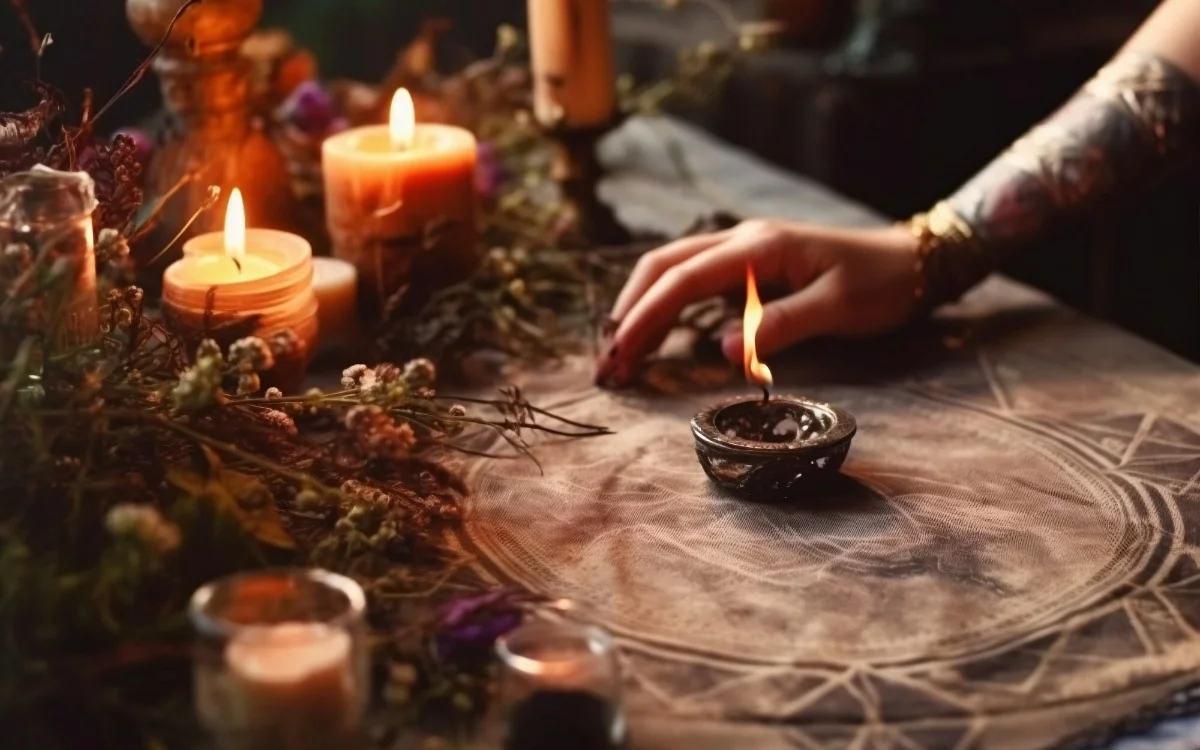
However, Feng Shui warns that overusing red in the home can be counterproductive. According to experts in this discipline, its excessive use is linked to energies of tension, anger, aggression, and even constant conflicts among family members.
The key, according to this school of thought, lies in balance. Too much red can excessively activate the fire element, which can disrupt the natural energy flow of the space, creating an environment more prone to arguments, irritability, and emotional disharmony.
Where and how to avoid the color red according to Feng Shui?
Feng Shui does not prohibit red, but restricts its use in sensitive areas of the home, especially when used on large surfaces like walls, carpets, or curtains. These are the spaces where it is not recommended to overuse red:
- Bedrooms: It can interfere with rest, generate anxiety, or increase tension between partners.
- Living room: It can foster arguments or charged environments.
- Kitchen: Being a space already related to fire, adding red can excessively intensify this energy.
- Bathrooms: It increases energetic volatility and is associated with emotional instability.
On the other hand, it is suggested to opt for more neutral tones, such as beige, white, light green, or soft blue, which promote relaxation, balance, and emotional well-being. If red is desired, it is better to include it in small decorative details, such as cushions, candles, or paintings, and always in moderation.
In what contexts is it advisable to use red?
Within Feng Shui, there are situations where red is a great ally:
- In clothing, especially to attract success, recognition, or physical vigor.
- In energy activation rituals, when seeking to enhance the area of fame, love, or prosperity.
- In symbolic elements such as red envelopes (widely used in Chinese culture for money gifts), amulets, or specific decorative accessories.
In these cases, red acts as a booster. But, like all intense energy, it should be used with intention and in appropriate doses.
Feng Shui as a tool for a harmonious life
The popularity of Feng Shui is not limited to its millennia-old roots in ancient China. Today, it has become a contemporary tool that helps many people connect with their environment, clarify their goals, and live more consciously.
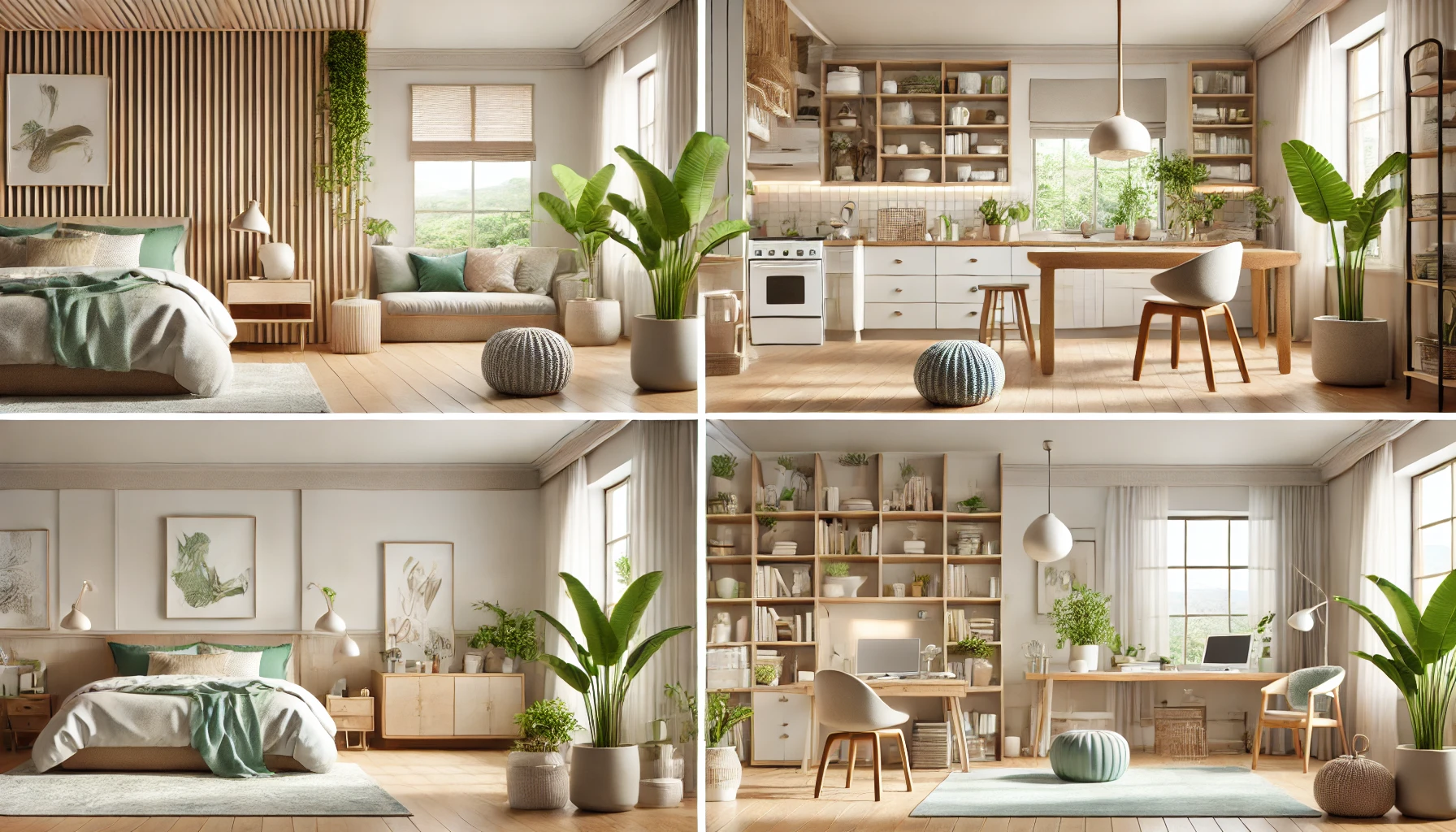
Colors alter the environment according to the millennia-old philosophy of Feng Shui
One of the fundamental principles of this philosophy is that our environment directly influences our mood, our relationships, and our decisions. Therefore, the use of colors, the arrangement of furniture, the cleanliness of the space, and decorative symbolism acquire a new meaning.
Applying Feng Shui at home does not mean making radical changes or following inflexible rules, but rather learning to read the energy of spaces and adapting them to what we truly need in our lives.
A warning that can make a difference
Feng Shui experts agree that colors have a powerful energetic charge. And while red can be very beneficial in certain areas, its misuse can disrupt the harmony of the home.
If you have recently felt that there is tension, fatigue, or recurring conflicts in your home, it may be time to look beyond the obvious. Is there too much red around you? In walls, objects, decorative details? Perhaps a simple color adjustment is the first step towards a more positive and balanced energy.
Feng Shui does not impose, but invites us to look at the place we live with different eyes, reminding us that every color, every object, and every corner has a direct impact on our well-being.