The trick to spending less fuel in your car and improving its performance
Reducing fuel consumption is possible if you follow some key tips. Small improvements can make a big difference in fuel efficiency and in your wallet.
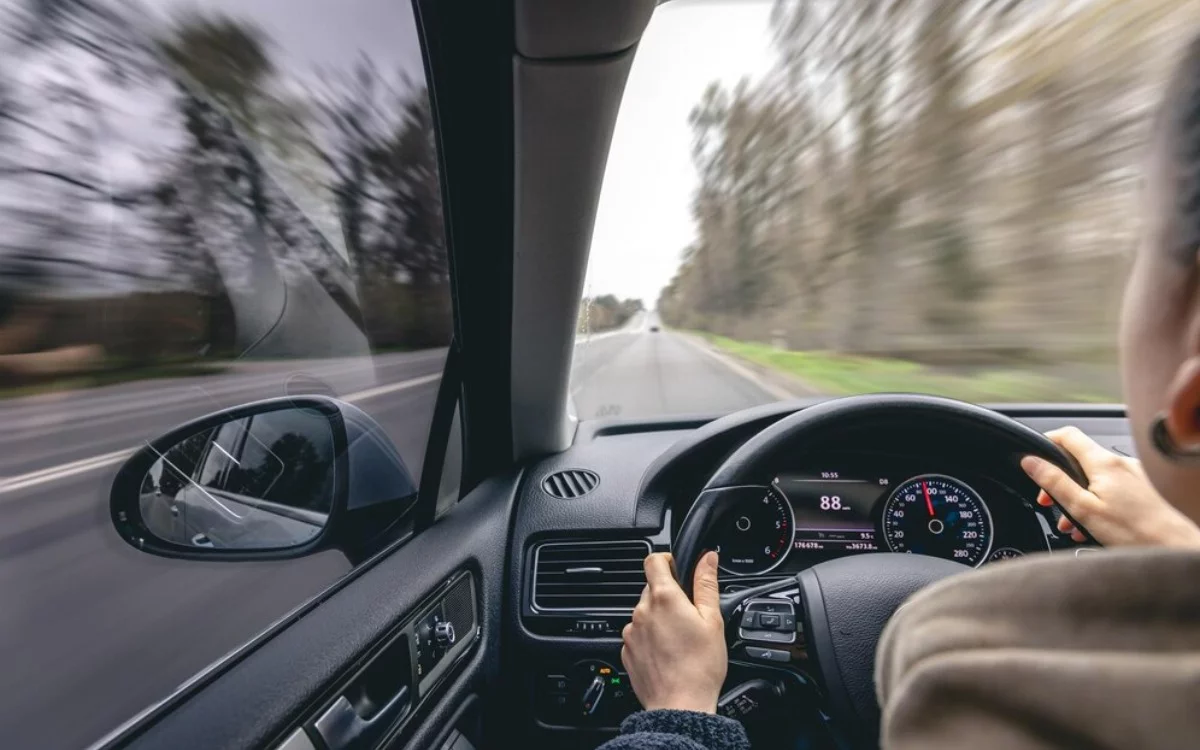
The cost of fuel is one of the main concerns for those who own a car. With prices constantly rising, every liter counts, and many drivers look for ways to optimize engine performance to reduce costs.
It's common to hear complaints when it's time to fill up the tank and the expense is higher than expected. As time goes by, some cars start to consume more fuel without the owner noticing immediately. However, there are certain habits and adjustments that can help save fuel and improve engine efficiency.
How to improve fuel efficiency in your car
While fuel consumption depends on multiple factors, there are effective strategies to help the engine make the most of every liter. Here are some of the most recommended by experts:

1. Check tire pressure
Tires play a fundamental role in fuel efficiency. If they are underinflated, the engine will have to make a greater effort to move the car, which translates to higher consumption.
Recommendation: Check tire pressure at least once a month and adjust it according to the manufacturer's specifications.
2. Don’t neglect oil and filter changes
Regular maintenance is key to the proper functioning of the engine. Dirty filters or bad oil can create greater internal resistance, which increases fuel consumption.
Recommendation: Perform oil and filter changes within the timeframes recommended by the car manufacturer.
3. Check and change spark plugs on time
Spark plugs are essential for efficient engine combustion. If they are worn or in poor condition, the air-fuel mixture will not be optimal, which will increase consumption.
Recommendation: Check and change spark plugs according to the manufacturer's manual, usually every 40,000 to 100,000 km, depending on the model.
4. Avoid carrying unnecessary weight
The more loaded the car is, the greater the effort of the engine will be, and therefore, the fuel consumption. A trunk full of unnecessary items can significantly increase expenses.
Recommendation: Avoid carrying heavy items in the car if they are not necessary for the trip.
5. Plan routes and avoid traffic
Heavy traffic forces the car to make constant braking and acceleration, which negatively impacts fuel efficiency.
Recommendation: Use navigation apps to avoid congested routes and choose smoother paths.
6. Invest in quality tires
High-quality tires not only offer greater safety but also reduce rolling resistance, allowing for better fuel consumption.
Recommendation: Although high-quality tires may be more expensive, in the long run, they help save fuel and improve the car's efficiency.
Driving habits to save fuel
In addition to performing good vehicle maintenance, certain driving habits can make a difference in fuel consumption:
- Avoid sudden accelerations and braking. Driving smoothly helps maintain efficiency.
- Do not leave the engine running unnecessarily. If the car is stopped for more than a minute, it's better to turn it off.
- Use air conditioning in moderation. The climate control system can increase fuel consumption by up to 10%.
- Avoid driving at high speeds constantly. Maintaining a steady speed improves engine efficiency.

How to improve fuel consumption with these simple changes
Is it worth making these changes?
While some modifications may seem minor, together they can generate significant savings in fuel consumption. Additionally, a well-maintained car not only consumes less but also performs better and lasts longer.
Small adjustments in maintenance and driving can make a big difference at the end of the month. Following these tips is not only good for your wallet but also for the care of the vehicle and the environment.