The job you are looking for probably does not exist yet: challenges and job opportunities towards 2030
As AI and global changes redefine the labor market, a key question arises: how to prepare for jobs that do not yet exist? Is it possible to anticipate an answer?
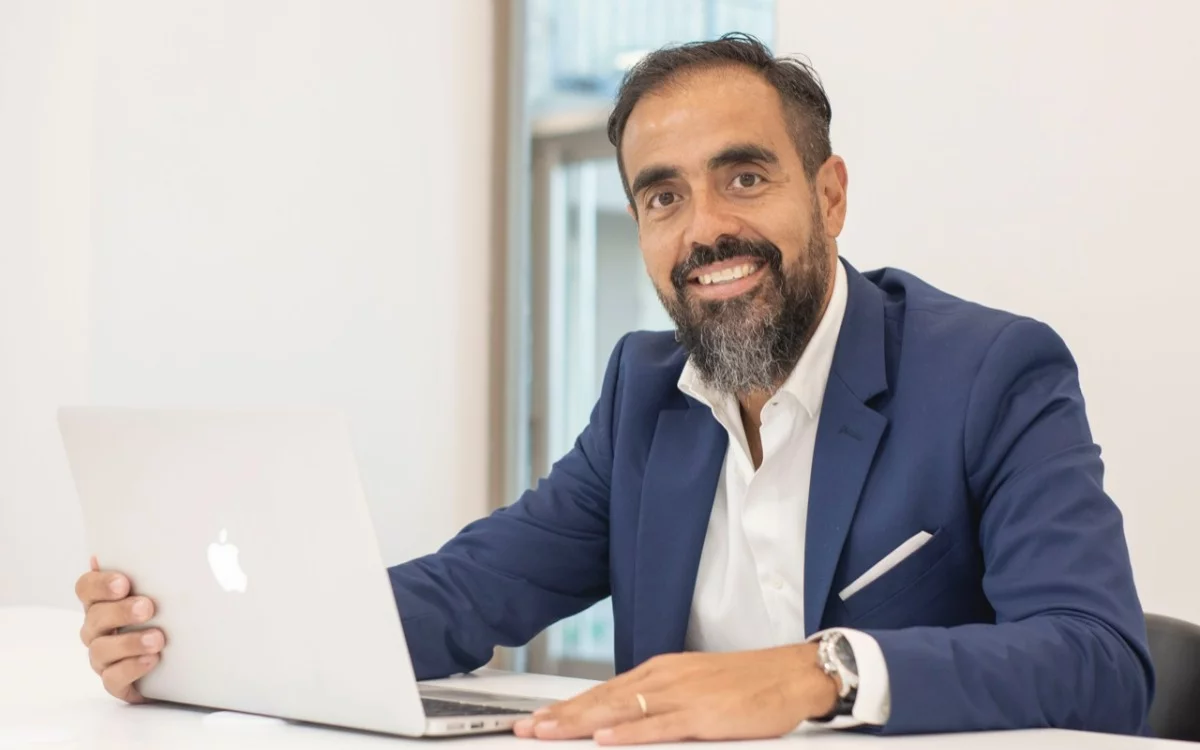
“What do you want to be when you grow up?” is the question that haunts us since we were kids. For some, the answer is easy, others change it over time, and a third group takes years to decide what they want to do with their professional future. They are comforted by being told, “maybe you don’t know what to work on because your job doesn’t exist yet,” and what was answered with a laugh 20 years ago now causes vertigo.
Witnesses to the digital revolution, the advancement of AI, financial crises, global warming, and on the brink of a third world war, what jobs can be accessed when the future is uncertain?
Towards a New Decade: The Most Needed Skills and Jobs in 2030
The latest reports from the World Economic Forum and the ILO are clear: for the next decade, it is estimated that 170 million jobs will be created, but many traditional roles will also be displaced, and almost 40% of the required skills will change by 2030. Moreover, according to a report from Dell, 85% of future jobs don’t even exist today.

The labor market is being reconfigured due to technology, the green transition, and economic and demographic changes. Among the jobs that will grow in the next five years are those in the agricultural sector, software developers, renewable energy workers, and other jobs related to the green transition and technology. Surprisingly, there are traditional professions on this list, such as those in the food and health sectors (including nurses, social workers, and mental health professionals).
By 2030, ten fundamental skills will stand out. First, digital literacy. It is estimated that more than half of jobs will require technology knowledge. Next is augmented work, which involves using artificial intelligence and automation to enhance our capabilities, and sustainable work, as companies will need to focus their resources on ecological goals to avoid climate disasters.
In a world saturated with information, critical thinking and analysis will be other essential capabilities to separate the valuable from the noise. Data knowledge is also important as all sectors increasingly focus on its analysis and management. Virtual collaborative work platforms will continue to gain relevance, adapting to new work dynamics beyond the office.
Those who demonstrate creative thinking will be indispensable for developing innovative solutions to new challenges. On the other hand, emotional intelligence, with its emphasis on empathy, will allow for better human interaction. Finally, the ability to engage in lifelong learning will become one of the most valuable skills for assimilating new knowledge in emerging industries, as well as leadership skills to inspire and bring out the best in teams.
Reducing Gaps and Building Opportunities
In addition to all global challenges, our region faces others: inequalities, unemployment, and a lack of opportunities for young people. According to a report from the International Labour Organization, it is urgent to develop learning systems that provide more opportunities for high-quality training.
The document states that to develop students' competencies, it is essential to improve policies, governance, and financing mechanisms. This must go hand in hand with a survey on the skills most required by the labor market. This way, innovative education programs could be created that adapt to the needs of students.
The future of education and skills requires an urgent systemic change, and this is where non-formal education becomes the missing piece of the puzzle. Due to its flexibility, its speed in adapting to market demands, and its ability to reach any individual regardless of where they are, non-formal education could help reduce gaps and prioritize equity.
Its commitment is twofold: on one hand, it seeks to reduce the deep inequalities that persist in our region. On the other hand, it aims to help individuals improve their skills. While digital literacy, data knowledge, and "augmented work" with AI are essential, so are critical and creative thinking, emotional intelligence, lifelong learning, and leadership capacity.
It is necessary to delve into these challenges and opportunities to think of concrete solutions regarding employability and entrepreneurial development. This way, no one will be left behind on the journey.
To achieve this ambitious transformation, multisectoral collaboration is essential. A collective effort to improve policies and financing, optimize information on skills needs, develop innovative and inclusive programs, and promote work-based learning.
The future we envision is fairer, more sustainable, and prosperous, and we will only build it collectively and by changing the system. Let’s make sure that future professionals don’t feel so alone when asked what they want to be when they grow up.