Dandelion: the often undervalued plant that can transform your health
Weed or miracle? Why you should think twice before pulling the dandelion from the garden.
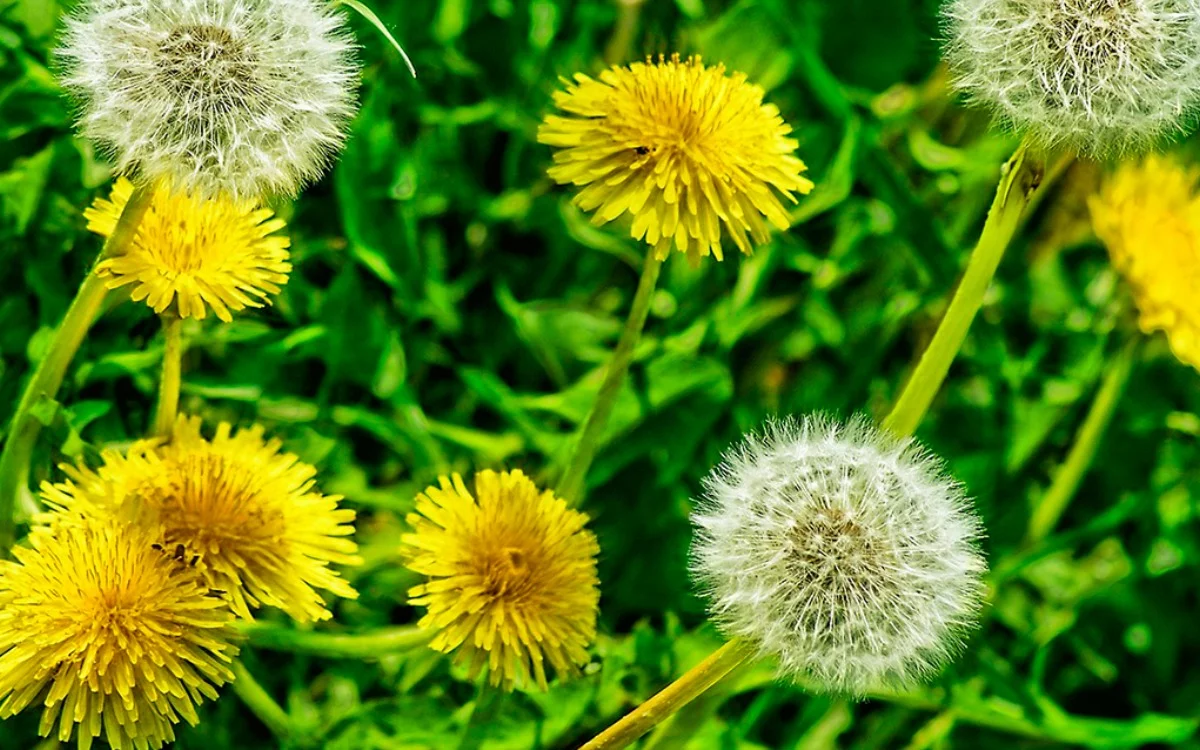
It is likely that in almost any garden in the world there is a small invader that, although it does not usually receive much attention, hides surprising properties. We are talking about the dandelion, a perennial plant that grows spontaneously in all kinds of land and that many people consider a mere weed. With its bright yellow flower and characteristic jagged leaves, the dandelion is ruthlessly removed from gardens and yards. However, this common "weed," scientifically known as Taraxacum officinale, hides in its simplicity a great number of health and culinary benefits, making it a true "blessing of the garden."
The plant of a thousand benefits that few know
The dandelion belongs to the Asteraceae family, just like lettuce, artichoke, daisy, and chamomile. Despite its wild and unremarkable appearance, it is a plant that has been used for centuries in various cultures for its valuable medicinal properties. It is a hardy, perennial plant that is easy to propagate, characteristics that explain its presence in gardens around the world. However, few know that this plant can be a true gem both in the kitchen and in natural medicine.
Next, we explore the main benefits of dandelion and how to take advantage of it at home.

1. Rich source of essential vitamins and minerals
The dandelion is an impressive source of nutrients. Every part of the plant, from the roots to the leaves and flowers, contains vitamins A, C, and K, as well as essential minerals like iron, calcium, and potassium. Vitamin A is known for its role in visual health and the immune system, while vitamin C is key to strengthening defenses and improving skin. Vitamin K, for its part, is essential for blood clotting and bone health.
2. Ally for digestion and gastrointestinal health
One of the most well-known uses of dandelion in traditional medicine is its digestive benefit. The leaves of this plant contain compounds that stimulate the production of gastric juices and bile, thus facilitating the digestive process and preventing issues like constipation and indigestion. Additionally, the root of the dandelion is rich in inulin, a prebiotic fiber that helps maintain a balanced intestinal flora, essential for good digestive health.
3. Powerful antioxidant
Thanks to its content of antioxidant compounds, dandelion helps combat cellular damage caused by free radicals. Among the antioxidants present in this plant are beta-carotene and lutein, known for their protective effects on cells and for delaying the effects of aging. These antioxidants also contribute to reducing the risk of chronic diseases, such as cardiovascular problems and some types of cancer.
4. Anti-inflammatory properties
Various studies have highlighted the anti-inflammatory properties of dandelion. This effect is especially useful for those suffering from chronic inflammatory conditions like arthritis. The plant contains compounds that can help reduce inflammation and relieve pain, making it a natural and safe option to complement conventional treatments for people with inflammatory conditions.
5. Natural liver detoxifier
In herbal medicine, dandelion is recognized as an effective liver detoxifier. Its roots and leaves contain compounds that promote liver health by stimulating bile production, which facilitates the elimination of toxins from the body. Regularly consuming dandelion can help keep the liver in good condition and prevent issues like fatty liver and liver failure.
6. Natural blood sugar regulator
Another interesting benefit of dandelion is its ability to help regulate blood glucose levels. The inulin present in the root of the plant acts as a fiber that reduces sugar absorption, preventing glucose spikes. This makes it a beneficial supplement for people with diabetes or for those looking to prevent blood sugar control issues.
7. Helps control cholesterol
Some studies have suggested that dandelion may contribute to lowering cholesterol levels. Regularly consuming the leaves or root of this plant could reduce "bad" cholesterol (LDL) and increase "good" cholesterol (HDL), promoting a healthier lipid profile and reducing the risk of cardiovascular diseases.
8. Benefits for the skin
Thanks to its antioxidant and anti-inflammatory properties, dandelion is also an excellent ally for the skin. The antioxidants in the plant help combat the effects of exposure to ultraviolet radiation and pollution, factors that often damage the skin and accelerate aging. Additionally, the anti-inflammatory and detoxifying properties of dandelion can help reduce acne and improve the appearance of the skin, giving it a fresher and healthier look.
How to consume dandelion: tea and other options
There are different ways to take advantage of the properties of dandelion. One of the most popular is in the form of dandelion tea, which is prepared with the root and some leaves of the plant.
Dandelion tea recipe
Ingredients:
- 1 teaspoon of dried dandelion root (fresh leaves can also be added).
- 1 cup of water.
Preparation:
- Heat the water until it boils.
- Add the dandelion root and leaves and let steep for about 10 minutes.
- Strain the tea and drink it. It is recommended to consume up to 3 cups a day.
This tea is not only ideal for taking advantage of its properties, but it is also a refreshing drink with a slightly bitter taste, which can be sweetened with a little honey if preferred.
Other uses of dandelion in the kitchen
In addition to infusion, dandelion can be used as a versatile ingredient in various recipes:
Fresh leaves in salads: Young dandelion leaves have a slightly bitter taste reminiscent of arugula. They are an excellent addition to salads and provide a great amount of nutrients.
Powdered root for smoothies: Dandelion root can be dried, ground, and added to smoothies or juices to add fiber and digestive benefits.
Flowers in dishes and drinks: Dandelion flowers can be added to dessert recipes or used to prepare a floral syrup.
Dandelion: an undervalued plant with much to offer
Far from being a mere weed, dandelion is a plant with surprising medicinal and nutritional properties. Although it is often overlooked or removed from gardens without a second thought, this plant is a true gem of nature that offers a wide variety of benefits. From improving digestion to aiding in liver detoxification and protecting the skin, dandelion is an example of how natural resources can be our best allies for a healthier life.