Complete guide to creating a garden at home and consuming fresh food
Ready to get your hands dirty and harvest your own fresh food? Your health and the planet will thank you!
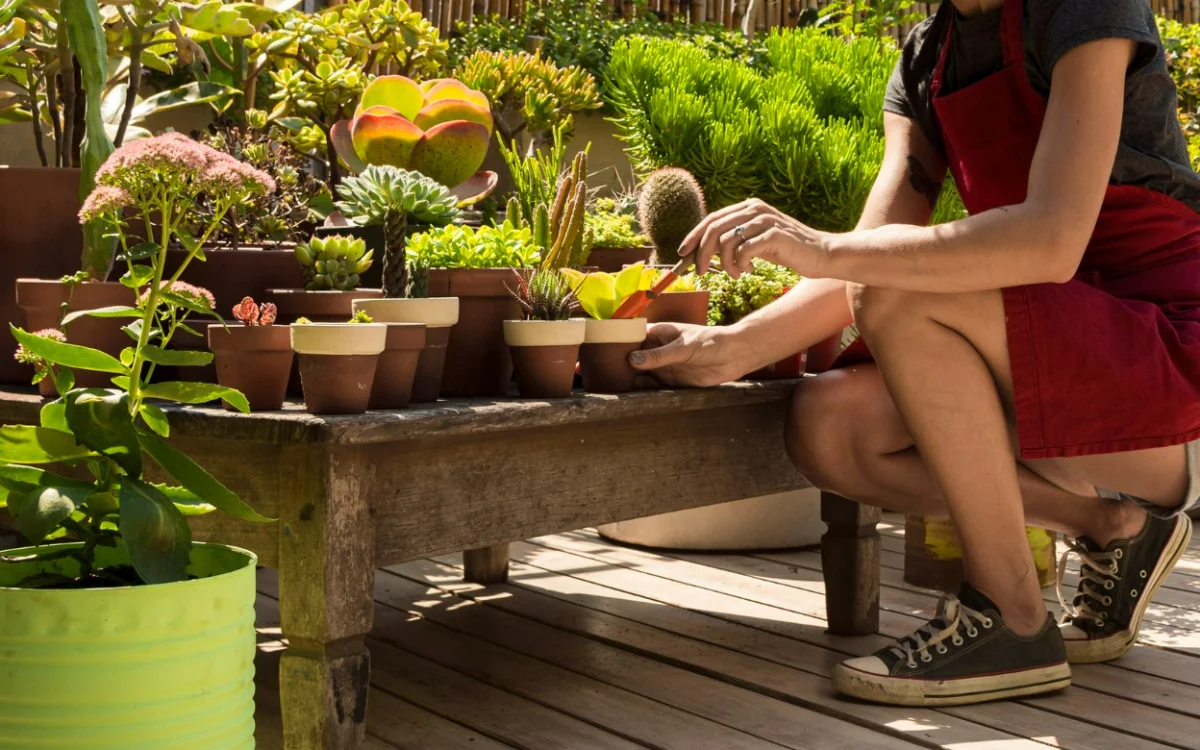
Illustrative Images (Freepik)
Creating a garden at home allows you to enjoy fresh, healthier foods without agrochemicals. Here is a practical, step-by-step guide to get started from scratch, adapted for both houses with gardens and for apartments, balconies, or terraces.
1. Location Selection
- Look for a space with direct SUN: Most vegetables require between 4 and 6 hours of sunlight daily. Prioritize northeast orientation if you can choose.
- Proximity to water: Choose a location near a water source to simplify irrigation.
- Good ventilation: Ensure the area is well-ventilated but protected from strong winds.
2. Material Preparation
- Containers: pots, fruit crates, raised beds, barrels, and even recycled containers—the essential thing is that they have a minimum depth of 30cm and some drainage system.
- Fertile soil: mix black soil with compost or worm humus to obtain a nutrient-rich and loose substrate.
- Basic tools: shovel, rake, watering can or hose, gloves, and gardening scissors.
3. Crop Selection
First, choose simple and fast-growing plants:
- Leafy vegetables: lettuce, Swiss chard, spinach, arugula, green onion.
- Fruits and roots: radish, carrot, beet.
- Others: tomato, bell pepper, eggplant, pumpkin, corn, bean.
- Aromatic plants: basil, oregano, thyme, sage, lavender—help repel pests.
4. Sowing: Seedlings and Transplanting
- Seedlings: Prepare seed trays using yogurt cups or small containers with holes. Fill them with soil, plant seeds at a depth of 1.5 times their size, and water gently.
- Direct sowing: Some species like radish, carrot, corn, squash, or beet are sown directly in the soil or final pot.
- Transplant the seedlings when they have 3-4 leaves or measure 15-20cm (depending on the species). Preferably do this at sunset or on cloudy days to avoid stress on the plant.
5. Basic Care
- Watering: Water early in the morning, avoiding waterlogging. More water in spring/summer and less in winter.
- Mulch and compost: Periodically add a layer of compost or mulch to retain moisture and nourish the substrate.
- Crop rotation: Change the type of plant in each location each season to avoid pests and diseases.
- Pest control: Companion plant with aromatics or use natural solutions like potassium soap or garlic and wormwood infusions.
6. Harvest and Enjoy
- Regular harvest: Harvest the outer leaves first in lettuces and Swiss chard; pick ripe fruits to encourage new production.
- Enjoy freshness: Savor your own freshly harvested foods in salads, stews, or fresh preparations.
Extra Tips
- Feel free to reuse kitchen scraps: many vegetables like green onion, celery, and lettuce can re-root from leftovers.
- Consider a small zen or decorative corner for your garden; it will make cultivation even more enjoyable.
- Involve the family and learn to create compost at home to close the cycle of nature.
Creating a garden is easy, economical, and transformative. It brings health, flavor, and sustainability from your own home.
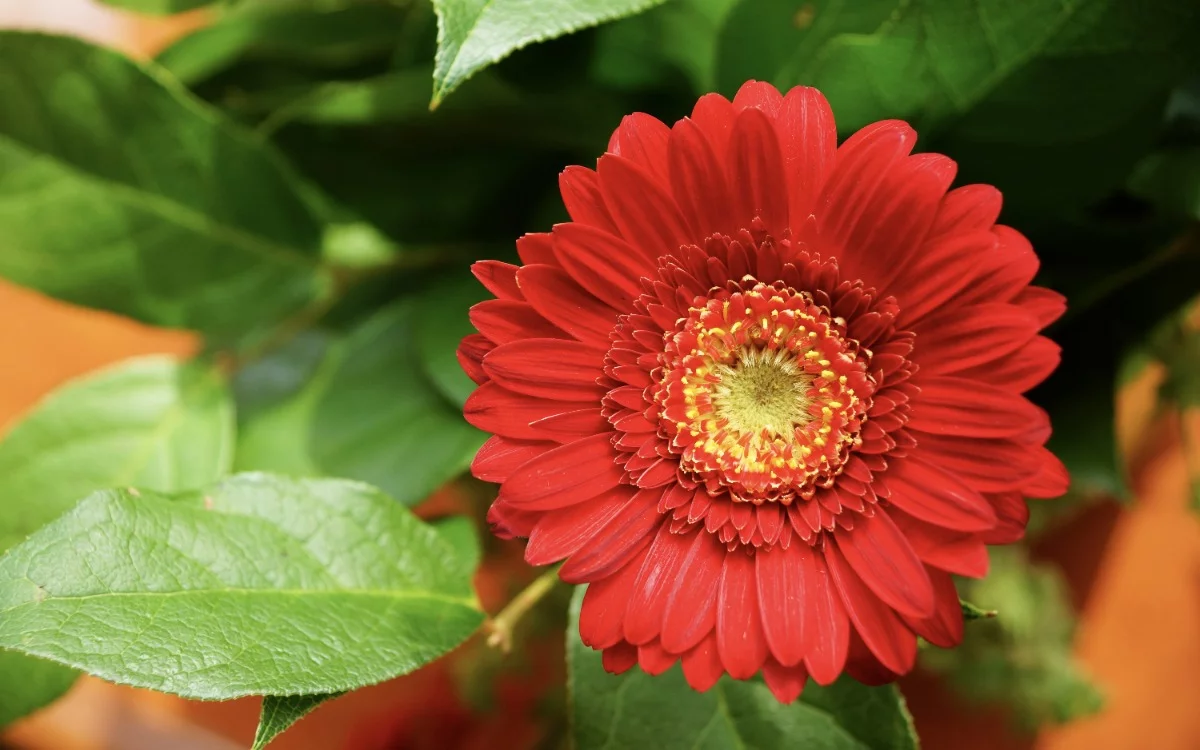
“If the garden is well designed, you save significant time on its subsequent maintenance… Choose a sunny spot, as most species need at least six hours of direct sunlight daily.”
Life in Positiva Newsroom