Cases of type 2 diabetes in children and adolescents are increasing: causes and healthy habits for prevention
Every November 14th, World Diabetes Day is commemorated. In this context, a specialist doctor from the Italian Hospital University of Buenos Aires analyzes the increase in cases of this disease among the younger population and the importance of prevention.

In the context of World Diabetes Day, Dr. León Litwak, director of the Postgraduate Workshop on Diabetes at the Hospital Italiano University of Buenos Aires and author of Diabetes Without Fear published by delhospital ediciones, reflects on the growing number of cases of this disease in children and adolescents, the impact on their quality of life, and what preventive measures can be adopted.
Among the main topics discussed at the XXIV Argentine Congress on Diabetes, which took place last month in the province of Mendoza, the exponential increase of type 2 diabetes in children and adolescents was highlighted. According to a study published by The British Medical Journal, which analyzes the evolution of this disease in 204 countries, its development increased by 56.4% in the young population. It went from having an incidence of 117 per 100,000 inhabitants to 183.
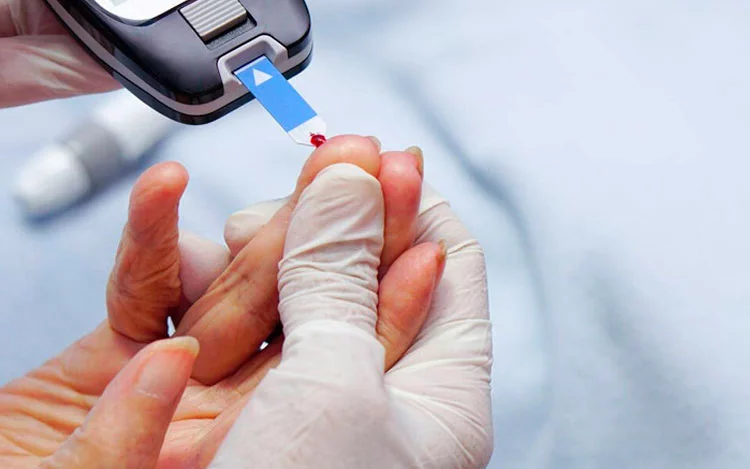
While type 1 diabetes occurs due to a total or partial lack of insulin, which prevents glucose from entering the cells and accumulates in the blood, type 2 diabetes is characterized by insulin resistance. This means that, although the body produces the hormone, it cannot act effectively.
What are the causes of this pathology increasing its presence in children and adolescents?
Dr. Litwak explains: “This disease, which was previously more common in adults, is manifesting in young people due to a sedentary lifestyle and a diet rich in processed foods and high in fats and carbohydrates.”
Impact of type 2 diabetes on long-term health
The specialist points out that the early onset of this type of diabetes not only carries the immediate risks of the disease in the short term, such as increased fatigue or even blurred vision, but also significantly increases the likelihood of developing serious complications in adulthood. Among the most common are cardiovascular, renal, and liver problems.
Fortunately, advances in science in recent years have allowed for the emergence of new medications to treat this disease. Among the most mentioned today is Ozempic, although it has been determined that it is not suitable for everyone and may have side effects.
However, the author of the book Diabetes Without Fear explains that in many cases, type 2 diabetes can be controlled through simple actions in daily life. A balanced diet and regular physical activity are the main recommendations.
The importance of prevention from childhood
Type 2 diabetes is the most common form of diabetes in the world; however, it is a disease that can be prevented. Dr. Litwak emphasizes the importance of implementing preventive measures from the earliest stages of life, even starting in kindergartens.
“Prevention must start from childhood. We must educate children and their families about the importance of leading an active and healthy life. Type 2 diabetes is a disease that can be prevented or at least slowed down if healthy lifestyle habits are adopted, especially when it comes to correcting obesity and sedentarism,” says the expert.
Among the healthy habits that professionals recommend to prevent this condition among the younger population, the following stand out:
- Maintain a low-carbohydrate diet and healthy eating to help keep blood sugar levels stable.
- Engage in regular exercise, at least for half an hour, five days a week.
- Consume fiber-rich foods, as they reduce blood glucose levels and delay sugar absorption: fruits, non-starchy vegetables, legumes, and whole grains.
- Replace common fats with healthy ones, such as olive oil, nuts, and fatty fish like salmon, tuna, and cod.
- Drink enough water daily.
- Maintain a low intake of refined carbohydrates.
- Avoid sedentarism.
- Monitor vitamin D levels, as it regulates blood sugar levels.
- Reduce the intake of processed foods.
Dr. León Litwak's book, “Diabetes Without Fear,” is available for purchase on the website of the publisher delhospital ediciones.