Benefits of urinating in the shower: myths and realities
The conditioned reflex of water: why urinating in the shower can be safe?
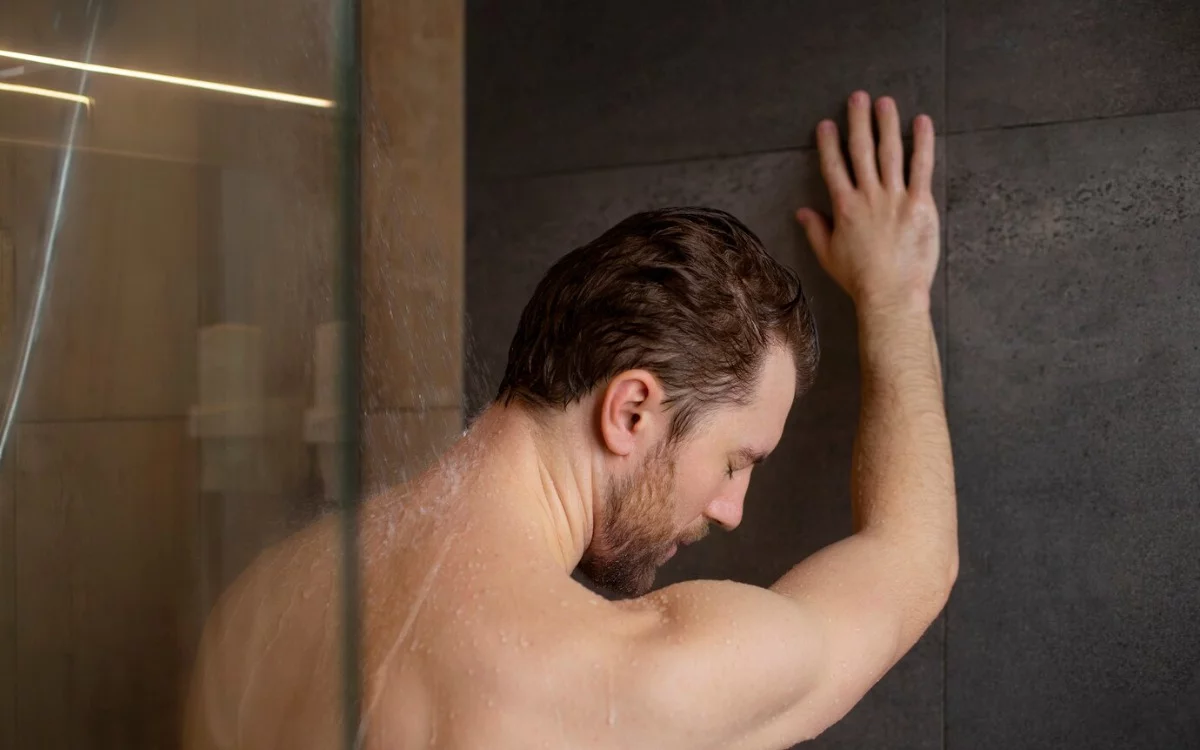
Is it safe to urinate in the shower? Although this practice can generate divided opinions, many people consider it a practical and efficient way to optimize time. However, some wonder if it is really a healthy option or if it could have negative consequences for the body. According to specialists, urinating in the shower does not pose significant health risks, as long as proper hygiene levels are maintained.
Hygiene and potential infection risks
The most discussed aspect of urinating in the shower is its impact on hygiene. Since it is a humid environment with running water, the constant flow quickly washes away the urine, reducing the risk of bacteria accumulation on the skin. This makes the shower a safer space compared to bathtubs or jacuzzis, where water can stagnate and promote the proliferation of microorganisms.
Despite this advantage, specialists warn about certain scenarios where urine could pose a problem. Contact with open wounds is one of them. According to Dr. David Shusterman, a urologist from New York, urine can hinder the healing of injuries due to the presence of bacteria that find a favorable environment to grow on the skin. Therefore, if you have wounds, it is important to cover them with clean dressings to avoid complications.

The relationship between the sound of water and the “conditioned reflex”
A curious psychological phenomenon linked to urinating in the shower is the association between the sound of water and the need to empty the bladder. This “conditioned reflex” can arise when the practice is repeated frequently, causing the brain to automatically relate the sound of running water with urination.
Dr. Shusterman explains that this reflex can be problematic for those who already suffer from overactive bladder. In these cases, the sound of water could trigger an urgent and uncontrollable need to urinate. To prevent this type of conditioning, specialists recommend emptying the bladder before entering the shower.
However, in most cases, this association does not cause serious problems. For most people, urinating in the shower is a matter of convenience and is not linked to automatic responses outside of that environment.
Benefits for pelvic muscles and effortless urination
Another myth about urinating in the shower is related to the position in which it is done. Some people fear that doing it standing up may affect pelvic floor health. However, experts assert that the relaxation of pelvic muscles during urination depends more on other factors than on posture.
In fact, the hot water from the shower can have a relaxing effect that facilitates effortless urination, helping to empty the bladder more naturally. According to Dr. Shusterman, avoiding unnecessary strain while urinating is key to protecting pelvic floor health, as recurrent tensions could lead to long-term urinary problems.
How much does personal comfort influence?
Although urinating in the shower does not pose significant risks for most people, the debate about whether it is appropriate or not is often more related to cultural issues or personal preferences. Some consider the practice unhygienic, while others see it as a practical way to save time and water.
Dr. Karyn Eilber, a urologist, points out that this practice does not present health drawbacks as long as good hygiene is maintained. According to the specialist, decisions like these are often linked more to customs and personal perceptions than to medical evidence.
For those who choose to urinate in the shower, it is important to ensure that the water flows properly and to regularly clean the area, avoiding the accumulation of waste that could generate bad odors or hygiene problems.
The dangers of holding urine for long periods
Regardless of whether you decide to urinate in the shower or not, specialists emphasize that the most important thing is not to hold urine for prolonged periods. Delaying urination can cause problems in the bladder, such as difficulties in completely emptying it or an increased risk of urinary infections.

Hygiene and urinary health: what you need to know about urinating in the shower
The bladder is designed to temporarily store urine, but holding it for too long can cause excessive stretching that affects its normal functioning. By addressing the need to urinate as soon as it is felt, one contributes to maintaining the health of the urinary tract.
Final recommendations for this practice
For those who decide to urinate in the shower, experts share some key guidelines to do so safely and without compromising hygiene:
- Keep the area clean: Regularly wash the shower to avoid waste accumulation.
- Avoid open wounds: If you have skin injuries, cover them before showering to avoid contact with urine.
- Relax during urination: Take advantage of the hot water effect to facilitate urination without straining the muscles.
- Empty yourself before entering: If you prefer to avoid the conditioned reflex, make sure to urinate before turning on the shower.
- Respect family preferences: If you share the bathroom, consult with other household members to avoid conflicts due to cultural or personal differences.