5 reasons why bay leaf tea is more powerful than you think
Why drinking bay leaf tea is a key question if you want to improve your health with a natural infusion full of proven benefits.
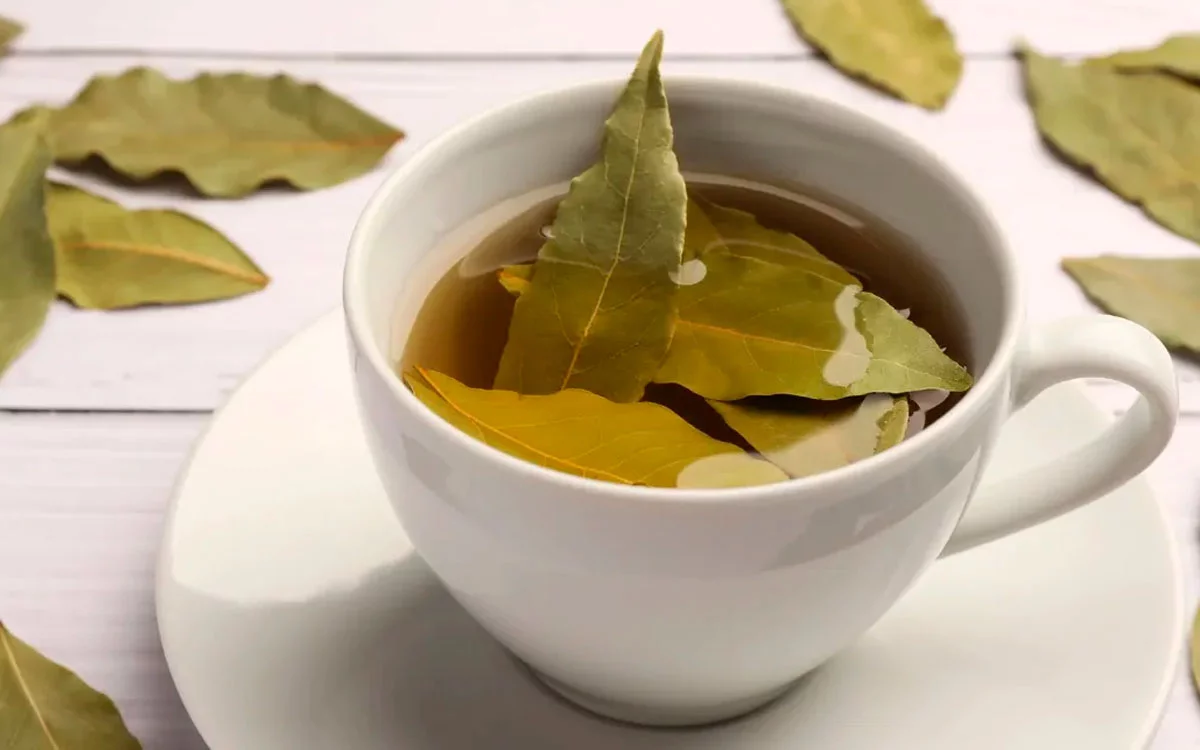
Why drinking bay leaf tea shouldn't be a mystery if you're looking for natural remedies with nutritional backing. Although this leaf is widely known in cooking for its aroma and flavor, its medicinal power has gained prominence among nutrition experts, who highlight five essential benefits of its regular consumption.
An ancestral infusion with current properties
Bay leaf tea is not just an ancient beverage used by ancient civilizations; today, it is once again recommended by nutritionists and health professionals thanks to its digestive, anti-inflammatory, immune, relaxing, and cardiovascular properties. Prepared as an infusion, it can be consumed hot or cold, with or without sweetener, and its moderate consumption — no more than two cups a day — can have a real effect on daily well-being.
1. Improves digestion and combats acidity
One of the most recognized benefits of bay leaf tea is its positive action on the digestive system. It stimulates appetite, promotes gastric secretions, and improves intestinal transit. This makes it an effective natural resource for preventing discomfort such as heartburn, abdominal spasms, or discomfort after a heavy meal.

According to research collected by the Mayo Clinic, its use as an infusion can facilitate slow digestion and prevent mild abdominal bloating.
2. Reduces inflammation and relieves joint pain
Bay leaf also stands out for its anti-inflammatory properties. Its active compounds can help reduce inflammation in the joints, making it a natural ally for people suffering from arthritis, muscle discomfort, or pain resulting from physical exertion.
Although it does not replace medical treatments, its consumption as a supplement has proven to be useful. In traditional medicine, it is attributed calming effects on inflamed areas when used regularly.
3. Strengthens the immune system
Bay leaf tea has been linked to a boost in the immune system. Thanks to its antioxidants and antimicrobial properties, this infusion can help the body protect itself against common viruses and infections.
During cold months or seasonal changes, drinking it in the morning can act as an additional defense against colds, flu, and other respiratory ailments. Experts recommend pairing its consumption with a balanced diet to enhance its protective effect.
4. Reduces stress and promotes rest
Another important reason to consume bay leaf tea is its relaxing effect. Taken at night or during moments of tension, it can help calm the central nervous system, facilitate sleep, and reduce stress levels.
Its consumption is common in natural therapies aimed at treating mild anxiety. Some people combine it with other herbs like lemon balm or chamomile to enhance its calming effect. Although its action is gentle, it can be a healthy habit in rest or meditation routines.
5. Contributes to cardiovascular health
Various studies indicate that the compounds in bay leaves could also benefit the cardiovascular system. The tea from this ancient leaf helps regulate bad cholesterol (LDL) levels and control blood pressure.
Although it does not replace any medical treatment, it is considered a useful supplement within a healthy diet. Moderate consumption is advised, and for individuals with hypertension or chronic diseases, always with professional guidance.
How to prepare bay leaf tea and how often it can be consumed
The infusion is easy to prepare: three dried bay leaves for each cup of boiling water. Let it steep for five to seven minutes, strain, and drink hot or warm. Some people add a slice of lemon or a bit of honey to improve the flavor.
It is recommended to not drink more than two cups a day, one in the morning and another in the mid-afternoon. In excess, it could cause adverse effects such as stomach irritation or interaction with certain medications.
Important precautions
Although bay leaf tea is a natural beverage, its consumption is not without precautions. It is not recommended for pregnant or breastfeeding women, nor for individuals undergoing treatment with anticoagulants, as it may enhance their effects.
As always, it is advisable to consult with a healthcare professional before regularly introducing new infusions, especially if chronic diseases are present or medications are being taken continuously.