The most widespread myths about sweeteners, calories, eggs, and salt
The truth of the specialists about sweeteners and nutrition that few dare to say.

There are beliefs about food that have circulated for years as if they were absolute truths. That sweeteners are better than sugar. That you have to count calories. That the egg yolk is dangerous. That salt is the enemy.
The food industry prefers that there is not too much discussion: the problem is not what is added to homemade food, but what is hidden inside packaged products.
The real problem with sugar is not what is believed
Sugar consumption triples what it should, but the reason is not the sugar added to coffee or mate: it is the amount of packaged products that contain sugar covertly, without the consumer perceiving it or choosing it consciously.
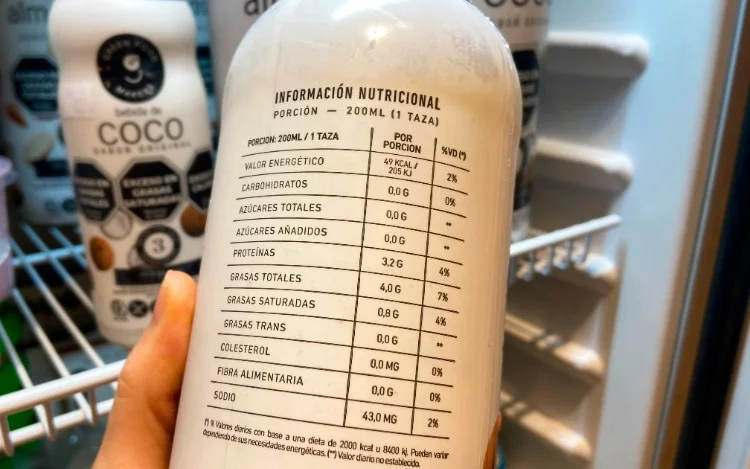
This nuance completely changes the approach. The blame is not on the teaspoon of sugar in breakfast, but on the system of ultra-processed consumption that most have incorporated without questioning it. A teaspoon of sugar in coffee is not the problem. The problem lies elsewhere.
Why sweeteners are not the solution
The trend of replacing sugar with artificial sweeteners, far from solving the problem, exacerbates it. Both artificial sweeteners and sugar create an increasingly higher expectation of sweetness, creating an addictive cycle that is hard to break.
The mechanism is simple: the sweeter the palate gets used to, the more sweetness it needs to feel satisfied. And sweeteners, being much more intense than sugar, accelerate that process until they create a dependency that few associate with something as everyday as sweetening coffee.
The good news is that in ten days it is possible to restore taste buds if consumption is reduced gradually. The recommendation is progressive: if three packets of sweetener are used, start with two, then one, then half. Without drama and without demanding abrupt changes that cannot be sustained.
And stevia? And honey?
Stevia raises an obvious question. The answer is clear: if the stevia leaf has turned into a white powder, something happened in the industrial transformation process that distanced it quite a bit from its natural form. The ideal remains not to sweeten, regardless of the product chosen to do so.
With honey, the approach is more nuanced. It has real advantages over regular sugar, as it provides nutrients that refined sugar does not have. But there is an important warning: do not subject it to heat, because that process destroys its properties. A detail that many people are unaware of and that invalidates several common uses.
The egg yolk and the end of a myth that lasted decades
One of the most compelling points relates to the egg. In a context where protein consumption is on the rise, the evidence comes to defend something that was discouraged for years without much basis: the yolk.
Far from being a problem, the yolk contains protein, beta-carotene, provitamin A, and a quality of fat that makes it especially beneficial for the brain. Discarding it is not only unnecessary but also means losing some of the most valuable nutrients of the food. Regarding the relationship between eggs and cholesterol, the position is equally clear: science is divided, and it is difficult to blame a single food for something so multifactorial.
Calories are not what matters
At a point where more and more specialists agree, the position is categorical: counting calories is a misguided approach. What determines the quality of a diet is not the number of calories it contains, but the quality of the foods that make it up.
The practical recommendation points to the simplest: prioritize fresh foods. This type of diet is not only more economical than relying on processed products, but it also interrupts the addictive cycle generated by ultra-processed foods, reducing the constant hunger that many people experience without understanding why.
Cortisol, schedules, and stress: the connection that few consider
One of the most unexpected contributions relates to cortisol, the stress hormone. The nervous system is regulated regularly, and maintaining stable schedules for sleeping and eating is one of the most effective ways to keep cortisol under control.
When cortisol remains elevated for an extended period, the body is in a constant state of alert that harms both metabolism and overall well-being. A complex intervention is not needed to start reversing it: regularity in daily habits is a sufficient starting point.
Intermittent fasting and what really interrupts it
Intermittent fasting has a precise definition: not eating. During that period, only water, tea, mate, or coffee are allowed, without any additives. Milk, even in small amounts, interrupts the fast. A fact that many people practicing this method are unaware of and that may be invalidating their results without them noticing.
Salt and labeling: two topics that the industry prefers to avoid
Regarding salt, the logic is the same as with sugar: the problem is not in the sea salt added at home, but in the hidden sodium that comes in packaged products. Adding a little sea salt to water can even add beneficial minerals and nutrients.
Front labeling of foods, on the other hand, has generated a real change in consumption habits. Since warning labels became mandatory, consumers make more informed decisions, and the industry has been forced to reformulate products to eliminate those labels. A systemic change that, unlike individual advice, has scale and real impact on public health.