Why your dog puts its paw on an object and what it tries to tell you
What does it mean when your dog puts its paw on an object? This behavior, although it may seem simple, can have multiple interpretations depending on the context and the situation in which it occurs.
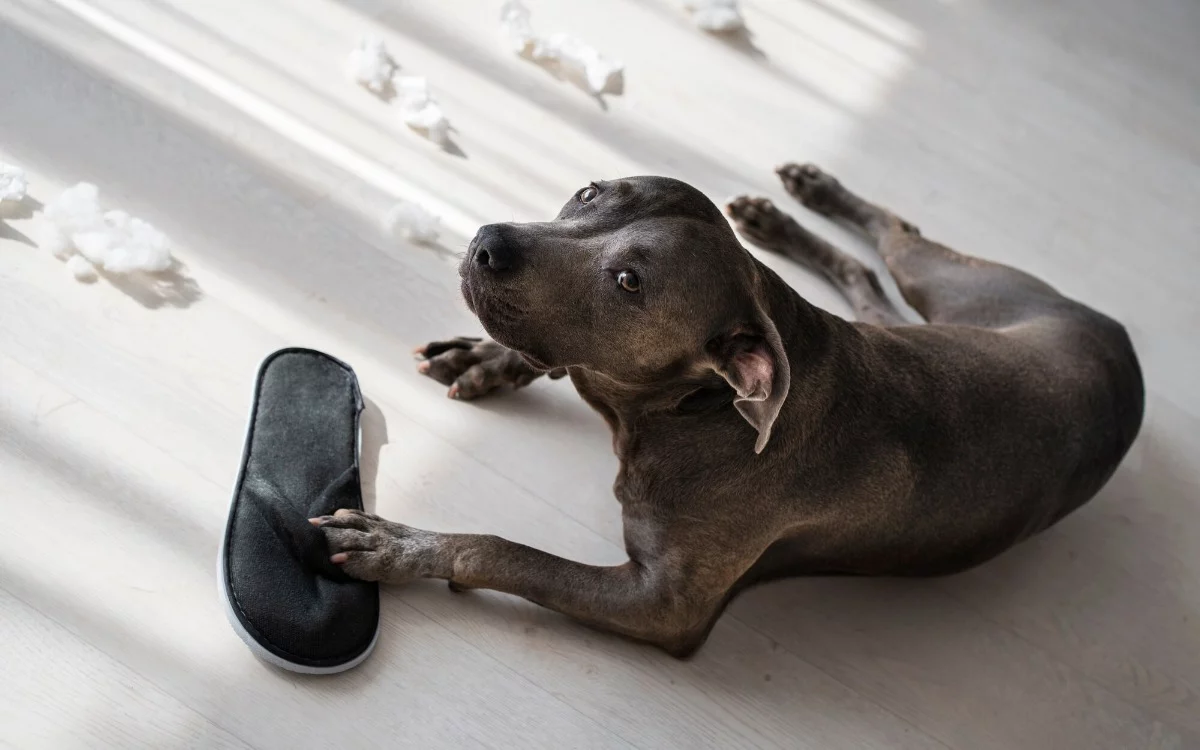
Dogs, as social and communicative animals, often use different body gestures to express emotions, intentions, and needs. Below, we will explore the main reasons behind this curious action that, for many owners, can be intriguing or even amusing.
A matter of territory: marking what is theirs
One of the most common meanings when a dog places its paw on an object is related to its territorial instinct. By placing its paw on something, your dog may be saying “this is mine”. This behavior is frequently observed with toys, its bed, or even your clothes, anything they consider valuable. Although it may seem cute or innocent, this action has deep roots in their animal nature.
When dogs interact with their environment, they often resort to using their paws, just as they do with their nose or tail. Putting a paw on an object can be a physical way of signaling their possession, especially if the object has emotional value for them, like a favorite toy. This can also be a way to "anchor" something to prevent other dogs (or even humans) from taking it.
Attention-seeking: “look at me, I’m here”
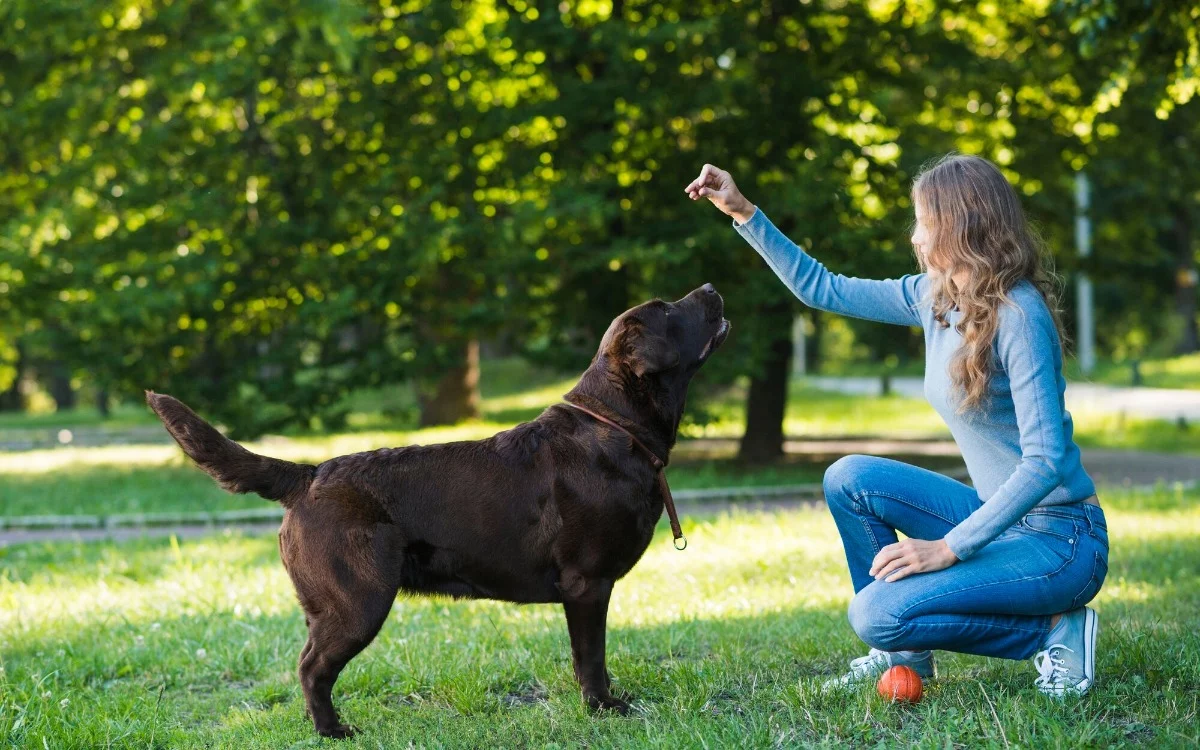
Have you noticed that your dog puts its paw on something just when you are nearby? This gesture could simply be its way of asking for attention or interaction with you. Dogs are natural observers and quickly learn which behaviors elicit a response from their owners. If at any point you reacted by petting or playing with it when it used its paw, it is likely to repeat it to capture your interest.
For example, if your dog puts its paw on your leg or on an object while looking at you, it may be seeking affection or inviting you to play. This behavior is reinforced over time, as the dog associates it with a positive response from you. In this case, there are no signs of dominance or territoriality, but a simple need for connection with you.
Dominance or trust?
Another possible meaning of this behavior is related to the hierarchy within the family group or the dog's trust in its environment. Putting a paw on an object can be a subtle way of demonstrating leadership or control. It is important to clarify that this does not always imply aggression or a challenging attitude. On the contrary, it can be a manifestation of self-confidence.
In the context of dominance, this behavior is more likely if accompanied by other gestures, such as an upright posture, fixed gaze, or even growling. However, in most cases, especially in well-socialized dogs, this action is simply a sign of confidence. It’s as if the dog is saying: "I’m calm and I know this is under my control."
Exploration and curiosity: a natural instinct
Just as humans use our hands to touch and examine objects, dogs also use their paws to explore the world around them. If the object is new or has an interesting texture, it is normal for the dog to want to feel it with its paw. This gesture is part of their natural instinct for curiosity.
For example, if you introduce a new toy or leave something unusual in its space, your dog might approach, sniff it, and eventually place its paw on it as part of its analysis process. This behavior is often more frequent in young dogs or those that are particularly curious.
A gesture related to play
If the object in question is a toy, like a ball or a bone, the act of putting its paw on it could be related to your dog's play instinct. In nature, canids like wolves tend to use their paws to catch and control their prey. In the domestic context, this behavior translates into a playful gesture.
Placing a paw on a toy can be an invitation to play or simply a way to ensure that the object doesn’t move too much while they bite or interact with it. This behavior reflects their instinctive side, but also their desire for fun.
How to understand your dog's true message
Interpreting the exact meaning of this behavior will depend on the context and the overall body language of your dog. Here are some tips to decipher what it is trying to communicate to you:
- Observe its overall posture: If the dog is relaxed and wagging its tail, it is likely playing or seeking attention. If its body is stiff or shows signs of tension, it could be marking territory or showing dominance.
- Identify the object: Is it something valuable to it, like a favorite toy, or just a new object it is exploring?
- Evaluate the moment: Was the dog interacting with you just before putting its paw on the object? This may indicate that it is seeking your attention.
If the behavior becomes frequent or is accompanied by growling, barking, or protective attitudes, it may be helpful to consult with an animal behavior specialist, such as a trainer or a canine ethologist. They can help you identify if the gesture is related to a more complex behavioral issue.
Ultimately, the meaning behind your dog placing its paw on an object can vary widely depending on the situation. From marking territory to seeking attention or exploring its environment, this gesture is yet another reminder of the complex non-verbal communication of dogs. Observing your dog closely and understanding the context will allow you to better interpret its needs and strengthen your bond with it.
If this behavior becomes frequent or is accompanied by growling, barking, or tension, it may be helpful to consult a trainer or canine ethologist to better assess the situation.