How to help dogs that won't stop barking: the method from the book "Bark!"
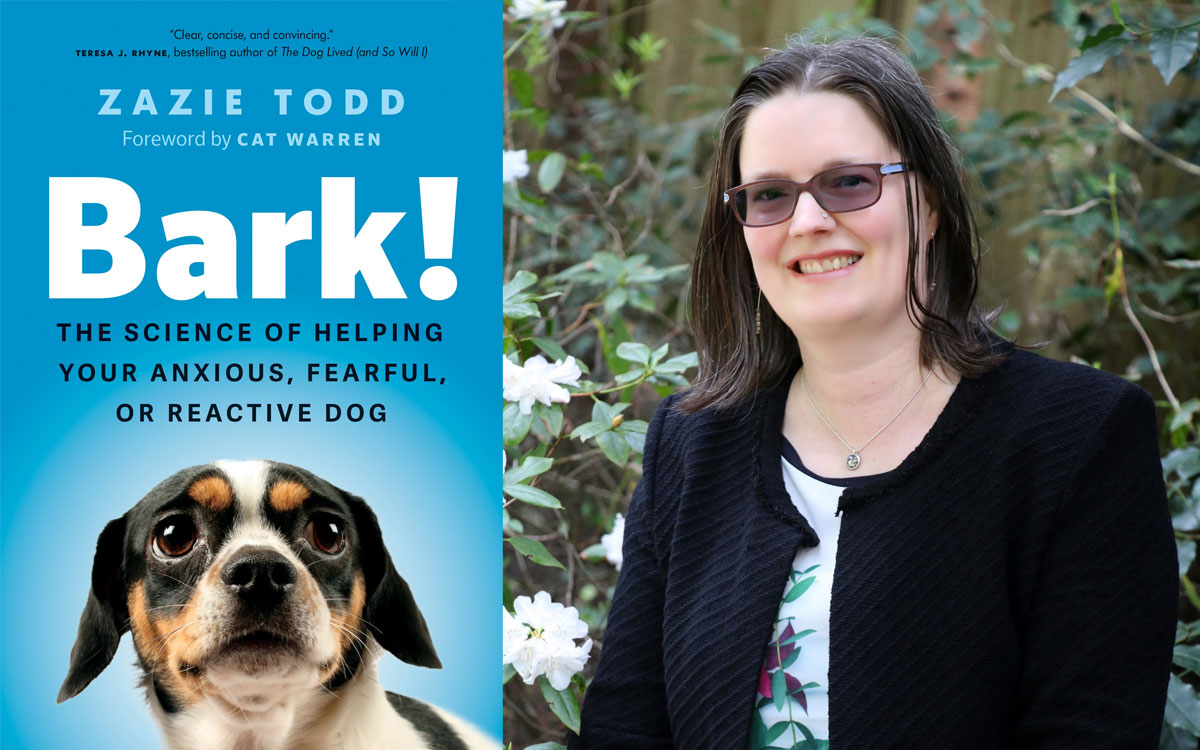
Does your dog bark non-stop, showing anxiety or disproportionate reactions? English author Zazie Todd, in her book Bark!, offers practical strategies to address canine anxiety and promote the well-being of both the dog and its owner.
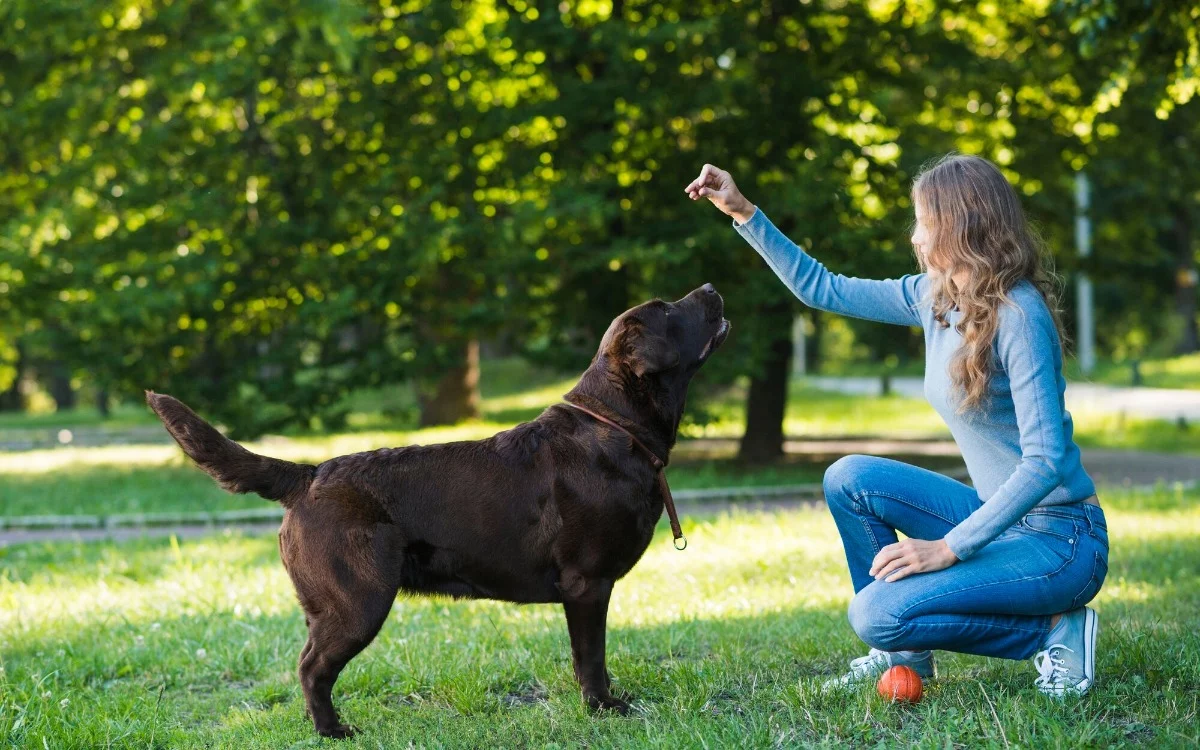
This innovative approach, based on positive reinforcement and understanding reactive behaviors, is transforming the way we address the emotional issues of our pets.
Reactive dogs: what are they and how to manage them?
A reactive dog responds excessively to certain stimuli, such as other dogs, unfamiliar people, or even loud noises. These reactions include excessive barking, growling, or jumping, and are often motivated by fear, frustration, or anxiety. According to Todd, understanding the causes behind these behaviors is the first step to solving them.
The author points out that these reactions are not intentional but rather natural survival responses. “Fear can manifest as barking or even aggression, but with proper management, these behaviors can be redirected towards calmer responses,” explains Todd.

Positive reinforcement: the key to lasting change
One of the pillars of the book is positive reinforcement, a technique that has gained the support of animal behavior experts. This strategy involves rewarding desired behaviors, such as calmness or obedience, rather than punishing undesirable responses.
Todd details how positive reinforcement helps anxious dogs associate stimuli that previously caused them fear with positive experiences. For example:
- Tangible rewards: treats, toys, or petting that reinforce the desired behavior.
- Gradual exposure: facing the dog with challenging stimuli in a controlled manner, rewarding their calmness.
Over time, dogs begin to respond more relaxed to situations they previously perceived as threatening. This approach not only modifies behavior but also strengthens the bond between the dog and its owner.
Anxiety in dogs: common causes and how to treat them
Todd dedicates a section of the book to identifying and treating different forms of canine anxiety. Here are some of the most common and the solutions she proposes:
Separation anxiety
Many dogs suffer from separation anxiety, a common problem that arises when they feel insecure being left alone. Symptoms include persistent barking, destruction of objects, and restless behaviors.
To address this issue, Todd suggests:
- Progressive training: start by leaving the dog alone for short periods, gradually increasing them.
- Positive associations: offer interactive toys or treats before leaving, creating a pleasant experience during the owner's absence.
- Patience and consistency: respect the dog's pace and do not rush the process.
Fear of loud noises
The fear of fireworks, storms, or loud noises is another common challenge in anxious dogs. For these cases, Todd proposes desensitization techniques, such as playing recordings of the sounds at low volumes while rewarding calm behaviors.
Veterinary visits
Many pets fear veterinary appointments, associating them with negative experiences. Todd suggests practicing simulated visits, taking the dog to the clinic just to walk around and receive treats, creating positive associations with the environment.
Safe spaces: a refuge for calm
A fundamental piece of advice in Bark! is the creation of a calm and safe space at home for anxious dogs. This place, free from disturbing stimuli, allows them to relax when they feel overwhelmed.
To set up an appropriate refuge:
- Use comfortable beds and soft blankets that invite rest.
- Add interactive toys that keep the dog positively distracted.
- Reduce external noises, using thick curtains or relaxing music if necessary.
These spaces not only provide emotional rest but also promote the animal's safety and stability.
Managing the owner's stress
Todd's approach is not only directed at the dogs but also at their owners, who often experience frustration or stress when dealing with reactive pets. Bark! offers strategies to manage these emotions, reminding caregivers that change is a gradual process.
Some tips include:
- Celebrate small advances: every improvement, no matter how small, is a step towards the goal.
- Accept professional help: working with a certified trainer or behaviorist can make a significant difference.
- Remember the purpose: training not only transforms the dog but also improves the relationship with its owner.
Advanced techniques for complex cases
In dogs with deeper anxiety issues, Todd suggests exploring advanced techniques such as:
- Counter-conditioning: teaching the dog to associate negative stimuli with highly valued rewards.
- Clicker training: using a clicker to mark desired behaviors and immediately reinforce them with rewards.
- Veterinary consultations: in some cases, it may be necessary to resort to medical treatments to manage severe anxiety.
An empathetic and practical work
Bark! stands out for its warm and understanding tone. Todd understands that living with an anxious dog can be an emotional challenge, but she also emphasizes that, with small consistent changes, significant transformations are possible.
The author emphasizes that each dog is unique, with its own fears and experiences. Therefore, she adapts her advice to individual needs, promoting training based on respect and love.