Why do Italians eat pasta and pizza, are thin, and have less type 2 diabetes?
Despite the fact that pasta is a carbohydrate-rich food, Italy has a lower incidence of type 2 diabetes compared to other countries.

The lower incidence of diabetes in Italy is not due to a lower consumption of pasta, but rather a combination of balanced eating habits, moderation, physical activity, and a focus on fresh, high-quality foods. Pasta is integrated into the diet in a balanced way, with appropriate portions and cooking methods, rather than being a staple food or consumed in excess. Below, we explain the most relevant elements that explain this trend in their lifestyle and eating patterns.
Mediterranean diet
The Italian diet falls within the Mediterranean diet, which includes a high intake of fruits, vegetables, legumes, nuts, whole grains, fish, and olive oil. This type of diet is rich in fiber, antioxidants, and healthy fats, which help regulate blood glucose levels and reduce insulin resistance, crucial factors in preventing type 2 diabetes. Pasta is just one part of this balanced diet, not the predominant element.
Quality pasta and al dente
Italian pasta is usually made with durum wheat, which has a lower glycemic index compared to other pasta varieties. Additionally, in Italy, it is cooked al dente, meaning that the pasta remains firm and is not overcooked. Pasta al dente has a lesser impact on blood glucose spikes, as the body takes longer to digest it and absorb its carbohydrates. This effect helps maintain more stable blood sugar levels.

Moderate portions
In Italy, pasta is consumed in moderate portions, generally as a small dish within a larger, balanced meal. It is common for pasta to be the first course (primo piatto) in a meal, followed by a portion of lean protein or vegetables. Moderation in carbohydrate portions helps avoid spikes in blood glucose and consequently reduces the risk of developing diabetes.
Consumption of fresh and less processed foods
Italians consume fresh and local foods, avoiding ultra-processed products and those with high levels of added sugar, which are common in other Western diets. Home-cooked meals with natural ingredients help maintain better control over the quality and quantity of nutrients, avoiding excessive sugars and saturated fats, which can contribute to the development of diabetes.
Active lifestyle
The Italian lifestyle tends to be more active, especially in cities where people frequently walk and engage in daily physical activities as part of their routine. Regular exercise, even if mild, improves insulin sensitivity and helps maintain a healthy weight, which is a key factor in reducing the risk of diabetes.
Culture of eating slowly and at regular times
In Italy, meals are moments of socialization and enjoyment, and they are taken at a slower pace. Eating slowly aids digestion and allows the body to register the feeling of fullness before overeating. Regular meal times also contribute to regulating metabolism and keeping blood sugar levels stable.
Lower consumption of sugary drinks
Unlike other countries where sugary drinks and sodas are a common part of the diet, in Italy these beverages are not as popular. Instead, water, moderate amounts of wine, and unsweetened coffee are preferred. By avoiding frequent consumption of high-sugar beverages, the risk of diabetes decreases significantly.
Nutritional education and culinary tradition
In Italy, there is a strong tradition of home cooking and nutritional education from an early age. People learn about the importance of fresh ingredients, appropriate portions, and food combinations for a balanced diet. This fosters a healthier relationship with food and reduces the incidence of habits that can contribute to metabolic diseases.
Meal traditions and schedules
Italians tend to respect meal times and avoid snacking in between. This regulates appetite and prevents excessive calorie consumption throughout the day. Additionally, dinners are usually light and relatively early compared to other countries.

Family walking through narrow and picturesque streets
The secret of Italian pasta and the difference with Argentina, a country chosen by millions of Italian immigrants
Italian pasta and Argentine pasta share roots in Italian culinary tradition, but there are several differences that reflect cultural adaptations and local tastes. Below, I detail some of the key differences:
1. Ingredients and types of pasta
- Italian pasta: In Italy, pasta is traditionally made with durum wheat semolina and water, resulting in a firm pasta with a more resilient texture. There are over 300 types of pasta in Italy, and each variety is designed to pair with specific sauces.
- Argentine pasta: Pasta in Argentina is made with a greater variety of flours, including soft wheat flour, which gives it a softer texture. While classic pastas like spaghetti and noodles are common, fresh pasta types, such as gnocchi and ravioli, have also become very popular in the country.
2. Sauces and accompaniments
- Italy: In Italy, each type of pasta is usually accompanied by sauces that complement its shape and texture. The sauces are simple, and high-quality ingredients are key. Tomato-based sauces, pesto, carbonara sauce, and alfredo sauce are some of the most popular, and the amount of sauce is usually moderate, not completely covering the pasta.
- Argentina: In Argentina, sauces tend to be more abundant and heavy. Tomato sauce, bolognese (ground meat and tomato sauce), and white sauce (béchamel) are the most common, served in generous amounts. Additionally, it is customary to accompany pasta with plenty of grated cheese and, in some regions, a touch of cream to give it more consistency.
3. Customs and frequency of consumption
- Italy: Pasta is a staple food in Italy and is consumed daily, but in moderate portions. It is common to eat pasta as the first course (primo piatto), followed by a second course with meat or fish.
- Argentina: In Argentina, pasta is also very popular, but its consumption is usually less frequent than in Italy, often reserved for weekends or family gatherings. A very characteristic day is the 29th of each month, when "Gnocchi Day" is celebrated, and it is a tradition to prepare homemade gnocchi.
4. Variety of fillings
- Italy: In Italy, pasta fillings such as ravioli or tortellini tend to be more varied and specific to the region. For example, it is common to find fillings of spinach and ricotta, pumpkin, or meat, but with subtle flavors and without many seasonings.
- Argentina: In Argentina, ravioli and other stuffed pastas tend to have simpler fillings, such as ricotta and ham, or meat. In general, the fillings tend to be larger in size and with a stronger flavor, adapted to local palates.
5. Cooking times
- Italy: Pasta in Italy is cooked al dente, meaning slightly firm when bitten, which helps maintain its structure and flavor. Italians highly value precise cooking to achieve the perfect texture.
- Argentina: In Argentina, pasta is often cooked a little longer, making it softer. Although it is increasingly common to find recipes and restaurants offering al dente pasta, the soft cooking remains a culturally accepted preference.
6. Influence of other culinary traditions
- Italy: Italian pasta has remained true to its roots, following recipes and traditions that have been passed down for generations, although each region has its own approach.
- Argentina: Argentine pasta has evolved and mixed with influences from other cultures that arrived in the country, such as Spanish and French, leading to original combinations like the use of cream sauce with mushrooms and dishes like Argentine-style stuffed cannelloni.
Italian pasta is characterized by its variety, simplicity, and respect for tradition. Argentine pasta, while similar in its foundations, has adopted characteristics that reflect local taste and has adapted to be more substantial, with abundant sauces and more intense flavor combinations.
Making spaghetti al dente is easier than it seems!
Here we share the process and some additional tricks to achieve the ideal texture in your spaghetti, as well as some interesting facts about this famous pasta.
Process for making spaghetti al dente
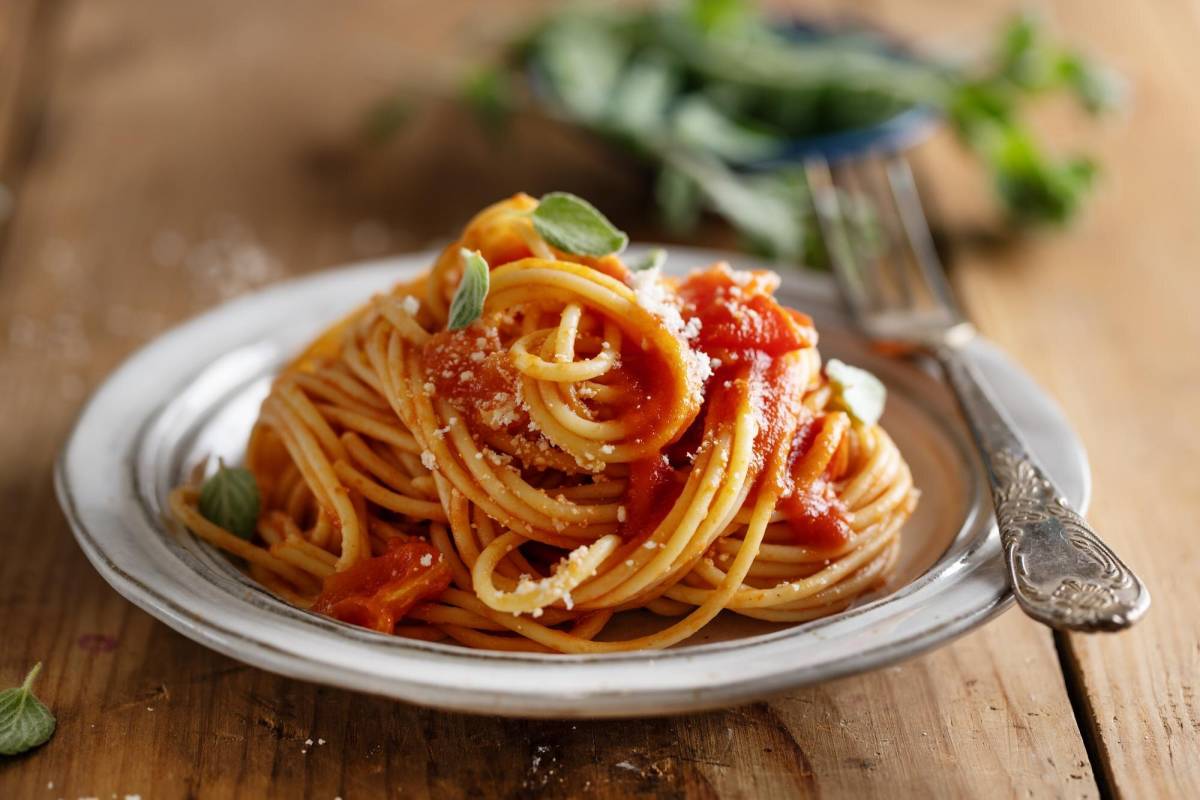
Spaghetti al Dente, as eaten in Italy
-
Rule 1-10-100: Remember that this ratio is key for the spaghetti to have space to move in the water and cook evenly:
- For every 1 liter of water, add 10 g of salt and 100 g of dry pasta.
-
Boil the water: Place the water in a large, tall pot. It is important to use a wide pot so that the pasta does not stick together. Heat the water on the stove until it reaches a boiling point with large, constant bubbles.
-
Add salt: Once the water is boiling, add the salt. It is important that the salt dissolves well before adding the pasta.
-
Cooking the pasta:
- Add the spaghetti to the boiling water. Stir the pasta after 1 minute to prevent it from sticking and continue stirring every few minutes.
- Check the suggested cooking time on the package, and when it reaches the minimum time, taste the pasta. You should feel a slight resistance when biting without it being raw or overly soft.
- If the texture is just right, remove the spaghetti and drain it.
-
Reserve some cooking water: This step is key to giving better texture to the sauce, as the starchy water helps the sauce adhere better to the pasta.
-
Avoid certain common mistakes:
- Do not add oil to the cooking water, as it prevents sauces from sticking well to the pasta.
- Do not rinse the pasta once cooked, as the residual starch helps sauces integrate better with the spaghetti.
Extra tips
- If you have leftovers, you can store them:
- In the refrigerator: Place the spaghetti in an airtight container, add a tablespoon of olive oil to prevent sticking, and consume within 3 to 5 days.
- In the freezer: Use a resealable bag and add a tablespoon of olive oil. Remove the air, seal, and freeze for up to 3 months.
Brief history of spaghetti
The origin of spaghetti is a topic of debate. Some believe it originated in Italy, while others argue that Marco Polo brought it from China. In Italy, pasta was made with durum wheat in long strips, similar to modern spaghetti. Its mass production began in the 19th century, and the name "spaghetti" comes from the Italian word spago, which means "string."
A perfect spaghetti: al dente
Now that you know how to prepare it and some interesting facts, you can surprise your diners with a plate of spaghetti al dente, following the tricks and recommendations to achieve the ideal texture.