The invisible change that living with animals brings to the elderly
Coexisting with animals improves intestinal health in older adults and reduces the effects of isolation, according to scientists from Italy and Russia.
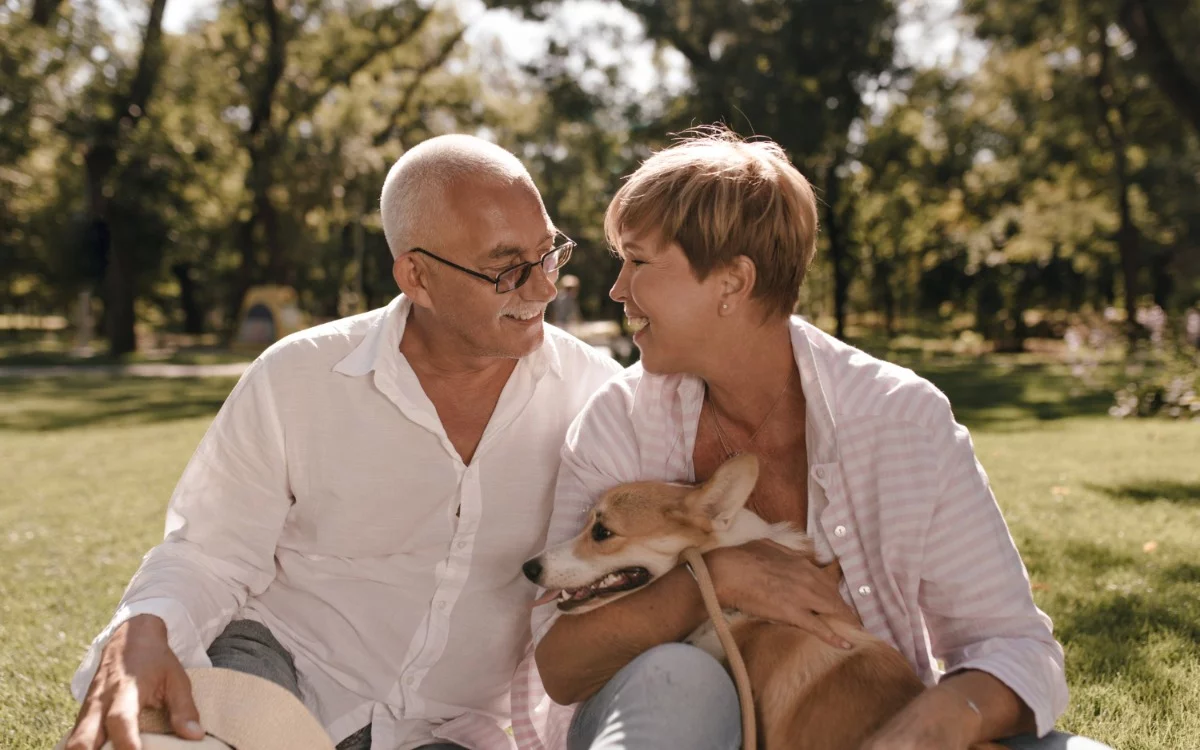
The cohabitation with animals is gaining attention in the scientific field for its positive effects beyond emotional well-being. A recent study conducted by teams from Italy and Russia revealed that older adults who share their lives with dogs or cats have a more diverse, balanced, and healthy gut microbiota.
This finding, published in the journal Aging Research Reviews, demonstrates that daily interaction with pets could protect the gut health of older adults. The study was led by researchers from the University of Ferrara, the University of Parma, the Institute of Neuroscience of the National Research Council (Italy), the Institute of Biogerontology, and the Artificial Intelligence Center of Lobachevsky University (Russia).
What motivated the study
The scientists started with a key question: can social isolation modify the bacterial composition of the gut? Based on this hypothesis, they gathered scientific evidence on what they termed “social microbiome,” that is, how the human environment and emotional bonds can alter the ecosystem of bacteria living within the gut.
The researchers reviewed previous studies conducted in different countries involving older adults in isolation, homes with pets, hospitalized patients, athletes, and children born during the pandemic.
The review confirmed that both objective isolation and perceived isolation have a direct negative impact on bacterial diversity. In contrast, constant contact with people or animals has a protective effect that improves the quality of the gut microbiome.
The gut, a reflection of our bonds
The results showed that cohabitation with animals promotes the emergence of beneficial bacteria in the gut. Specifically, older adults living with pets had a more diverse and balanced microbiome than those living alone or with little social contact.
According to the study, constant interaction with animals allows for greater exposure to microorganisms from the environment. This bacterial variety enriches the intestinal ecosystem and stimulates a more efficient immune response.
It was also highlighted that:
- Beneficial bacteria help strengthen the intestinal barrier.
- Cohabitation with pets reduces chronic inflammation.
- It improves insulin sensitivity.
- It favors overall metabolism.
These bacteria do not appear by chance. They are directly associated with lifestyle and, in this case, with the quality of emotional bonds.
What happens when there is isolation
Social isolation was identified as a risk factor for gut health. People who live alone, or who experience perceived loneliness, tend to have a less varied microbiota. This loss of diversity is related to increased inflammation, weakened immune system, and risk of metabolic diseases.
In older adults, this situation is particularly delicate. Aging already implies a natural reduction in bacterial variety. If isolation is added to this, the deterioration of the microbiome can accelerate significantly.
The study shows that isolation not only affects mood but also the deeper biological balance of the body.
How daily cohabitation with pets impacts
Constant contact with pets, especially dogs and cats, generates benefits beyond the emotional plane. Petting the animal, sharing spaces, feeding it, or walking with it are actions that promote interaction with environmental microorganisms.
This exchange stimulates the immune system and favors the growth of healthy bacteria in the gut. Additionally, having a pet creates daily routines, encourages light physical activity, and improves mood, factors that also positively influence intestinal function.
The researchers noted that:
“Cohabitation with a dog was associated with a greater abundance in the gut microbiota of bacteria known for their properties of maintaining gastrointestinal barrier function, suppressing the inflammatory response, and promoting insulin sensitivity.”
Human bonds also matter
In addition to cohabitation with animals, the study examined how social relationships in general influence health. It was observed that people with an active social life—whether with family, friends, or participation in community activities—had a healthier gut microbiota.
The evidence suggests that humans share bacteria with those they live with. Couples, family groups, and even caregivers share similar microorganisms. This constant transfer helps maintain a diverse intestinal ecosystem.
It is concluded that the gut also reflects the quality and frequency of our human relationships. It is not just about avoiding loneliness, but about having real, physical, and emotional contact with other people.
Key findings of the study
Among the most notable findings of the scientific review are:
- Older adults who live with animals have a more balanced microbiome.
- Isolation, both physical and emotional, reduces bacterial diversity.
- The human-animal bond stimulates intestinal immunity.
- A microbiota rich in healthy species protects against inflammatory diseases.
- Frequent social contact can act as a natural modulator of gut health.
These conclusions open new perspectives in the comprehensive care of health in older age, especially in contexts where loneliness becomes an increasing risk factor.
What can be done with this information
The researchers propose that health systems include social support strategies as part of preventive care for older adults. They also suggest encouraging cohabitation with animals, as long as the conditions of physical, mental, and housing health allow it.
Some concrete recommendations include:
- Encouraging group activities in day centers.
- Promoting responsible pet adoption.
- Facilitating frequent family or community visits.
- Incorporating animal-assisted therapy programs.
- Evaluating perceived isolation as a clinical indicator.
These actions could strengthen the intestinal and overall health of older adults, reducing the risk of diseases and improving quality of life.
Beyond the gut: integral well-being
Cohabitation with animals is confirmed as a powerful tool in promoting well-being in older adults. Its impact is not limited to the emotional aspect. We now know that it also influences fundamental biological processes, such as the balance of the gut microbiome, immune response, and inflammation control.
Moreover, it strengthens the sense of purpose, structures the daily routine, and combats stress, key factors for healthy aging.
This integral approach reinforces the need to see the human being as an interconnected system, where emotional bonds, emotional health, and gut health are deeply related.
The science supports it: more company, more health
The message left by this research is clear: it is not just about what we eat or what medications we take, but also about who we live with, how we relate, and how much real contact we have with other living beings.
Cohabitation with animals, far from being a luxury or a sentimental choice, can become an effective strategy to preserve gut health and improve quality of life in old age.