Osteoarthritis and joint pain: the surprising anti-inflammatory and analgesic power of oregano
Chronic pain and inflammation make daily life difficult for those suffering from this disease, which has led to the search for complementary natural treatments that help alleviate their symptoms.
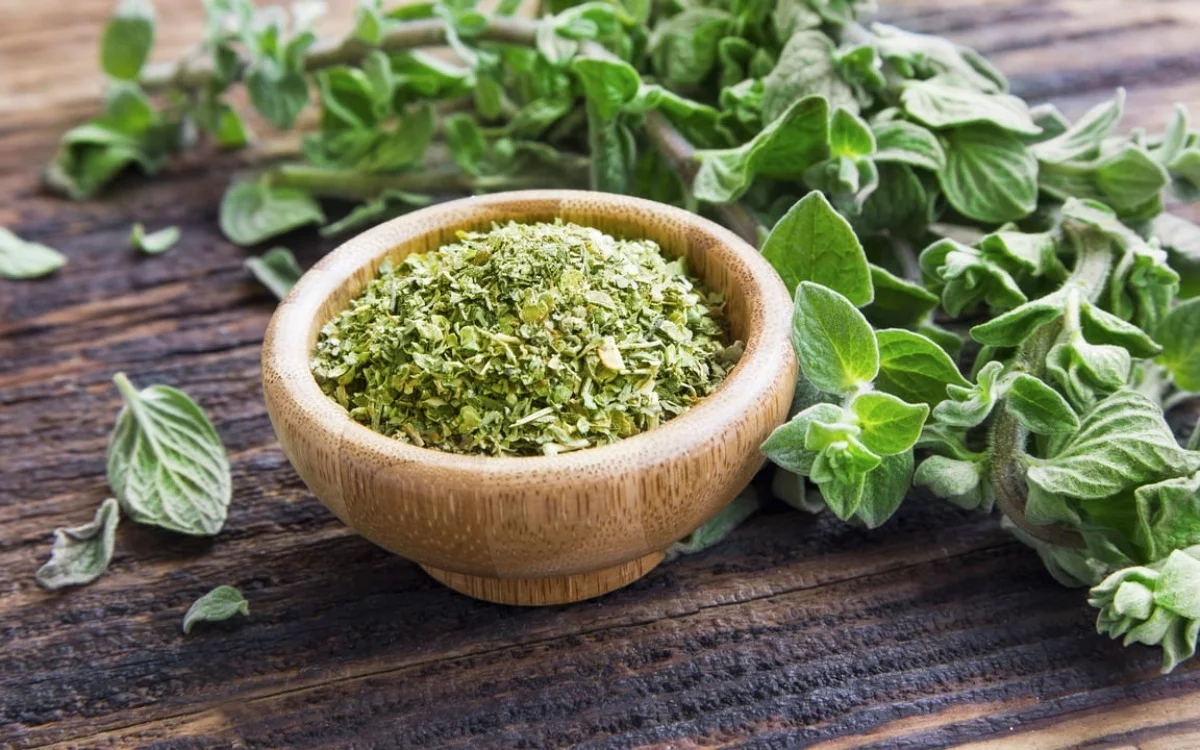
Osteoarthritis is one of the most common joint diseases worldwide, affecting millions of people, especially from the age of 40. Characterized by the wear and tear of cartilage in the joints, osteoarthritis causes pain, stiffness, and inflammation, negatively impacting the quality of life of those who suffer from it. In the face of this chronic condition, experts have identified an herb that, besides being a staple in the kitchen, has a powerful anti-inflammatory and analgesic effect: oregano.
What is osteoarthritis and how does it affect the joints?
Osteoarthritis is a degenerative disease that occurs when the cartilage, which acts as a cushion between the bones, begins to wear down, causing friction between the joints. This deterioration not only causes pain but also a loss of mobility, making everyday activities like walking or even moving the hands complicated and painful. While it is more common in people over 65, 29% of people under 40 can also suffer from this condition, especially those who engage in high-impact sports or perform repetitive activities with their joints.
The areas most affected by osteoarthritis are usually:
- Hands
- Knees
- Hips
- Spine
The key role of oregano in alleviating osteoarthritis symptoms
Although osteoarthritis has no cure, the good news is that there are multiple approaches to manage the pain and inflammation it causes. Among them, a natural solution has stood out for its effectiveness: oregano. Known worldwide as a culinary herb, oregano also possesses impressive medicinal properties, thanks to its main active component: carvacrol.
Carvacrol is a compound that gives oregano its remarkable therapeutic qualities. It is not only responsible for its characteristic aroma and flavor but also acts as a potent anti-inflammatory and analgesic, making it a natural ally for those suffering from joint pain. This compound helps reduce inflammation in the areas affected by osteoarthritis and can be useful in alleviating the pain that accompanies this disease.
How oregano promotes collagen production
In addition to its ability to reduce inflammation, oregano has been associated with improved production of collagen, an essential protein for joint health. Collagen is a fundamental substance for maintaining the structure and function of cartilage, and its deterioration is one of the main causes of pain and stiffness in people with osteoarthritis.
As we age, collagen production decreases, contributing to joint wear. However, some compounds present in oregano, such as antioxidants and carvacrol, may support collagen synthesis, helping to keep joints stronger and healthier. This can be key not only to reduce current symptoms of osteoarthritis but also to prevent further deterioration in the future.
Other therapeutic benefits of oregano
Oregano has been used since ancient times in traditional medicine, not only to treat joint problems but also as a remedy for various conditions. Its antibacterial property makes it an effective option for combating infections, while its antioxidant effect protects the body's cells from oxidative damage, which contributes to premature aging and the development of degenerative diseases such as osteoarthritis.
In addition to its anti-inflammatory capacity, oregano has been shown to have positive effects on digestive health, helping to reduce bloating and improve intestinal transit, making it a very versatile spice for both general well-being and the treatment of specific conditions.
How to incorporate oregano into the diet to combat osteoarthritis
Incorporating oregano into your daily diet is a simple and natural way to benefit from its medicinal properties. Here are some ways you can do it:
-
Oregano infusions: Boiling some oregano leaves in hot water and drinking the infusion several times a day can help reduce inflammation and improve overall joint health.
-
Oregano essential oil: Oregano essential oil is a concentrated version of the herb and can be used topically to massage painful joints. Dilute a few drops in a carrier oil (such as coconut or olive oil) and apply it directly to the affected areas.
-
Fresh or dried oregano in cooking: Adding oregano to your meals is a delicious way to obtain its benefits. Add it to salads, sauces, meats, and soups to enhance both flavor and therapeutic effect.
-
Oregano supplements: If you find it difficult to consume the herb in its natural form, oregano supplements are available in capsule or extract form. Consult a healthcare professional to determine the appropriate dosage for you.
The importance of a balanced diet in managing osteoarthritis
Oregano is just one of the many natural tools that can help combat osteoarthritis pain. Experts agree that a balanced diet is essential for managing this disease. Consuming foods rich in antioxidants, such as fresh fruits and vegetables, and healthy fats, such as those from fish, can help reduce inflammation in the body and protect the joints from wear.
Additionally, it is advisable to avoid ultra-processed foods, excess sugars, and trans fats, as these can increase inflammation and worsen osteoarthritis symptoms. Consuming collagen, through supplements or foods rich in this protein, such as bone broth, can also be beneficial for maintaining joint health.
Other natural alternatives to relieve joint pain
In addition to oregano, there are other herbs and natural remedies that can be useful for relieving pain and inflammation in the joints. Among them are:
- Turmeric: Known for its active compound, curcumin, which has anti-inflammatory and antioxidant properties.
- Ginger: Another natural anti-inflammatory that can help reduce pain associated with osteoarthritis.
- White willow: Used as a natural analgesic due to its salicin content, a natural precursor to aspirin.